
License Reinstatement After Driving Without Insurance — Nevada
Free to compare
What Triggers License Suspension for Driving Without Insurance in Nevada
Nevada DMV suspends your license when you drive without insurance and either get caught during a traffic stop or fail to maintain continuous coverage on a registered vehicle. The suspension is automatic once DMV receives notice from law enforcement or your insurer reports a lapse. You do not get a grace period to fix it retroactively.
The suspension lasts 30 days from the date DMV issues the order. During that window, you cannot legally drive in Nevada. Your registration may also be suspended if the uninsured vehicle remains registered in your name. The only way to shorten the suspension is to meet reinstatement requirements immediately and pay the fee, but the 30-day clock runs regardless.
“The three-year SR-22 period starts the day you reinstate, not the day your suspension began.”

Find Coverage That Keeps You Legal in Nevada
Get My Nevada Car Insurance Quote$250
Nevada License Reinstatement Fee
This fee applies to every license suspension for driving without insurance, regardless of how long the lapse lasted. The fee is paid to DMV Central Services and Records in Carson City and does not include the cost of obtaining SR-22 insurance.
Nevada DMV reinstatement fee schedule (NRS 482.557/485.317)
The SR-22 Filing Requirement Most Drivers Miss
Nevada requires SR-22 filing for three years after you reinstate your license following an uninsured-driving suspension. The SR-22 is not insurance itself: it is a certificate your insurer files with DMV proving you carry at least Nevada's minimum liability coverage of $25,000 per person, $50,000 per accident for bodily injury, and $20,000 for property damage.
The three-year SR-22 period starts the day you reinstate, not the day your suspension began. If you wait six months to reinstate, you still owe three full years of SR-22 from that reinstatement date. Most drivers assume the clock runs from the violation date and cancel SR-22 early, triggering a new suspension.
Your insurer files the SR-22 electronically with Nevada DMV. If you cancel your policy, switch carriers without transferring SR-22, or let coverage lapse for any reason during the three-year period, your insurer notifies DMV within 24 hours and DMV suspends your license again immediately. You then owe another $250 reinstatement fee and restart the three-year SR-22 clock.
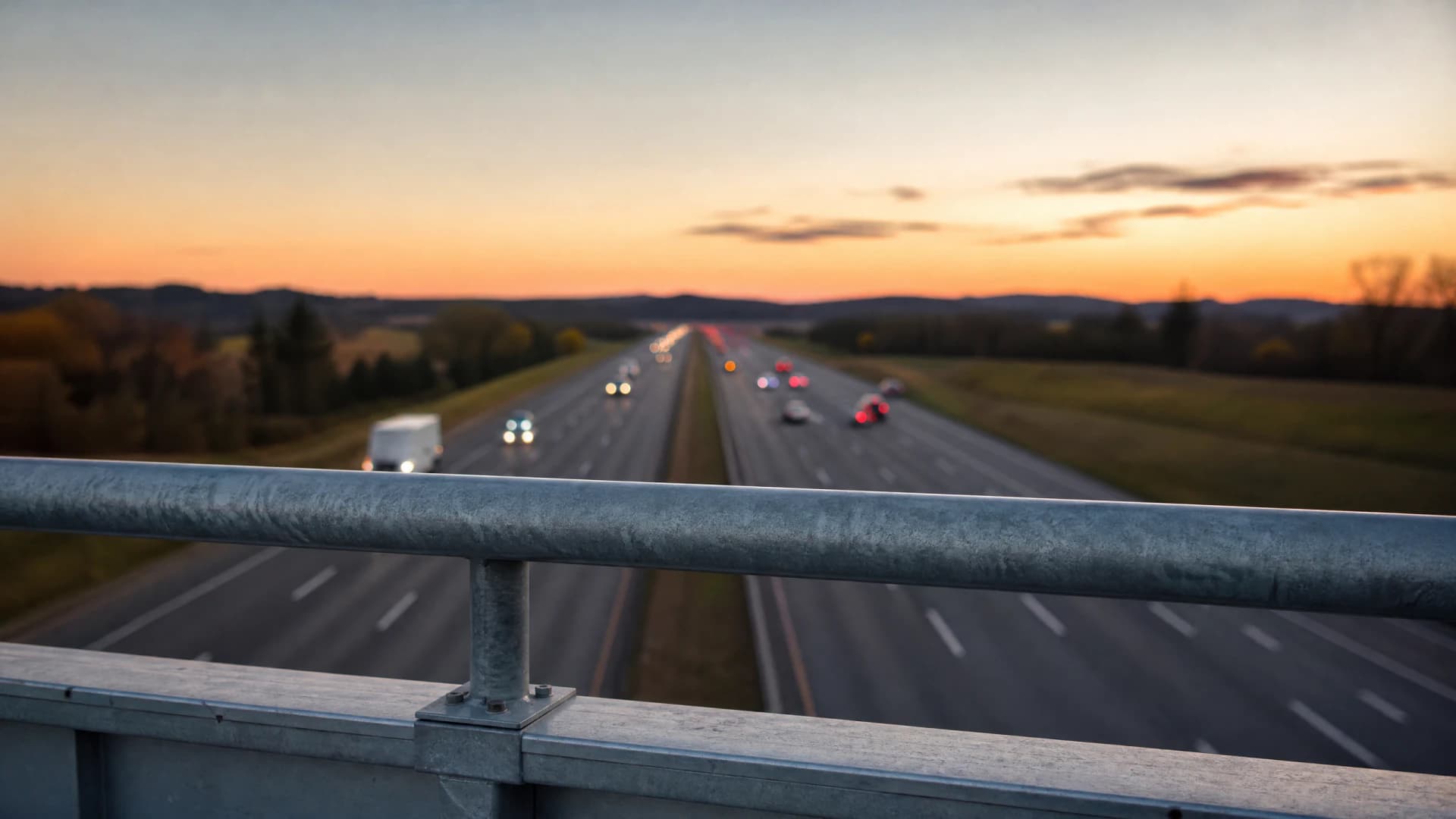
The SR-22 filing period resets to three full years every time you reinstate after a lapse. Canceling coverage early is the most common reason drivers face multiple suspensions.






What Happens If You Drive During the Suspension
Driving on a suspended license in Nevada is a misdemeanor. If you are caught, you face additional fines, possible jail time, and an extended suspension period. The court may also impound your vehicle. Each subsequent offense within seven years increases the penalty.
Law enforcement can verify your license status during any traffic stop. Nevada shares suspension data with neighboring states through the Driver License Compact, so driving in California, Arizona, or Utah on a Nevada-suspended license carries the same penalties. The suspension follows you across state lines.
If you need to drive for work, medical appointments, or other essential purposes during the suspension, Nevada does not offer a restricted or hardship license for uninsured-driving suspensions. The 24/7 Restricted License program under NRS 484C.392 applies only to DUI offenses, not insurance lapses. You must wait out the full 30 days or arrange alternative transportation.
11.1%
Nevada Uninsured Motorist Rate
More than one in ten Nevada drivers operate without insurance, the sixth-highest rate in the country. This rate drives up premiums for insured drivers because uninsured-motorist coverage compensates you when an uninsured driver causes a crash.
Insurance Research Council, 2023 uninsured motorist study

How SR-22 Insurance Affects Your Premium
SR-22 filing itself does not raise your premium. The suspension and the underlying uninsured-driving violation do. Carriers price policies based on your driving record, and a suspension for driving without insurance signals higher risk. Expect your premium to increase when you reinstate, regardless of which carrier you choose.
The amount of the increase depends on your carrier, your prior coverage history, and how long you drove uninsured. Drivers who maintained coverage for years before a brief lapse typically see smaller increases than drivers with no prior insurance history. Shopping multiple carriers is critical because some specialize in high-risk drivers and others do not write SR-22 policies at all.
Maintaining Continuous Coverage for Three Years
The three-year SR-22 requirement means you must keep an active auto insurance policy without any lapse for 1,095 consecutive days. If you sell your car, you still need coverage. Switch to a non-owner SR-22 policy, which provides liability coverage when you drive a vehicle you do not own. Non-owner policies cost less than standard policies because they cover only liability, not collision or comprehensive damage to a vehicle.
If you move out of Nevada during the SR-22 period, contact your insurer immediately. Some states do not require SR-22, but Nevada's requirement follows you until the three-year period ends. Your insurer can transfer the SR-22 filing to your new state if that state accepts it, or you may need to maintain a Nevada policy until the period expires. Letting the SR-22 lapse because you moved triggers a suspension in Nevada, which can affect your license in your new state through interstate compacts.
Set a calendar reminder for the exact date your three-year SR-22 period ends. On that date, contact your insurer and confirm they have notified Nevada DMV that the SR-22 requirement is fulfilled. Do not cancel your policy before receiving written confirmation from DMV that the SR-22 obligation is complete. Canceling one day early restarts the clock.
How to Reinstate Your License After the 30-Day Suspension
First, purchase an auto insurance policy from a carrier licensed to write SR-22 in Nevada. The carrier must file the SR-22 certificate electronically with DMV on your behalf. You cannot file it yourself. Carriers that write SR-22 in Nevada include Geico, Progressive, State Farm, Farmers, Mercury General, National General, The General, Bristol West, Dairyland, Infinity, Kemper, and USAA. Not every carrier writes SR-22 for every driver, so compare quotes from multiple carriers that serve drivers with suspensions.
Once your insurer files the SR-22, wait for DMV to process it. Processing typically takes one to three business days. After the 30-day suspension period ends and DMV confirms SR-22 filing, submit the $250 reinstatement fee to DMV Central Services and Records in Carson City. You can pay online, by mail, or in person at a DMV office. DMV will not reinstate your license until both the suspension period has elapsed and the fee is paid in full.
Get Your Free Quote
Get My Nevada Car Insurance QuoteFrequently Asked Questions
Can I get a hardship license in Nevada while my license is suspended for driving without insurance?
No. Nevada's 24/7 Restricted License program applies only to DUI offenses, not insurance-related suspensions. You must wait out the full 30-day suspension period or arrange alternative transportation.
How long does Nevada require SR-22 filing after a suspension for driving without insurance?
Nevada requires SR-22 filing for three years from the date you reinstate your license, not from the date of the violation. If you let SR-22 coverage lapse during that period, the three-year clock resets when you reinstate again.
What is the reinstatement fee for a license suspended for driving without insurance in Nevada?
$250, paid to Nevada DMV Central Services and Records. This fee is separate from the cost of obtaining SR-22 insurance and must be paid after the 30-day suspension period ends and DMV confirms your SR-22 filing.
Do I need SR-22 insurance if I do not own a car after my Nevada license suspension?
Yes. If you plan to drive any vehicle during the three-year SR-22 period, you need a non-owner SR-22 policy. This policy provides liability coverage when you drive a car you do not own and satisfies Nevada's SR-22 requirement.
What happens if I move out of Nevada during my SR-22 filing period?
Nevada's three-year SR-22 requirement follows you. Contact your insurer to transfer the SR-22 filing to your new state if it accepts Nevada SR-22, or maintain a Nevada policy until the period ends. Letting SR-22 lapse triggers a new suspension in Nevada.
Can I reinstate my Nevada license before the 30-day suspension period ends?
No. The 30-day suspension is a fixed period. You can prepare by obtaining SR-22 insurance during the suspension, but DMV will not process reinstatement until the full 30 days have elapsed and you pay the $250 fee.
Which insurance carriers in Nevada write SR-22 policies?
Geico, Progressive, State Farm, Farmers, Mercury General, National General, The General, Bristol West, Dairyland, Infinity, Kemper, and USAA all write SR-22 in Nevada. Not every carrier writes SR-22 for every driver, so compare quotes from multiple carriers.