
Proof of Insurance — Nevada
Free to compare
What Nevada Accepts as Proof
Nevada law accepts both electronic and paper proof of insurance at traffic stops. NRS 485.317 allows you to show a digital insurance card on your phone, a printed card, or any document from your carrier that displays your policy number, coverage dates, and vehicle identification. The officer cannot cite you for no insurance if you produce any of these formats.
The confusion starts when you insure multiple vehicles on one policy. Your carrier issues one card per vehicle, and each card lists only that vehicle's VIN. If you're driving your second car but hand the officer the card for your first car, the VIN mismatch can trigger a citation even though both vehicles sit on the same active policy. The card must match the vehicle you're driving.
“The card must match the vehicle — a valid policy covering the wrong VIN does not satisfy Nevada's proof requirement.”

Find Coverage That Keeps You Legal in Nevada
Get My Nevada Car Insurance Quote$25,000 / $50,000 / $20,000
Nevada Minimum Liability
Nevada requires $25,000 bodily injury per person, $50,000 per accident, and $20,000 property damage. Every vehicle on your policy must meet these minimums, and proof of insurance must show coverage at or above these thresholds.
NRS 485.185
Why Multi-Vehicle Households Get Cited
When you add a second or third vehicle to your policy, your carrier generates a separate insurance card for each VIN. Most drivers store all the cards in their phone's wallet app or print the set and keep them in the glove box. The problem: you grab the wrong card.
An officer who runs your plate sees the vehicle you're driving. When the insurance card you hand over lists a different VIN, the system flags a mismatch. The officer cannot verify coverage for the vehicle in front of them, and Nevada law requires proof for the specific vehicle being driven. You have insurance — you just showed proof for the wrong car.
This happens most often in households where one driver uses multiple vehicles interchangeably. You drove the sedan yesterday, the SUV today, and the insurance card you pulled up on your phone is still set to yesterday's vehicle. The citation reads 'failure to provide proof of insurance,' and you're left explaining to the court that both vehicles are insured under the same policy number.
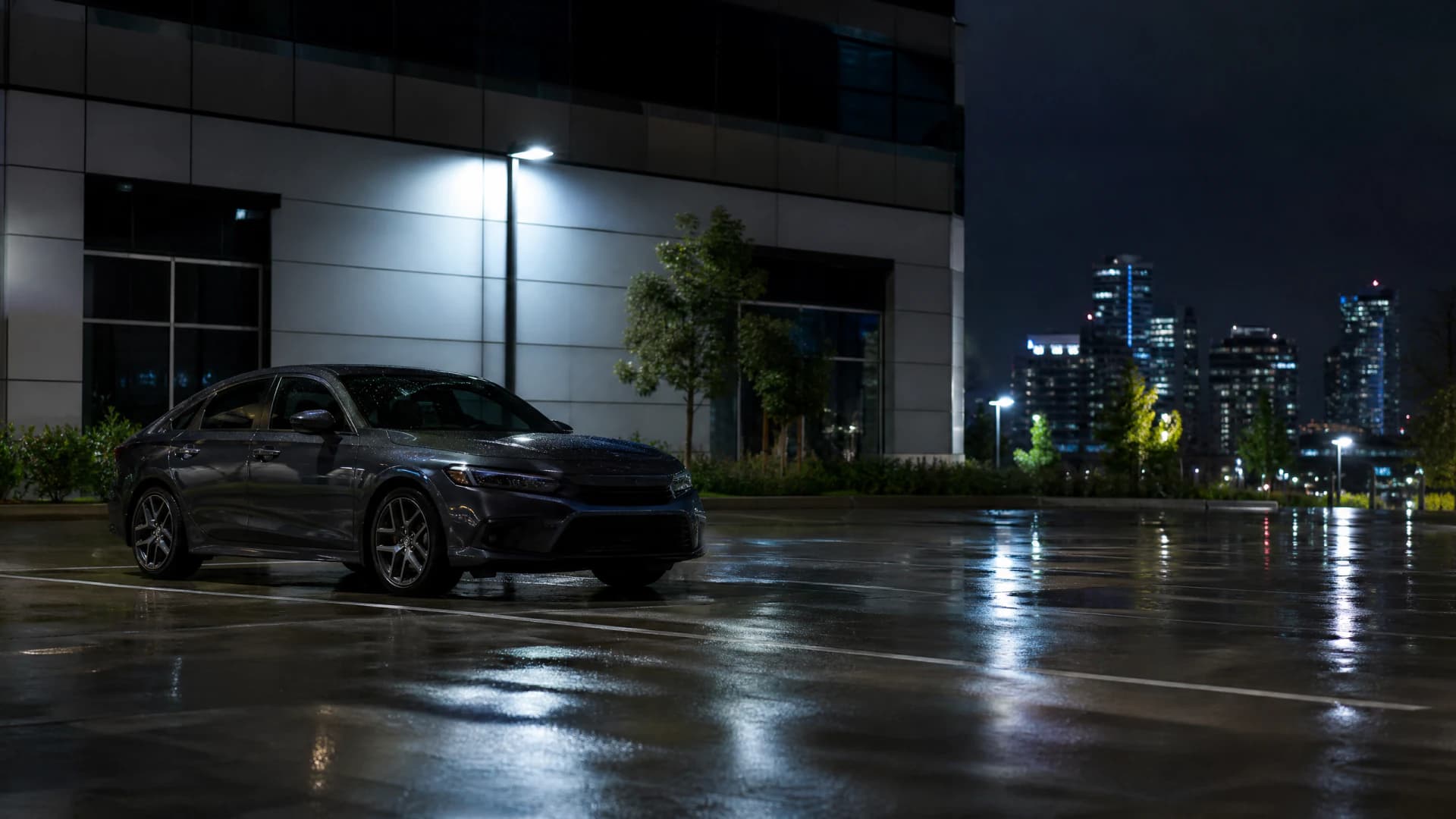
The card must match the vehicle. A valid policy covering the wrong VIN does not satisfy Nevada's proof requirement at a traffic stop.




How to Organize Proof for Multiple Vehicles
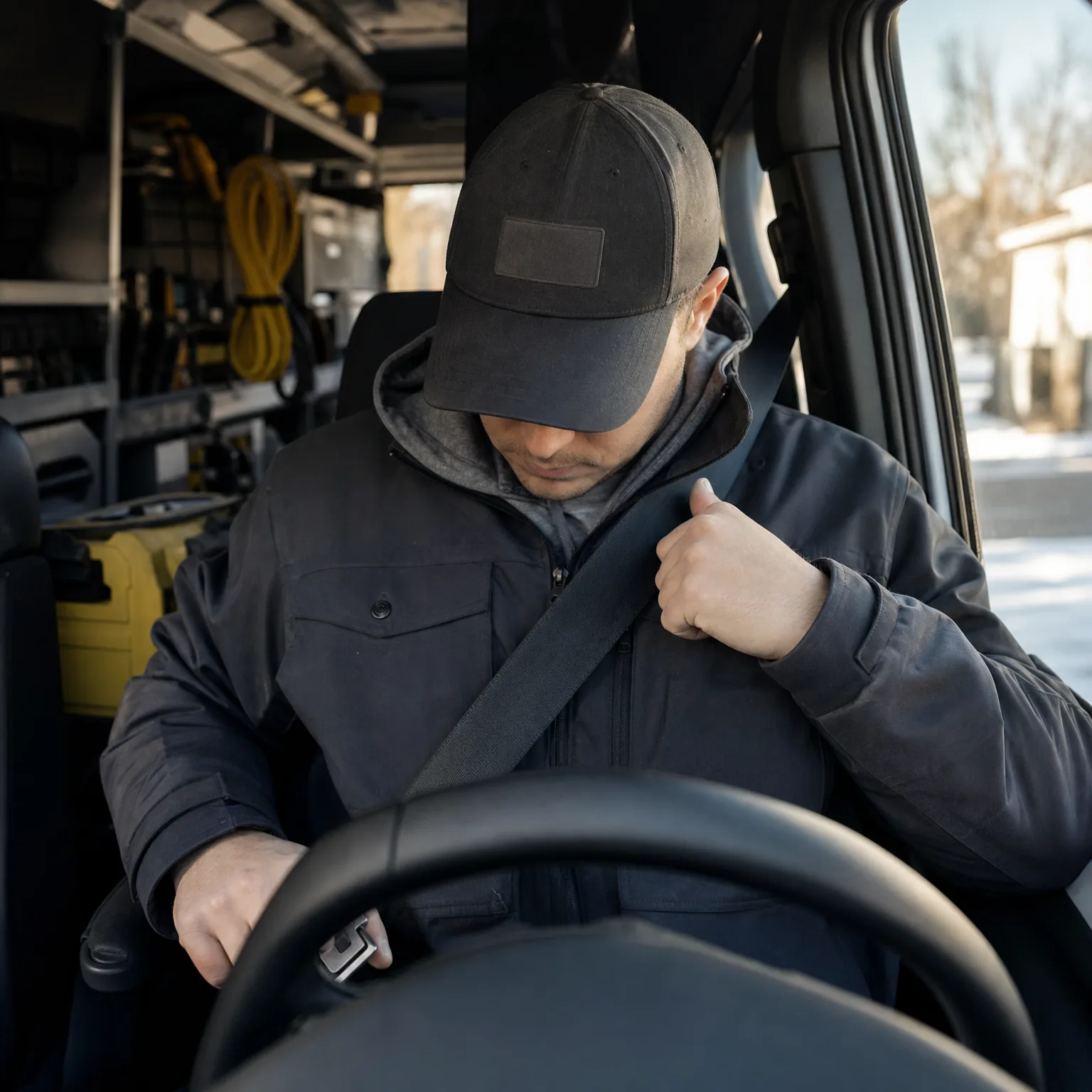
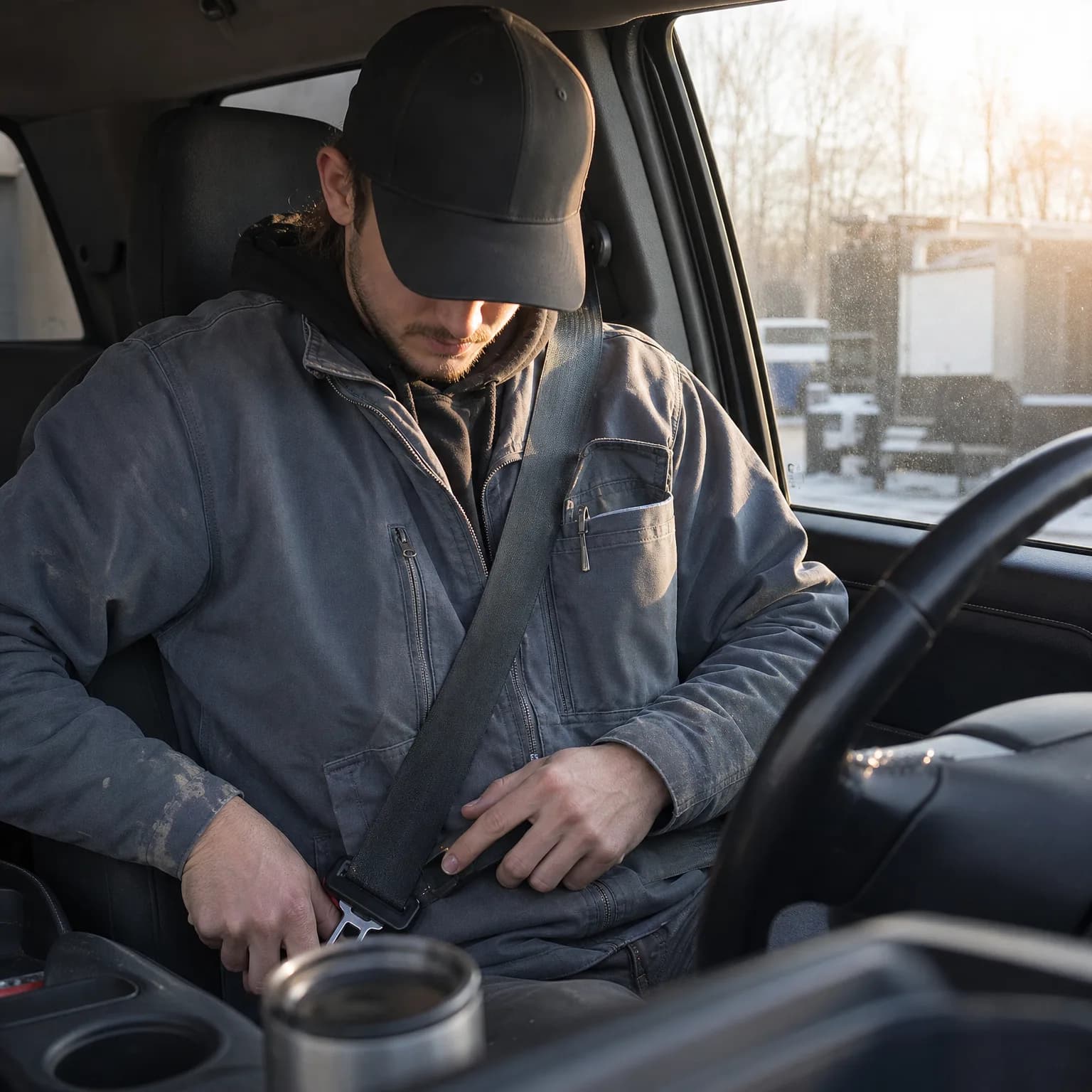
Store one insurance card per vehicle in the vehicle itself. Print the card your carrier issued for that specific VIN and keep it in the glove box or center console. If you use digital cards, create a separate wallet entry for each vehicle and label it clearly: 'Honda Accord,' 'Toyota Highlander,' 'Ford F-150.' When an officer asks for proof, you pull the card that matches the vehicle you're sitting in.
When you add a vehicle to your policy, request the new card immediately. Most carriers email the updated card within minutes of adding the vehicle, but some mail the printed version and take 7-10 business days. If you plan to drive the new vehicle before the card arrives, download the digital version and save it to your phone with a label that identifies the vehicle. Do not drive the new vehicle with the old vehicle's card — the VIN mismatch will trigger a citation.
If you share vehicles across household members, every driver needs access to every card. The easiest method: each driver saves all vehicle cards to their phone's wallet app, labeled by vehicle. The alternative is to print the full set and store one copy in each vehicle, but that creates a maintenance problem when you add or remove a vehicle mid-term. Digital cards update automatically when your carrier issues a new one; paper cards do not.
11.1%
Nevada Uninsured Motorist Rate
One in nine Nevada drivers operates without insurance. When you're cited for failure to provide proof, the court assumes you're part of that 11.1% until you prove otherwise — even if the citation resulted from showing the wrong card.
Insurance Research Council, 2023
What Happens When You Show the Wrong Card
The officer issues a citation for driving without proof of insurance, typically under NRS 485.187. You have insurance, but you could not prove it for the vehicle you were driving at the moment the officer asked. The citation does not mean your policy is invalid — it means you failed the procedural requirement.
You can resolve the citation by appearing in court with proof that the vehicle was insured on the date of the stop. Bring the correct insurance card (the one listing the VIN of the vehicle you were driving), a declarations page from your carrier showing all vehicles on the policy, and a letter from your carrier confirming continuous coverage. Most judges dismiss the citation once you prove coverage existed. Some courts charge a dismissal fee; others do not. The citation does not add points to your driving record if dismissed, but it does if you ignore it.
Compare Carriers That Simplify Multi-Vehicle Proof
When you insure multiple vehicles, choose a carrier that makes proof easy to manage. Some carriers issue a single master card listing all vehicles on the policy; others generate one card per vehicle but let you access the full set through their mobile app with one tap. A few still mail separate cards and require you to track them manually. The policy price matters, but so does the proof system — especially if household members share vehicles and need instant access to the correct card.
Nevada accepts proof from any licensed carrier writing in the state. Compare Nevada carriers that write multi-vehicle policies and check whether their app supports labeled digital cards for each vehicle. The right system prevents the VIN-mismatch citation before it happens.
Digital Proof Works at Traffic Stops Only
When you register a vehicle, renew registration, or reinstate a suspended license at a Nevada DMV office, the clerk will not accept a photo of your insurance card or a screenshot. DMV requires either the original printed card issued by your carrier or a carrier-certified electronic document that the clerk can verify in real time through the state's electronic verification system. Most carriers participate in Nevada LIVE, the state's automated insurance verification database, but not all policies sync immediately.
If you insure multiple vehicles and recently added one mid-term, that vehicle may not appear in Nevada LIVE for several business days. You'll need the paper card for the new vehicle to complete registration. The DMV clerk cannot process the transaction without proof that matches the VIN being registered, and 'it's on the same policy as my other car' does not override the system requirement.
Get Your Free Quote
Get My Nevada Car Insurance QuoteFrequently Asked Questions
Does Nevada accept a photo of my insurance card?
Yes, at traffic stops. Nevada law allows electronic proof, including a photo or screenshot of your insurance card, when an officer requests it during a traffic stop. DMV transactions require the original printed card or a carrier-certified electronic document.
Can I show one insurance card for all my vehicles?
No. Each vehicle on your policy has its own card listing that vehicle's VIN. The card you show must match the vehicle you're driving. A card for a different vehicle on the same policy does not satisfy the proof requirement.
What happens if I get cited for no proof but I have insurance?
You can resolve the citation in court by proving the vehicle was insured on the date of the stop. Bring the correct insurance card, a declarations page showing all vehicles on your policy, and a letter from your carrier confirming coverage. Most judges dismiss the citation once you prove coverage existed.
How do I organize insurance cards for multiple vehicles?
Store one card per vehicle in that vehicle, either printed in the glove box or saved digitally in your phone's wallet app with a clear label. When you add a vehicle, request the new card immediately and save it with the others.
Does Nevada verify insurance electronically?
Yes, through Nevada LIVE, the state's automated insurance verification system. Most carriers participate, but newly added vehicles may take several business days to sync. DMV clerks rely on this system for registration transactions, so bring the paper card if your vehicle was added recently.