
Insurance Lapse on a Registered Car — Nevada
Free to compare
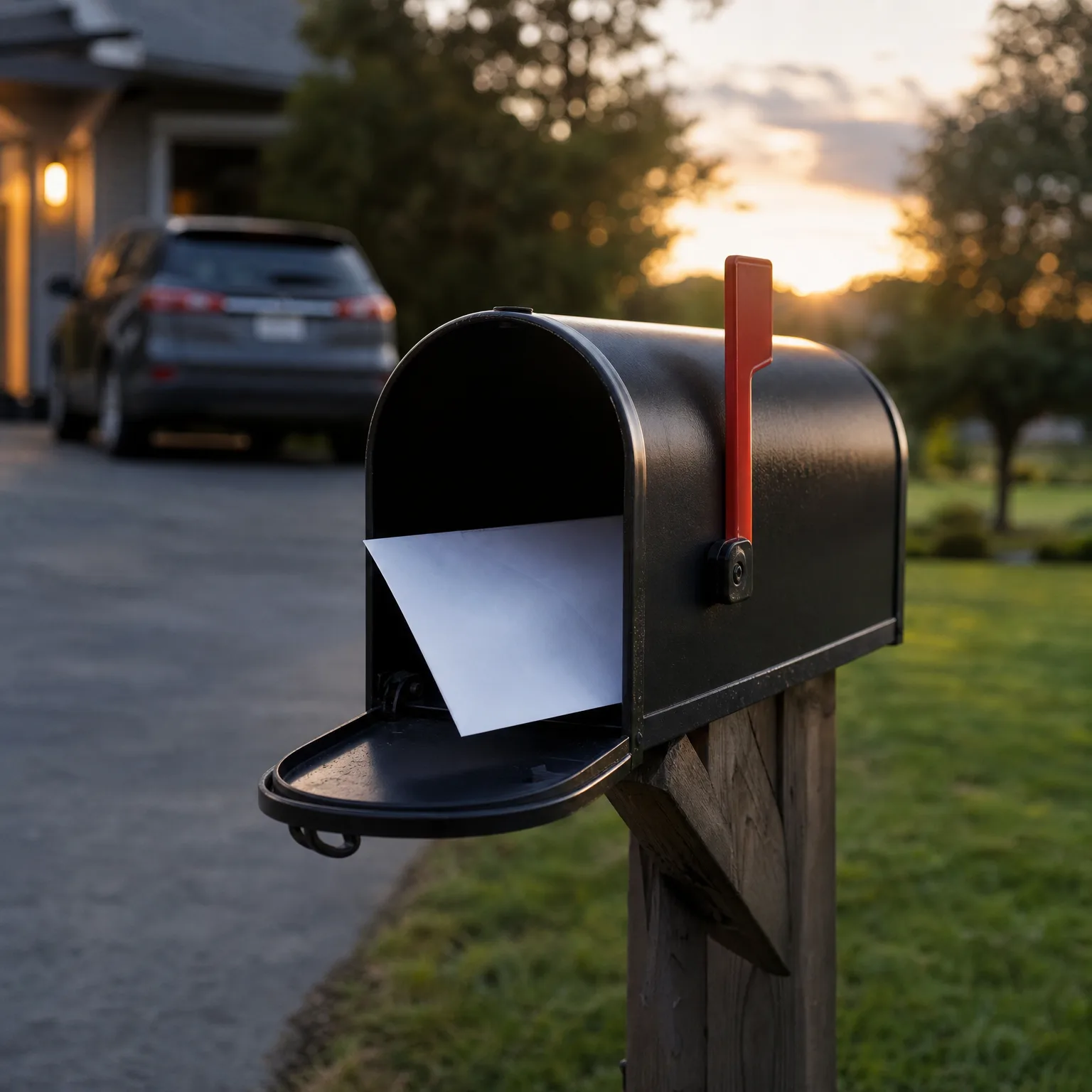
The Lapse Notice Arrives After the Car Sat Parked
You let insurance lapse on a car that stayed registered in Nevada. The car sat parked, you didn't drive it, and you assumed no harm done. Then the DMV notice arrived: your license is suspended for 30 days, you owe a $250 reinstatement fee, and you must file SR-22 for three years. Nevada treats a lapse on any registered vehicle as uninsured driving whether the car moved or not.
The state's automated system flags the lapse when your carrier reports the cancellation to Nevada DMV Central Services and Records. Registration and insurance must run in parallel under NRS 485.317. A registered car without active coverage triggers the same penalty as driving uninsured: suspension, reinstatement fee, and mandatory SR-22 filing for three years from the date you restore compliance.
“Nevada suspends your license after a lapse on any registered vehicle, whether you drove it or not.”

Find Coverage That Keeps You Legal in Nevada
Get My Nevada Car Insurance Quote30 days
Nevada License Suspension
Nevada suspends your license for 30 days after an insurance lapse on a registered vehicle, regardless of whether you drove the car. The suspension begins when the DMV processes the carrier's lapse report.
NRS 485.317
Why Registration Without Insurance Triggers the Penalty
Nevada law requires continuous liability coverage on every registered vehicle. The state does not distinguish between a car you drive daily and a car that sits in your driveway. If the vehicle carries an active Nevada registration, it must carry active liability insurance meeting the state's minimum limits: $25,000 bodily injury per person, $50,000 bodily injury per accident, and $20,000 property damage.
When your carrier cancels your policy for non-payment or at your request, they report the cancellation electronically to the DMV. The DMV cross-references the cancellation against your active registration. If the registration remains valid and no replacement coverage appears within a short grace window, the system generates a suspension notice. The notice typically arrives 10 to 20 days after the lapse date.
Many drivers assume that parking the car or removing it from the road eliminates the insurance requirement. It does not. The only way to avoid the penalty is to surrender the registration before the lapse occurs or to maintain continuous coverage. Once the lapse is flagged, the suspension process is automatic.

Nevada's system does not pause for explanations. A lapse on a registered vehicle triggers suspension, reinstatement fees, and SR-22 filing even when the car never left the driveway.





The Reinstatement Process and SR-22 Filing Requirement
Reinstatement requires three steps in sequence. First, obtain a new liability policy on the lapsed vehicle or surrender the registration if you no longer want to keep the car registered. Second, file an SR-22 certificate with the DMV. The SR-22 is a state-mandated proof-of-insurance filing that your carrier submits electronically to the DMV. Not every carrier offers SR-22 filing. Carriers that write SR-22 in Nevada include Geico, Progressive, State Farm, Farmers, Bristol West, Dairyland, Infinity, Kemper, Mercury General, National General, The General, and USAA. If your current carrier does not file SR-22, you must switch carriers before you can reinstate.
Third, pay the $250 reinstatement fee to Nevada DMV Central Services and Records. The fee is non-refundable and applies per suspension event, not per vehicle. You can pay online through Nevada DMV's portal, by mail, or in person at a DMV office. The DMV processes reinstatement within two to five business days after receiving the SR-22 filing and the fee payment. You receive a reinstatement confirmation by mail.
The SR-22 filing must remain active for three years from the reinstatement date. If your policy lapses or cancels during the three-year period, the carrier reports the lapse to the DMV and the suspension process starts again. The three-year clock does not reset unless you incur a new violation. Missing a single SR-22 payment triggers a new suspension, a new $250 fee, and extends the filing period.
$250
Nevada Reinstatement Fee
Nevada charges a $250 reinstatement fee after a suspension for uninsured driving, including lapses on registered vehicles. The fee is non-refundable and must be paid before the DMV restores your driving privilege.
NRS 482.557

How Multiple Vehicles Complicate the Lapse
Households insuring two or more vehicles face a specific risk: a lapse on one car can suspend your license even when your other vehicles remain insured. Nevada's system tracks each vehicle's coverage independently. If you drop coverage on one car to save money, park a second vehicle and cancel its policy, or let a policy lapse on a car you planned to sell, the DMV flags the lapse on that specific registration. Your license suspends regardless of how many other cars in your household carry active coverage.
The reinstatement process requires you to either insure the lapsed vehicle or surrender its registration. You cannot reinstate by pointing to coverage on your other cars. If the lapsed vehicle no longer runs, you no longer own it, or you do not plan to drive it, surrendering the registration eliminates the reinstatement requirement for that vehicle. Surrender the plates and registration certificate at any Nevada DMV office or mail them to DMV Central Services and Records in Carson City. Once the DMV processes the surrender, the lapse penalty for that vehicle is cleared, but you must still pay the $250 reinstatement fee and file SR-22 if the suspension already took effect.
Compare SR-22 Carriers and Restore Coverage Now
The faster you act, the shorter the suspension period and the sooner you regain your driving privilege. Obtain quotes from carriers that file SR-22 in Nevada. Compare the cost of insuring the lapsed vehicle against surrendering its registration if you no longer need it on the road. Once you select a carrier and bind coverage, the carrier files the SR-22 electronically with the DMV, usually within 24 hours. Pay the $250 reinstatement fee immediately after the SR-22 filing to avoid delays. Track your reinstatement status through Nevada DMV's online portal or by calling Central Services and Records. Once reinstated, maintain continuous coverage on every registered vehicle in your household for the full three-year SR-22 period to avoid repeating this process.
What Happens After the DMV Flags the Lapse
The carrier reports the lapse to Nevada DMV Central Services and Records electronically, usually within 24 to 48 hours of the cancellation effective date. The DMV's automated system cross-checks the lapse against your active registration. If no replacement policy appears within the grace window, the system generates a suspension notice mailed to your address of record. The notice states the suspension effective date, the reinstatement requirements, and the SR-22 filing obligation. Most drivers receive the notice 10 to 20 days after the lapse date, but the suspension clock starts from the lapse date itself, not the notice date.
Once the suspension takes effect, you cannot legally drive any vehicle in Nevada until you complete reinstatement. Driving on a suspended license adds a separate misdemeanor charge, additional fines, and extends the SR-22 filing period. The suspension applies to your driving privilege, not just the lapsed vehicle. Even if you insure a different car in your household, your license remains suspended until you satisfy the reinstatement requirements for the lapsed vehicle.
Get Your Free Quote
Get My Nevada Car Insurance QuoteFrequently Asked Questions
Does Nevada suspend your license if insurance lapses on a parked car?
Yes. Nevada suspends your license for 30 days after an insurance lapse on any registered vehicle, regardless of whether you drove it. The state requires continuous coverage on every registered car. If the car stays registered and coverage lapses, the DMV treats it as uninsured driving and suspends your license.
How much does it cost to reinstate a Nevada license after an insurance lapse?
Nevada charges a $250 reinstatement fee after a suspension for uninsured driving. You must also obtain a new liability policy, file an SR-22 certificate, and maintain SR-22 for three years. The reinstatement fee is non-refundable and applies per suspension event.
Can you avoid the suspension by insuring a different car in your household?
No. Nevada tracks each vehicle's coverage independently. A lapse on one registered car suspends your license even when other vehicles in your household carry active insurance. You must either insure the lapsed vehicle or surrender its registration to clear the penalty.
How long does SR-22 filing last after an insurance lapse in Nevada?
Nevada requires SR-22 filing for three years after reinstatement. The three-year period starts from the date you restore your license, not the lapse date. If your policy lapses during the three-year period, the suspension process starts again and the filing period extends.
What happens if you drive on a suspended license in Nevada after a lapse?
Driving on a suspended license in Nevada is a misdemeanor. Conviction adds additional fines, possible jail time, and extends the SR-22 filing period. The suspension applies to your driving privilege statewide, not just the lapsed vehicle.
Which carriers file SR-22 in Nevada after an insurance lapse?
Carriers that file SR-22 in Nevada include Geico, Progressive, State Farm, Farmers, Bristol West, Dairyland, Infinity, Kemper, Mercury General, National General, The General, and USAA. Not every carrier offers SR-22 filing. If your current carrier does not file SR-22, you must switch to a carrier that does before you can reinstate.