
Best Car Insurance Companies — Nevada
Free to compare
Which Nevada Carriers Actually Write Multi-Car Policies
Nevada licenses 23 auto insurance carriers, but not all of them write policies for households with multiple vehicles on the same terms. Some carriers require every vehicle to share a garaging address. Others allow separate garaging locations within the same household. A few restrict the multi-car discount to vehicles titled to the same person, which blocks roommates or unmarried partners from combining cars on one policy. The structural rules vary by carrier, and most comparison tools do not surface these restrictions until you reach the quote stage.
The carriers writing in Nevada include national standard-tier companies (State Farm, Geico, Progressive, Allstate, Nationwide), non-standard specialists that serve higher-risk drivers (Bristol West, Dairyland, Infinity, The General), and regional or preferred-tier carriers (USAA for military-affiliated households, Mercury General, CSAA). Each tier applies different underwriting rules to multi-vehicle households. A household adding a second car to an existing policy will encounter different requirements depending on which carrier holds the first vehicle's coverage.
“A smaller discount on a lower base rate can beat a larger discount on a higher one.”

Find Coverage That Keeps You Legal in Nevada
Get My Nevada Car Insurance Quote$122/mo
Nevada Average Monthly Premium
Nevada drivers paid an average of $122 per month for auto insurance in 2023, according to NAIC data. That figure reflects single-vehicle policies; adding a second or third vehicle to the same policy typically lowers the per-vehicle cost through the multi-car discount, but the combined premium rises.
NAIC Auto Insurance Database Report 2023
How the Multi-Car Discount Works Across Nevada Carriers
The multi-car discount applies when you insure two or more vehicles on the same policy. The discount reduces the premium for each vehicle compared to insuring them on separate policies. The discount exists because bundling vehicles onto one policy reduces the carrier's administrative cost per vehicle and signals that the household is a stable, long-term customer. Most Nevada carriers require every vehicle to sit on the same policy to qualify. If one household member keeps a separate policy, that vehicle does not count toward the multi-car discount on your policy.
Carriers structure the discount differently. Some apply a percentage reduction to each vehicle's base premium. Others reduce the per-vehicle rate by a flat dollar amount. A few carriers reduce only the second and subsequent vehicles, leaving the first vehicle at its standard rate. The discount amount is not uniform across carriers, and it is not always the largest discount that produces the lowest combined premium. A smaller discount on a lower base rate can beat a larger discount on a higher one.
The same-policy requirement creates a structural blocker for households where vehicles are titled to different people or where one household member already has a separate policy. Most carriers allow you to list multiple drivers and multiple vehicles on one policy as long as all drivers live at the same address. But if a vehicle is titled to someone who does not live at your address, or if a household member insists on keeping their own policy, that vehicle will not qualify for your multi-car discount. You will pay separate premiums for each policy, and neither policy will reflect the multi-vehicle savings.
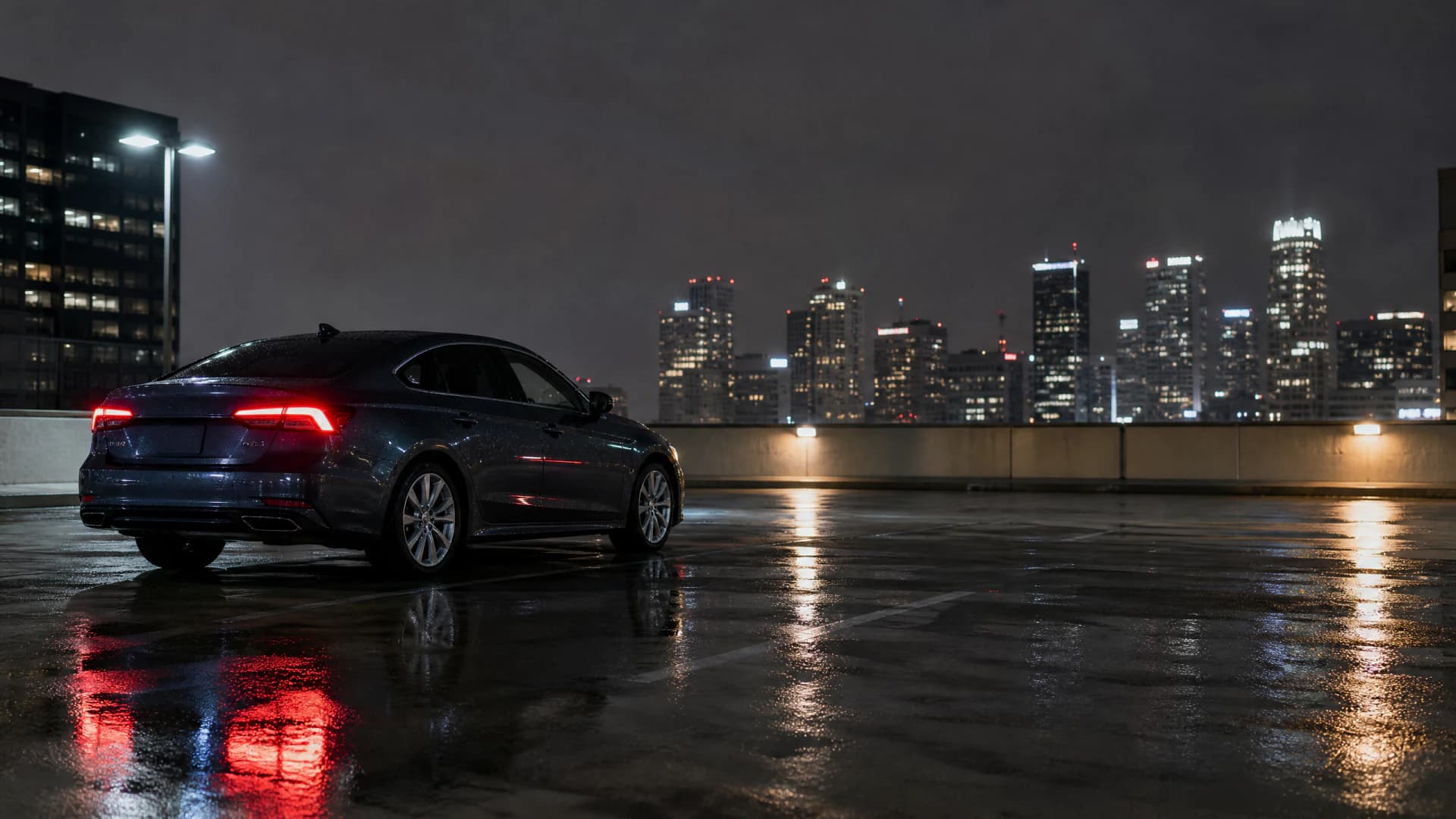
The multi-car discount requires every vehicle on the same policy. A vehicle on a separate policy does not count, even if the policyholder lives in your household.






Non-Standard Carriers for High-Risk Multi-Vehicle Households
If one or more drivers in your household has a DUI, a suspended license, or multiple at-fault accidents, standard-tier carriers may decline to write your multi-car policy or quote a premium higher than non-standard specialists. Non-standard carriers underwrite higher-risk drivers and often write multi-vehicle policies when standard carriers will not. Bristol West, Dairyland, Infinity, Kemper, National General, and The General all operate in Nevada and write multi-car policies for high-risk households.
Bristol West writes SR-22 filings, non-owner policies, and after-DUI coverage, and it allows you to add multiple vehicles to one policy even when one driver carries an SR-22. Dairyland and Infinity both specialize in SR-22 and non-owner policies and write multi-vehicle households where one or more drivers need a filing. The General writes multi-car policies for drivers with suspended licenses, DUIs, or multiple violations and offers online quoting. All four carriers allow you to add a vehicle mid-term, but adding a high-risk driver or a vehicle driven by a high-risk driver will re-rate the entire policy.
Non-standard carriers typically charge higher base premiums than standard-tier companies, but the multi-car discount still applies. A household with one high-risk driver and two vehicles may pay less with a non-standard carrier writing both cars on one policy than with a standard carrier writing one car and declining the other. Compare quotes from both tiers before deciding.
$25,000 / $50,000 / $20,000
Nevada Minimum Liability Limits
Nevada requires $25,000 bodily injury per person, $50,000 bodily injury per accident, and $20,000 property damage. Every vehicle on your multi-car policy must carry at least these limits.
Nevada Revised Statutes 485.185

Adding a Vehicle Mid-Term and How It Re-Rates Your Policy
When you buy a second or third car and add it to your existing policy mid-term, the carrier re-rates the entire policy from the date you add the vehicle. The new premium reflects the combined risk of all vehicles on the policy, not just the incremental cost of the new car. If the new vehicle is a higher-risk model, older, or driven by a younger or higher-risk driver, the re-rated premium may increase more than you expect. The multi-car discount applies to the re-rated policy, but it does not always offset the increased risk from the new vehicle.
Most Nevada carriers give you a grace period to report a newly purchased vehicle. The grace period ranges from 14 to 30 days depending on the carrier. During the grace period, the new vehicle is covered under your existing policy's liability and collision limits, but only if you report it within the window. If you do not report the vehicle within the grace period and you have an accident, the carrier may deny the claim. Adding the vehicle after the grace period but before an accident still triggers the re-rating, but it avoids the coverage gap.
Compare Nevada Carriers That Write Your Household Structure
Not every carrier writes every household structure. If you and a roommate want to combine two vehicles on one policy, some carriers will decline because you are not related or married. If one vehicle is garaged at a different address, some carriers will not apply the multi-car discount. If one driver in your household has a suspended license or an SR-22 requirement, some standard-tier carriers will not write the policy at all. The structural rules vary by carrier, and the only way to know which carriers will write your household is to request quotes from multiple companies and compare the policy structures they offer.
Start with carriers that operate in Nevada and write multi-vehicle policies: State Farm, Geico, Progressive, Allstate, Nationwide, USAA (if eligible), Mercury General, Bristol West, Dairyland, Infinity, and The General. Request quotes from at least three carriers in your tier. Provide accurate information about every driver and every vehicle in your household, including garaging addresses, vehicle titles, and driving records. The quotes you receive will show which carriers apply the multi-car discount to your household structure and which do not. Compare the combined premium for all vehicles, not the per-vehicle rate, because the discount structure varies by carrier.
Standard-Tier Carriers for Multi-Vehicle Households
State Farm, Geico, Progressive, Allstate, and Nationwide all write multi-vehicle policies in Nevada and allow you to add a second or third car online or by phone. State Farm and Allstate operate through local agents; Geico and Progressive offer direct online quoting. Nationwide offers both agent and direct channels. All five carriers apply the multi-car discount when you add a vehicle to an existing policy, and all five allow you to add a vehicle mid-term without waiting for renewal. Adding a vehicle mid-term re-rates the entire policy from the date you add the car, not just the new vehicle.
USAA writes multi-vehicle policies for military-affiliated households and consistently ranks among the lowest-cost carriers for that audience. USAA allows non-owner policies and writes SR-22 filings, which matters if one household member needs an SR-22 while another does not. Mercury General operates in Nevada and writes multi-car policies with competitive rates for drivers in urban counties. CSAA (AAA-affiliated) writes in Nevada and offers multi-car discounts, but you must be a AAA member to qualify for a quote.
Get Your Free Quote
Get My Nevada Car Insurance QuoteFrequently Asked Questions
Does every Nevada carrier offer a multi-car discount?
Most Nevada carriers offer a multi-car discount, but the discount amount and the requirements to qualify vary by carrier. Some carriers require every vehicle to share a garaging address. Others allow separate garaging locations within the same household. A few restrict the discount to vehicles titled to the same person.
Can I combine vehicles on one policy if they are titled to different people?
Most Nevada carriers allow you to combine vehicles titled to different people on one policy as long as all drivers live at the same address. If a vehicle is titled to someone who does not live at your address, most carriers will not allow you to add it to your policy, and it will not qualify for your multi-car discount.
What happens if I add a vehicle mid-term to my Nevada policy?
Adding a vehicle mid-term re-rates your entire policy from the date you add the car. The new premium reflects the combined risk of all vehicles on the policy, not just the incremental cost of the new vehicle. The multi-car discount applies to the re-rated policy, but the combined premium will increase.
Which Nevada carriers write multi-car policies for high-risk drivers?
Bristol West, Dairyland, Infinity, Kemper, National General, and The General all write multi-car policies in Nevada for drivers with DUIs, suspended licenses, or multiple violations. These non-standard carriers charge higher base premiums than standard-tier companies, but the multi-car discount still applies.
How long do I have to report a newly purchased vehicle to my Nevada insurer?
Most Nevada carriers give you 14 to 30 days to report a newly purchased vehicle. During the grace period, the new vehicle is covered under your existing policy's liability and collision limits. If you do not report the vehicle within the grace period and you have an accident, the carrier may deny the claim.