
State Farm Multi-Car Insurance — Nevada
Free to compare
State Farm Multi-Car Discount Structure in Nevada
You own two or three vehicles, you're comparing carriers, and State Farm's multi-car discount sounds straightforward until you read the fine print: every vehicle must sit on the same policy, titled to household members at the same garaging address. If one car is titled to your spouse at a different address, or a college-age driver keeps a vehicle registered at school, State Farm's discount structure blocks you from combining them without changing titles or garaging locations first.
This article walks the specific structural requirements State Farm enforces for multi-vehicle households in Nevada, compares those requirements against the 21 other carriers writing Nevada multi-car policies, and names the exact household situations where State Farm's structure works and where it doesn't. You'll leave knowing whether State Farm's discount fits your household's vehicle and address reality, or whether another carrier's structure saves you more without requiring title or address changes.
“State Farm's multi-car discount vanishes when one vehicle's garaging address doesn't match the policy address, even if every car is owned by the same household.”

Find Coverage That Keeps You Legal in Nevada
Get My Nevada Car Insurance Quote$25,000 / $50,000 / $20,000
Nevada Minimum Liability Limits
Nevada requires $25,000 bodily injury per person, $50,000 per accident, and $20,000 property damage. Every vehicle on your policy must meet these minimums, and adding a second or third car re-rates the entire policy against these thresholds.
Nevada DMV, NRS 485.185
What State Farm's Multi-Car Discount Actually Requires
State Farm's multi-car discount applies when you insure two or more vehicles on a single auto policy. The discount reduces the premium for each vehicle beyond the first, but it triggers only when every vehicle meets three conditions: titled to a household member listed on the policy, garaged at the same address shown on the policy declarations page, and rated under the same coverage selections.
The same-address requirement is the structural blocker most households miss. If your teenager's car is registered at a college address in Reno while your other vehicles are garaged in Las Vegas, State Farm treats them as separate garaging locations and the multi-car discount does not apply. If your spouse keeps a vehicle titled at a previous address and has not updated the registration, that vehicle sits outside the discount structure until the title and garaging address match the policy address.
State Farm does not offer a separate multi-vehicle product for households with cars at different addresses. The discount is binary: either every vehicle qualifies under the same-policy, same-address rule, or none of them do. Splitting the difference by insuring some vehicles on one policy and others on a separate policy forfeits the discount entirely, and you pay full single-vehicle rates on both policies.
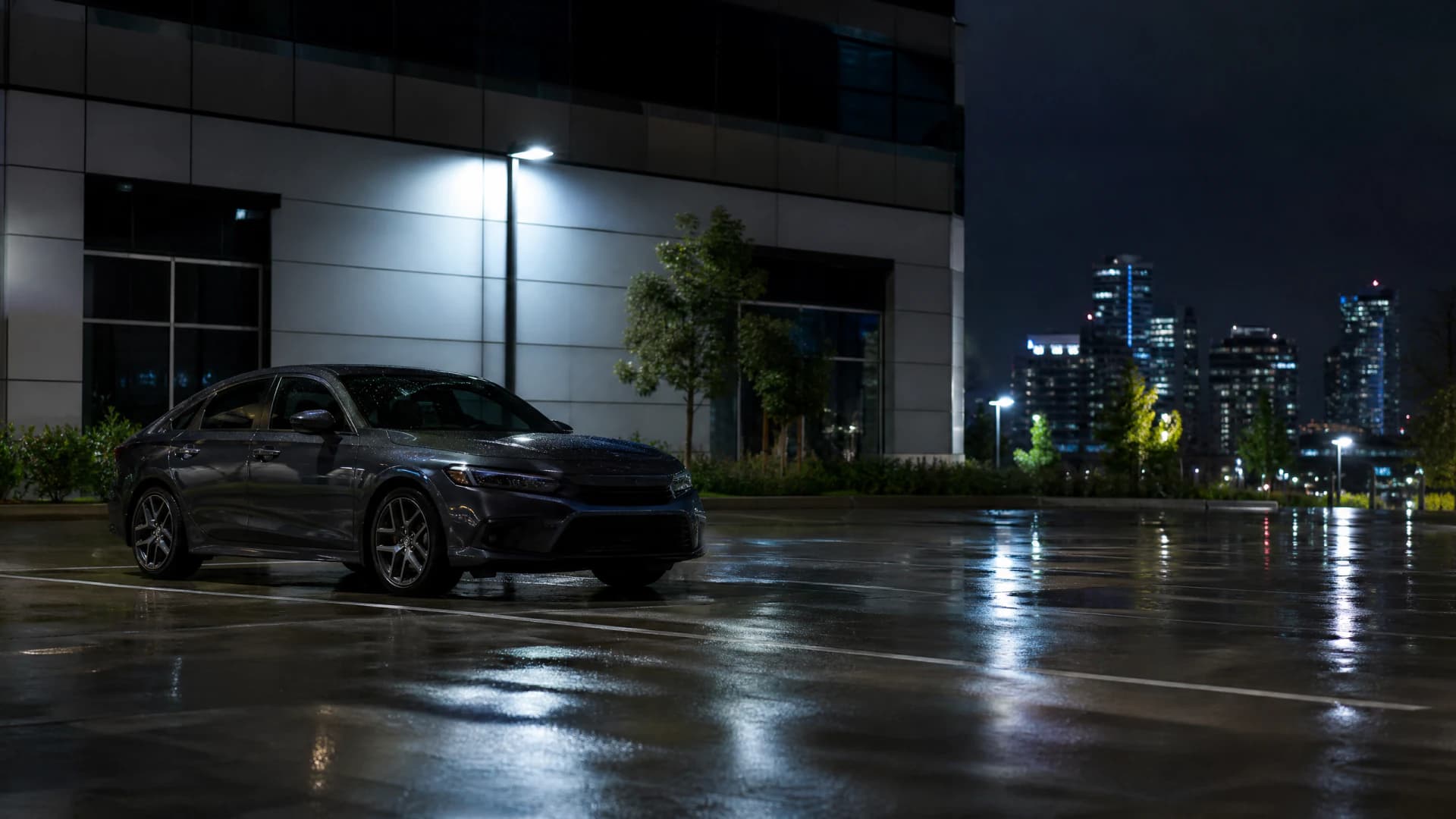
State Farm's multi-car discount vanishes the moment one vehicle's garaging address or title does not match the policy address, even if every car is owned by the same household.
Related Articles







When State Farm's Discount Works and When It Doesn't
State Farm's multi-car structure works cleanly for households where every vehicle is titled to one or two people at the same address and garaged at that address year-round. If you and your spouse own two or three cars, all registered to your home address in Henderson, State Farm's discount applies without friction. You add each vehicle to the policy, the discount triggers automatically, and the combined premium is lower than insuring each car separately.
The structure breaks when household reality does not match the same-address requirement. A college student with a car registered at a dorm address in Reno cannot sit on the same policy as the family's other vehicles in Las Vegas under State Farm's rules. A spouse who kept a vehicle titled at a previous address after marriage cannot combine that car with the household policy until the title and registration are updated. A household with one car garaged at a vacation property or a work location in another city cannot access the discount without changing the garaging address to match the primary policy address.
If your household includes any of these situations, State Farm's discount is inaccessible without restructuring ownership or addresses first. That restructuring has costs: re-titling a vehicle costs Nevada DMV fees, updating registration mid-term may trigger pro-rated adjustments, and changing a garaging address can re-rate the policy if the new address sits in a different rating territory. You need to compare the cost of restructuring against the premium savings State Farm's discount would produce, and weigh that against carriers whose flexible-address structure lets you access a discount without changing anything.
21 carriers
Nevada Multi-Car Carriers
Nevada has 21 carriers writing multi-vehicle policies with varying same-address and household-member requirements. State Farm is one option; comparing the structural rules across all 21 shows which carrier's discount structure fits your household without requiring title or address changes.
Nevada Division of Insurance carrier roster

How Adding a Vehicle Re-Rates Your State Farm Policy
When you add a second or third vehicle to an existing State Farm policy, the carrier re-rates the entire policy, not just the new car. State Farm recalculates the premium for every vehicle based on the updated household profile: total number of vehicles, total number of drivers, the combined liability exposure, and the garaging location's rating territory. The multi-car discount applies to the re-rated total, reducing each vehicle's share, but the base premium often increases because the household now presents higher total exposure.
This re-rating mechanism produces a counterintuitive outcome: adding a low-value second car can increase the premium for the first car, even after the multi-car discount. If your first vehicle is a newer sedan with full coverage and you add an older truck with liability-only coverage, State Farm re-rates the sedan's premium to reflect the household's new two-vehicle profile. The discount reduces both vehicles' premiums from that re-rated base, but the sedan's final premium may still be higher than it was when it sat alone on the policy. The combined premium for both vehicles is lower than insuring them separately, but the per-vehicle breakdown shifts.
State Farm Versus Flexible-Address Carriers for Nevada Households
If your household fits State Farm's same-address structure, State Farm's multi-car discount is competitive with Progressive, Geico, and Farmers. All four carriers write Nevada households with two or more vehicles, and all four offer multi-car discounts in the same range. The decision comes down to base rate: a smaller discount on a lower base rate often beats a larger discount on a higher base rate, and you won't know which carrier offers the lower combined premium until you compare quotes for your specific household profile.
If your household does not fit State Farm's same-address structure, Progressive and Geico become the better comparison targets. Both carriers write Nevada multi-vehicle policies with flexible garaging rules, allowing one vehicle at a college or work address without forfeiting the discount. Mercury General and Farmers also write flexible-address multi-car policies in Nevada, though their base rates and discount structures vary. The path forward is to compare all four carriers' quotes for your actual household situation: two vehicles, one at your home address and one at a second address, with the garaging reality disclosed accurately. The carrier whose flexible-address discount produces the lowest combined premium wins, regardless of whose advertised discount percentage is largest.

Compare State Farm Against Nevada's Full Carrier Roster
State Farm is one of 21 carriers writing Nevada multi-vehicle policies. The other 20 include carriers with stricter same-address rules than State Farm, carriers with more flexible garaging rules, and carriers whose base rates vary enough that a smaller discount beats State Farm's larger one. You cannot know which carrier's structure and rate combination fits your household until you compare quotes from at least three carriers whose structural rules match your vehicle and address reality. Use Nevada Car Insurance Requirements' comparison tool to request quotes from carriers writing your household profile, disclose every vehicle's actual garaging address, and compare the combined premiums side by side. The carrier whose discount structure you can actually access, at the lowest combined premium, is the one you choose.
How State Farm's Structure Compares to Other Nevada Carriers
Progressive, Geico, and Farmers write Nevada multi-car policies with more flexible garaging rules. Progressive allows one vehicle garaged at a college address under the same policy as long as the student is listed as a household member and the college address is disclosed. Geico's multi-car discount applies when vehicles are titled to household members on the same policy, even if one car is temporarily garaged elsewhere, as long as the primary garaging location remains the policy address. Farmers structures its multi-vehicle discount similarly, tolerating short-term address differences for students or work-related relocations without forfeiting the discount.
State Farm's structure is stricter. Every vehicle must be garaged at the policy address, with no tolerance for college or work exceptions. If your household situation includes a vehicle at a second address, you'll need to compare State Farm's single-address discount against Progressive's or Geico's flexible-address discount to see which structure produces the lower combined premium. In many cases, a slightly smaller discount on a flexible-address policy beats State Farm's larger discount that you cannot access without restructuring titles or addresses.
Get Your Free Quote
Get My Nevada Car Insurance QuoteFrequently Asked Questions
Does State Farm's multi-car discount apply if one vehicle is garaged at a college address?
No. State Farm requires every vehicle on the policy to be garaged at the same address shown on the policy declarations page. A vehicle garaged at a college address in a different city does not qualify for the multi-car discount under State Farm's structure. Progressive and Geico allow college-address exceptions; compare their quotes if your household includes a student vehicle at a separate address.
Can I combine two vehicles titled to different household members on one State Farm policy?
Yes, as long as both household members are listed on the policy and both vehicles are garaged at the same address. State Farm's multi-car discount applies when vehicles are titled to different people in the same household, but the same-address requirement still applies. If the vehicles are garaged at different addresses, the discount does not trigger.
How much does adding a second car to a State Farm policy increase the premium?
Adding a second vehicle re-rates the entire policy based on the household's updated profile. The multi-car discount reduces each vehicle's premium from that re-rated base, but the first vehicle's premium may increase compared to when it sat alone on the policy. The combined premium for both vehicles is lower than insuring them separately, but the per-vehicle breakdown shifts.
Which Nevada carriers allow multi-car discounts with vehicles at different addresses?
Progressive, Geico, Mercury General, and Farmers write Nevada multi-vehicle policies with flexible garaging rules. All four allow one vehicle garaged at a college or work address under the same policy as long as the household member and address are disclosed. State Farm requires every vehicle at the same address with no exceptions.
Does State Farm's multi-car discount apply to liability-only vehicles?
Yes. State Farm's multi-car discount applies to every vehicle on the policy regardless of coverage level. A liability-only vehicle and a full-coverage vehicle both receive the discount as long as both are garaged at the same address and titled to household members listed on the policy.