
Cheapest Car Insurance in Nevada — Multi-Vehicle Households
Free to compare
You're Adding a Second or Third Vehicle and Need the Lowest Combined Rate
You just bought another car, or a household member moved in with their vehicle, and you need to know which Nevada carrier gives you the lowest combined premium across all your vehicles. The multi-car discount exists at every major carrier, but the way it's calculated — per vehicle versus applied to the total policy premium — changes which carrier wins when you're insuring two, three, or four cars on one policy.
Nevada requires $25,000 per person, $50,000 per accident in bodily injury liability, and $20,000 in property damage. You must meet these minimums on every vehicle you register. The question is not whether you need coverage — it's which carrier structures the multi-car discount to save you the most when you're meeting that requirement across multiple vehicles.
“A smaller discount on a lower base rate often beats a larger discount on a higher one when you're insuring multiple vehicles.”

Find Coverage That Keeps You Legal in Nevada
Get My Nevada Car Insurance Quote24 carriers
Nevada Multi-Vehicle Roster
Twenty-four carriers write multi-vehicle policies in Nevada, including Geico, State Farm, Progressive, Allstate, and Farmers. Roster size matters because carriers with larger Nevada market share often offer more competitive multi-car rates due to volume pricing.
Nevada Department of Insurance carrier authorization list
The Multi-Car Discount Requires Every Vehicle on One Policy at the Same Address
The multi-car discount applies only when every vehicle sits on the same policy and is garaged at the same address. A car titled to a household member on a separate policy does not count toward your multi-car discount, even if that person lives at your address. You must combine policies to unlock the discount.
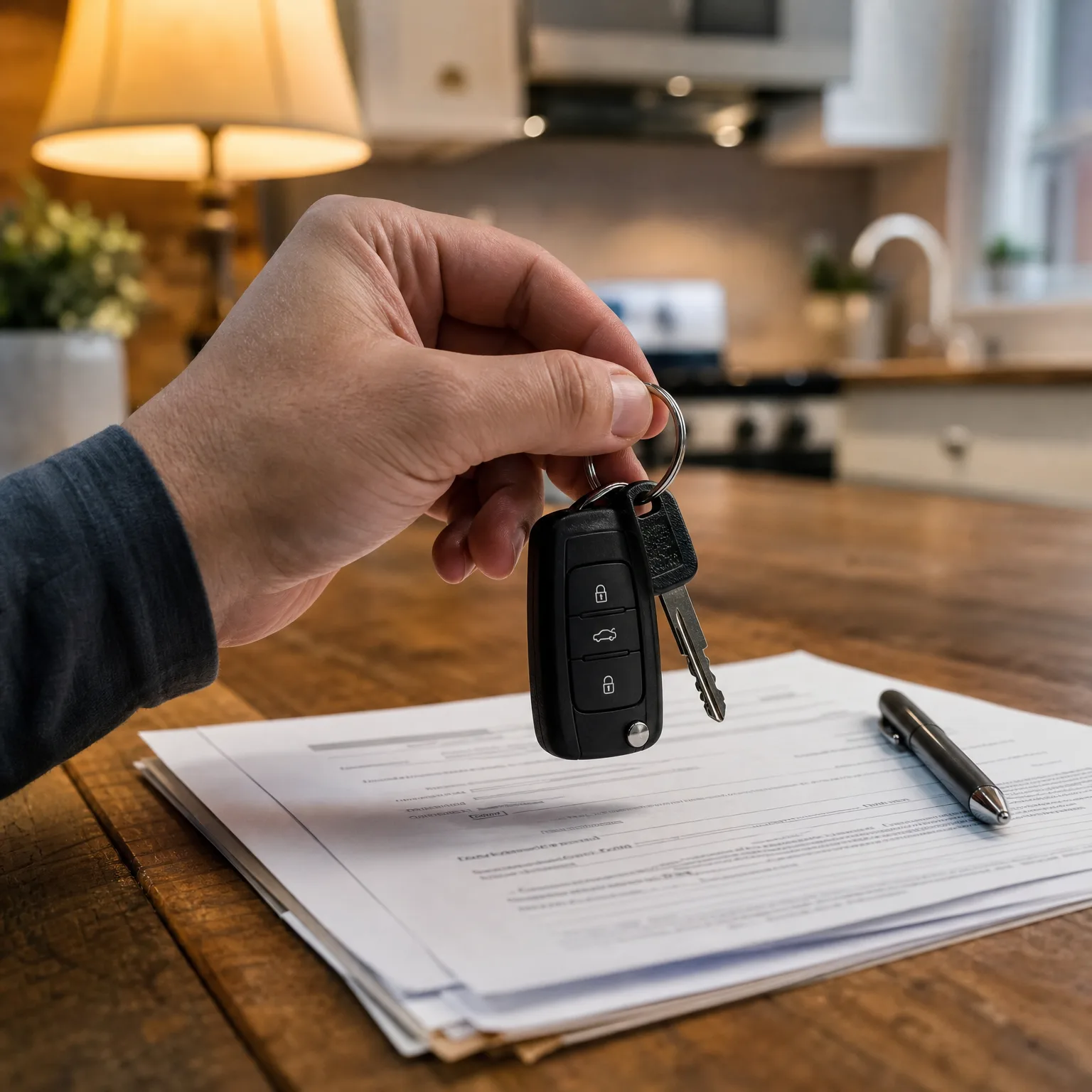
When you add a second vehicle mid-term, the carrier re-rates the entire policy — it does not simply add a flat amount for the new car. The multi-car discount recalculates across both vehicles, which often lowers the per-vehicle rate. But the size of that discount varies by carrier, and some carriers apply it more generously to households with three or more vehicles than to two-vehicle households.
If you're combining two existing policies after marriage or a move, the combined premium is usually lower than the sum of the two separate policies, but not always. Carriers weight driving records, vehicle types, and garaging location differently. The only way to know which carrier wins for your specific household is to compare quotes with every vehicle and driver listed on the same application.
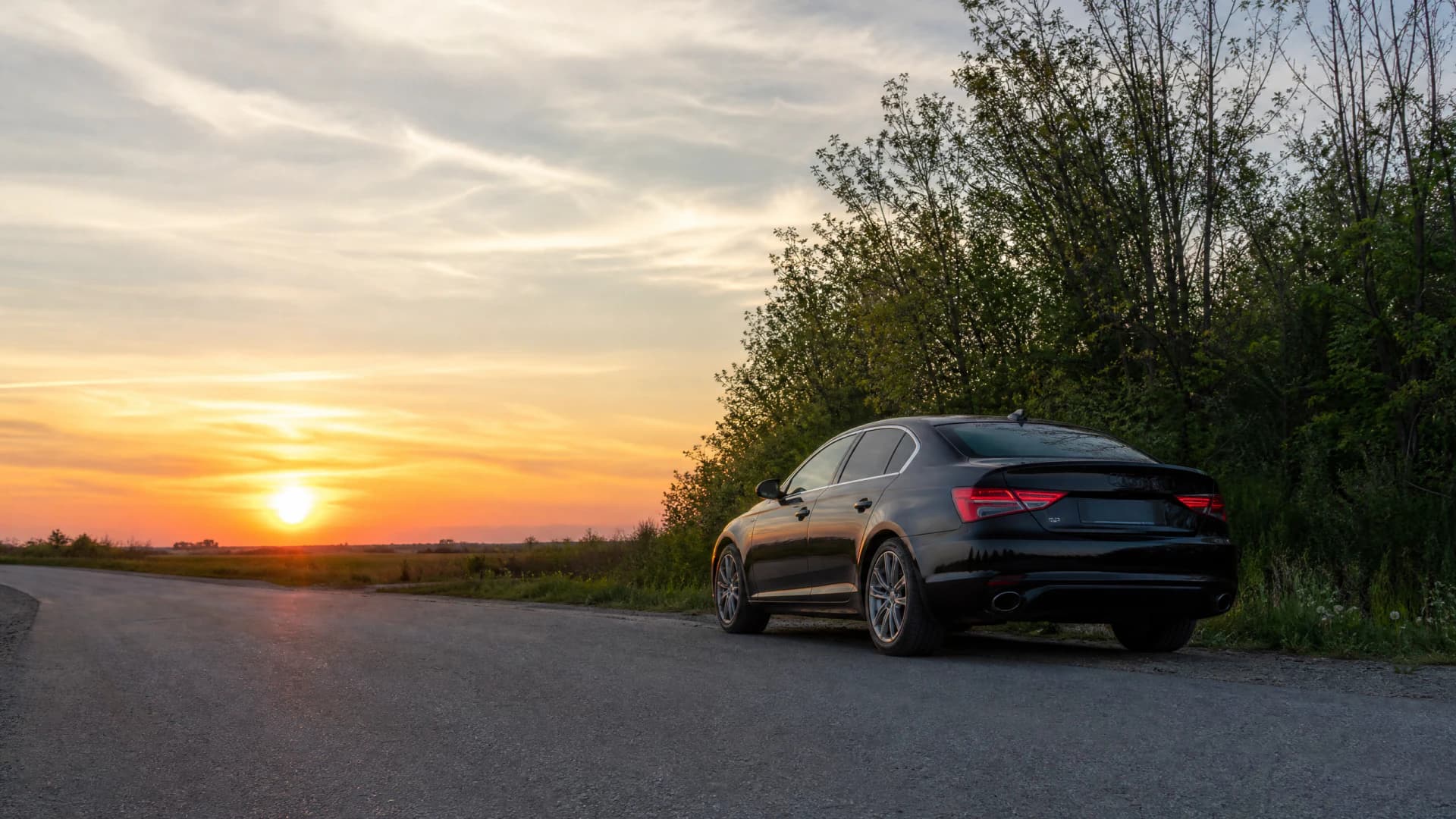
A smaller discount on a lower base rate often beats a larger discount on a higher one. Compare total premium across carriers, not discount percentages.






Nevada's Liability Minimums Apply to Every Vehicle You Register
Nevada requires proof of insurance at registration and at every traffic stop. The state's liability minimums — $25,000 per person, $50,000 per accident, $20,000 property damage — must be met on every vehicle you own. If you're insuring multiple vehicles, you cannot carry minimum coverage on one car and full coverage on another without meeting the state minimums on both.
When you add a vehicle to an existing policy, the carrier extends your current coverage levels to the new car automatically during the grace period, which is typically 14 to 30 days depending on the carrier. After the grace period, an unreported vehicle can be denied at claim time. Report the new vehicle within the grace window to preserve coverage and lock in the multi-car discount.
Nevada does not require uninsured motorist coverage, but 11.1% of Nevada drivers are uninsured. If you're insuring multiple vehicles, uninsured motorist coverage applies to every car on the policy. Adding it increases your premium, but the per-vehicle cost is lower on a multi-car policy than on separate policies because the coverage stacks across vehicles.
$122/mo
Nevada Average Premium
The average Nevada driver pays $122 per month for auto insurance. Multi-vehicle households typically pay less per vehicle when all cars sit on one policy, because the multi-car discount reduces the combined rate.
NAIC Auto Insurance Database Report 2023

Carriers That Write Multi-Vehicle Policies in Nevada
Geico, State Farm, Progressive, Allstate, and Farmers write the majority of multi-vehicle policies in Nevada. Geico and Progressive offer online quoting tools that let you add multiple vehicles and drivers in one session, which makes comparison faster. State Farm and Allstate require agent contact for multi-vehicle quotes, but their local agents can often identify household discounts that online tools miss.
Non-standard carriers — Bristol West, Dairyland, Infinity, Kemper, The General — write multi-vehicle policies for households with drivers who have recent violations or lapses. These carriers typically apply the multi-car discount to the total premium rather than per vehicle, which can produce lower combined rates for households with mixed driving records. If one household member has a DUI or suspended license, compare non-standard carriers alongside standard carriers to see which structure wins for your household.
Compare Carriers With Every Vehicle and Driver Listed
The only way to identify the lowest combined premium is to request quotes from multiple carriers with every vehicle, every driver, and the same coverage levels on each application. Carriers weight household size, vehicle mix, and driver records differently. A carrier that offers the lowest rate for a two-vehicle household may not win for a three-vehicle household, because the multi-car discount structure changes the math.
When you compare quotes, list every vehicle garaged at your address and every licensed household member, even if they have their own policy elsewhere. Carriers require full household disclosure to calculate the multi-car discount accurately. Omitting a vehicle or driver can result in a denied claim or retroactive premium adjustment. Use Nevada's state requirements page to confirm the minimum liability limits you must meet, then request quotes at those minimums and at higher coverage levels to see how the multi-car discount changes the per-vehicle rate at each tier.
How Nevada Carriers Calculate the Multi-Car Discount
Carriers that apply the discount per vehicle typically reduce the premium on the second, third, and fourth cars by a set percentage. This structure benefits households where the additional vehicles are lower-value or driven less frequently, because the discount compounds on already-lower premiums. Geico, Progressive, and State Farm use per-vehicle discount structures in Nevada.
Carriers that apply the discount to the total policy premium calculate the combined rate for all vehicles first, then reduce the total. This structure benefits households with higher-value vehicles or multiple drivers, because the discount applies to the entire premium base. Allstate, Farmers, and Travelers use total-premium discount structures. When you're insuring three or more vehicles, total-premium discounts often produce lower combined rates than per-vehicle discounts, even when the advertised discount percentage is smaller.
Get Your Free Quote
Get My Nevada Car Insurance QuoteFrequently Asked Questions
Does Nevada require the same coverage on every vehicle I own?
Nevada requires you to meet the state's liability minimums — $25,000 per person, $50,000 per accident, $20,000 property damage — on every vehicle you register. You can carry higher coverage on some vehicles and minimum coverage on others, but every car must meet the minimums. When all vehicles sit on one policy, the carrier applies your selected coverage levels to each car.
Can I get the multi-car discount if one vehicle is titled to a household member on a separate policy?
No. The multi-car discount requires every vehicle to sit on the same policy. A car titled to a household member on a separate policy does not count toward your discount, even if that person lives at your address. You must combine policies to unlock the multi-car discount.
How long do I have to add a newly purchased vehicle to my existing policy?
Most Nevada carriers give you 14 to 30 days to report a newly purchased vehicle. During this grace period, your existing coverage extends to the new car automatically. After the grace period, an unreported vehicle can be denied at claim time. Report the new vehicle within the grace window to preserve coverage and lock in the multi-car discount.
Does the multi-car discount apply to motorcycles or RVs?
It depends on the carrier. Some Nevada carriers include motorcycles and RVs in the multi-car discount when they sit on the same policy as your cars; others exclude them. Geico, Progressive, and State Farm typically include motorcycles. Allstate and Farmers handle RVs on separate policies. Ask each carrier whether non-car vehicles count toward the multi-car discount before combining policies.
Which Nevada carriers offer the lowest multi-vehicle rates?
The lowest multi-vehicle rate depends on your household's vehicle mix, driver records, and garaging location. Geico and Progressive often win for two-vehicle households with clean records. State Farm and Allstate often win for three- or four-vehicle households. Non-standard carriers like Bristol West and Dairyland can offer lower combined rates for households with mixed driving records. Compare quotes from multiple carriers with every vehicle and driver listed to identify the lowest rate for your household.