
Multi-Car Insurance Savings — Nevada
Free to compare
When Adding a Second Vehicle Doesn't Trigger the Discount
You bought a second car, added it to your Nevada policy, and expected the multi-car discount to drop your premium. Instead, your bill went up by nearly the full cost of insuring the second vehicle. The discount didn't apply because the second car is titled to a household member who maintains a separate policy with a different carrier, and the multi-car discount almost always requires every vehicle to sit on the same policy under the same policy number.
This article walks through how Nevada's multi-car discount actually works, which of the state's 23 carriers writing auto insurance offer the discount and under what household structures, and how to structure coverage across your vehicles so the discount applies to every car you're paying to insure.
“A vehicle titled to someone on a different policy does not count toward your multi-car discount, even if they live in your household.”

Find Coverage That Keeps You Legal in Nevada
Get My Nevada Car Insurance Quote23 carriers
Nevada Auto Insurance Roster
Nevada's carrier roster includes 23 insurers writing personal auto policies, from preferred-tier carriers like State Farm and USAA to standard-tier writers like Geico and Progressive. Not all 23 offer a multi-car discount, and discount size varies by carrier and household structure.
Nevada Department of Insurance carrier licensing data, 2025
The Multi-Car Discount Requires One Policy for Every Vehicle
The multi-car discount is a policy-level discount, not a household-level discount. It applies when you insure two or more vehicles on the same policy, under the same policy number, with the same effective and renewal dates. A vehicle titled to a household member on a separate policy — even if that policy is with the same carrier — does not count toward the discount on your policy.
Most carriers require every vehicle to be garaged at the same address to qualify for the multi-car discount. A car garaged at a second address, a college student's car at a dorm, or a vehicle titled to a household member who lives elsewhere typically does not qualify, even if you're paying the premium. The discount applies to the policy, and the policy applies to vehicles garaged at the address on the policy declarations page.
When you combine two separate policies into one — after marriage, after a household member moves in, or when consolidating coverage with one carrier — the multi-car discount applies to the combined policy going forward. The discount does not apply retroactively to the period before consolidation.
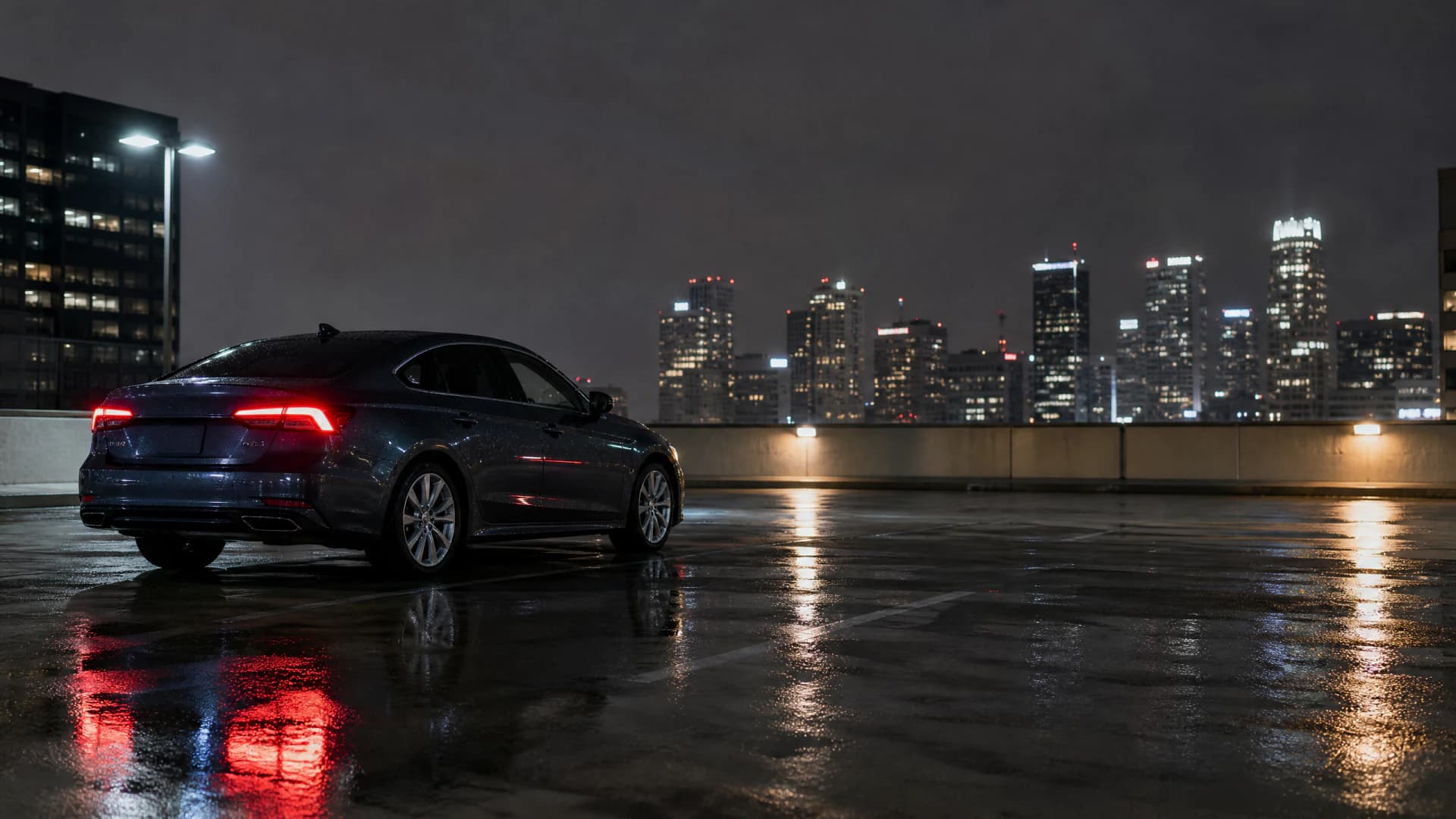
A vehicle titled to someone on a different policy does not count toward your multi-car discount, even if they live in your household and you're paying both premiums.





Which Carriers Write the Biggest Multi-Car Discounts in Nevada
Nevada's carrier roster includes 23 insurers writing personal auto policies. The largest by market share — State Farm, Geico, Progressive, Allstate, and Farmers — all offer multi-car discounts, but discount size and eligibility rules vary. State Farm and USAA typically offer the largest multi-car discounts for preferred-tier households with clean driving records. Geico and Progressive offer competitive discounts for standard-tier households and write non-owner policies for drivers who do not own a vehicle but need coverage.
Carriers in Nevada's non-standard tier — Bristol West, Dairyland, Infinity, Kemper, The General, and National General — write multi-car policies for high-risk households, including drivers with DUI convictions, suspended licenses, or multiple at-fault accidents. Non-standard carriers typically offer smaller multi-car discounts than preferred-tier carriers, but base rates are often lower for high-risk drivers, so the combined premium may still beat a preferred-tier carrier's rate.
When comparing carriers, request quotes for the exact household structure you're insuring: the number of vehicles, the number of drivers, the garaging address, and whether any driver has a violation or lapse on record. A multi-car discount advertised as 20 percent may apply only to the second vehicle, not to every vehicle on the policy, and some carriers cap the discount at three vehicles.
$25,000 / $50,000 / $20,000
Nevada Minimum Liability Limits
Nevada requires $25,000 bodily injury per person, $50,000 bodily injury per accident, and $20,000 property damage. Every vehicle on your policy must carry at least these limits. Adding a vehicle to your policy re-rates the entire policy, not just the new vehicle.
Nevada Revised Statutes 485.185

How Adding a Vehicle Mid-Term Re-Rates Your Policy
When you add a vehicle to an existing policy, the carrier re-rates the entire policy, not just the new vehicle. The premium increase reflects the cost of insuring the new vehicle plus the recalculated premium for every vehicle already on the policy. The multi-car discount applies to the new combined policy, but the discount may be smaller than you expect if the new vehicle is high-value, high-risk, or driven by a high-risk driver.
Most Nevada carriers offer a grace period for newly-purchased vehicles — typically 14 to 30 days — during which the new vehicle is automatically covered under your existing policy at the same coverage levels as your other vehicles. You must report the new vehicle to your carrier within the grace period to maintain coverage. If you miss the grace period and the new vehicle is involved in an accident before you report it, the carrier may deny the claim.
Compare Multi-Car Quotes from Nevada Carriers
The multi-car discount is a policy-level discount that applies only when every vehicle sits on the same policy, garaged at the same address, and titled to someone who can be listed on that policy. If your household structure does not fit that frame — a roommate's car, a vehicle garaged at a second address, or a household member on a separate policy — the discount does not apply, and you're paying full rate for at least one vehicle. Compare quotes for your exact household structure from at least three of Nevada's 23 carriers. Geico, Progressive, State Farm, and Allstate all write multi-car policies in Nevada and offer online quoting tools. Request quotes for both combined and separate policies, and confirm the multi-car discount applies to every vehicle before you bind coverage.
How to Structure Coverage Across Multiple Vehicles
Start by confirming every vehicle is titled to someone who can be listed on the same policy. Most carriers require every listed driver to live at the garaging address or be a household member. A roommate's car, a vehicle titled to an ex-spouse, or a car owned by an adult child who lives elsewhere typically cannot be added to your policy. If the vehicle cannot be added, the multi-car discount does not apply to it.
Next, compare the combined premium for all vehicles on one policy against the sum of separate premiums. The multi-car discount typically ranges from 10 to 25 percent per vehicle, but a smaller discount on a lower base rate can beat a larger discount on a higher one. Request quotes for both structures from at least three of Nevada's 23 carriers. Geico, Progressive, State Farm, and Allstate all write multi-car policies in Nevada and offer online quoting tools.
Get Your Free Quote
Get My Nevada Car Insurance QuoteFrequently Asked Questions
Does the multi-car discount apply if I have two vehicles with the same carrier but on separate policies?
No. The multi-car discount applies only when every vehicle sits on the same policy under the same policy number. Two separate policies with the same carrier do not qualify, even if both policies are in your name and billed to the same address.
Can I add my roommate's car to my policy to get the multi-car discount?
Most Nevada carriers require every listed driver to be a household member or relative. A roommate typically does not qualify unless the carrier defines household member broadly enough to include non-relatives living at the same address. Check with your carrier before adding a roommate's vehicle.
How much does the multi-car discount save on a Nevada policy?
Discount size varies by carrier and household structure. Preferred-tier carriers like State Farm and USAA typically offer larger discounts for clean-record households. Non-standard carriers offer smaller discounts but may have lower base rates for high-risk drivers. Compare quotes for your exact household structure.
Does adding a third vehicle increase the multi-car discount?
Some carriers increase the discount with each additional vehicle, up to a cap (typically three or four vehicles). Other carriers apply the same discount percentage to every vehicle after the first. Request quotes for your exact vehicle count to see how the discount scales.
What happens if I miss the grace period for adding a newly-purchased vehicle?
If you do not report the new vehicle within your carrier's grace period (typically 14 to 30 days) and the vehicle is involved in an accident, the carrier may deny the claim. Report new vehicles immediately to maintain coverage and apply the multi-car discount.
Can I combine my auto policy with my spouse's policy after marriage to get the multi-car discount?
Yes. Combining two separate policies into one after marriage typically qualifies for the multi-car discount going forward. The discount does not apply retroactively to the period before consolidation. Request quotes for the combined policy from at least three carriers.