
Car Insurance Rate Increases After Accidents — Nevada
Free to compare
One Accident Reprices Every Vehicle You Insure
You had an at-fault accident in one of your household's vehicles. The claim is settled. Now renewal arrives and the premium jumped for every car on the policy, not just the one that was in the crash. This is not a billing error. Nevada carriers re-rate the entire policy when one vehicle generates an at-fault claim, because the policy is priced as a single unit and your household's risk profile changed.
The confusion comes from thinking each vehicle carries its own separate rate that only changes when that specific car has a claim. In reality, a multi-car policy is one contract covering multiple vehicles under a shared risk assessment. When one car's accident changes that assessment, every vehicle on the policy gets repriced at the next renewal. The carrier does not isolate the surcharge to the involved vehicle.
“The policy is the unit of underwriting. An accident in one vehicle re-rates every car you insure.”
Find Coverage That Keeps You Legal in Nevada
Get My Nevada Car Insurance Quote$25,000 / $50,000 / $20,000
Nevada Minimum Liability Limits
Nevada requires $25,000 bodily injury per person, $50,000 per accident, and $20,000 property damage. An at-fault accident below these limits still triggers re-rating because the claim demonstrates risk, regardless of payout size.
Nevada DMV
Why the Entire Policy Gets Repriced
Carriers price multi-car policies by evaluating the household's aggregate risk: every driver, every vehicle, every address where the cars are garaged. When one vehicle has an at-fault claim, the carrier's actuarial model recalculates the household's overall likelihood of future claims. That recalculation applies to the policy as a whole, not to individual line items within it.
The policy is the unit of underwriting. Adding a vehicle mid-term re-rates the policy. Removing a vehicle re-rates the policy. An accident in one vehicle re-rates the policy. The multi-car discount you received at the start reflected the household's risk profile at that moment. An at-fault claim changes that profile, and the discount percentage or base rate adjusts accordingly at renewal.
Some households expect the accident surcharge to appear as a separate line item on the involved vehicle only. Instead, the entire premium recalculates. The second and third vehicles may show higher premiums even though they were never in a crash, because the policy-level base rate or tier assignment shifted after the claim.
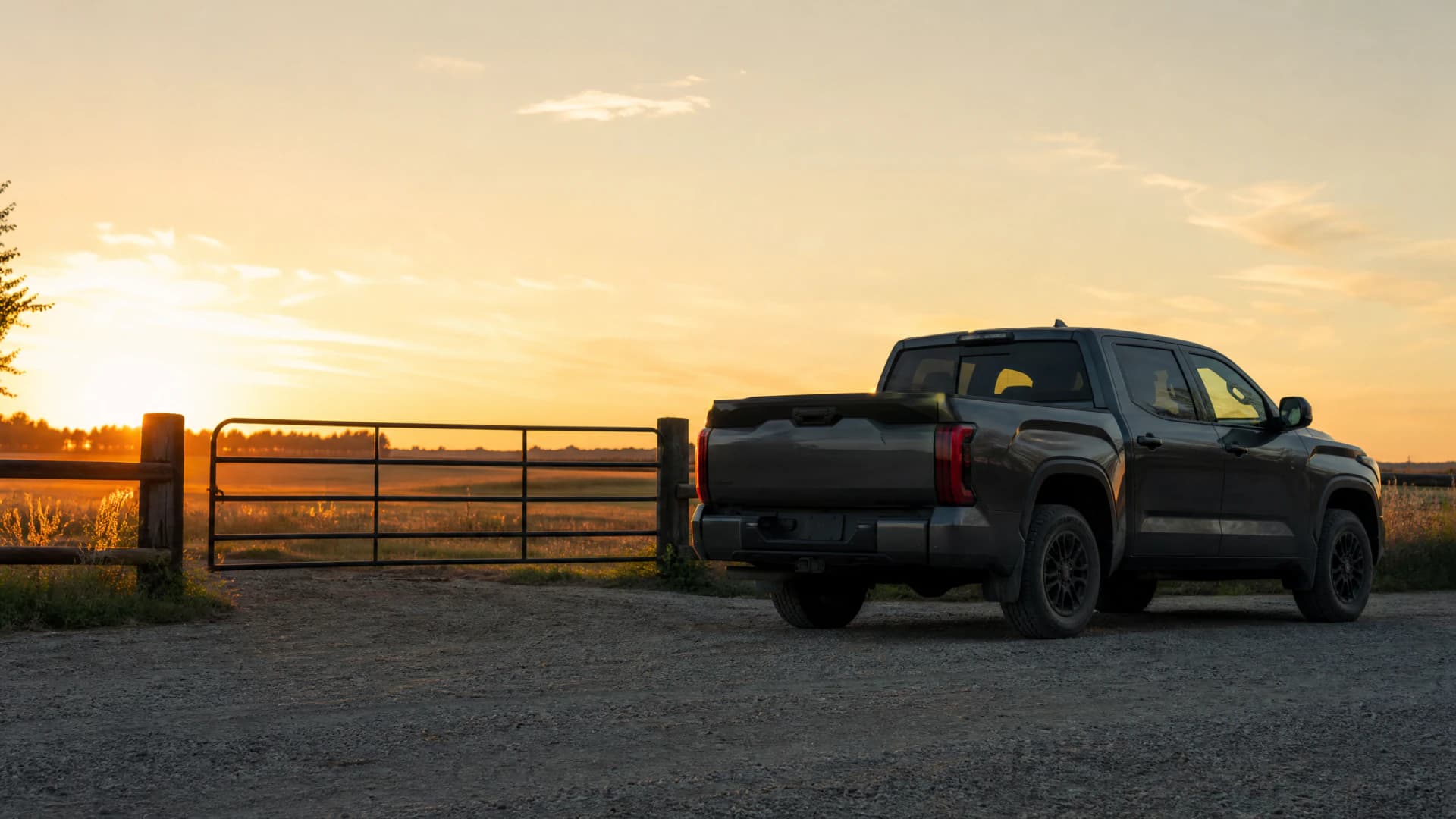
The carrier reprices the policy, not the vehicle. Every car you insure gets a new rate at renewal after one car's at-fault claim.
Related Articles






What Counts as an At-Fault Accident in Nevada
Nevada is a fault-based state. The driver who caused the accident is liable for damages, and their carrier pays the claim. If you caused the accident, your liability coverage pays the other party's damages up to your policy limits, and your carrier records the claim as at-fault. That at-fault designation triggers the re-rating at renewal.
Not-at-fault accidents do not trigger surcharges in Nevada. If another driver caused the crash and their carrier paid your claim, or if your uninsured motorist coverage paid because the at-fault driver had no insurance, your policy should not be surcharged. Comprehensive claims for theft, vandalism, weather, or animal strikes are also not surcharged, because they do not involve fault.
Single-vehicle accidents where you hit a fixed object, rolled the vehicle, or left the road are at-fault by definition. Rear-ending another vehicle is almost always at-fault. Turning left across traffic and striking an oncoming vehicle is at-fault. If your carrier paid a liability claim or a collision claim where you were determined to be at fault, expect the surcharge at renewal.
Some carriers distinguish between minor and major at-fault accidents. A minor accident with a small payout and no injury may result in a lower surcharge than a major accident with significant property damage or bodily injury. The claim severity affects the size of the increase, but both minor and major at-fault claims trigger policy-wide re-rating.
11.1%
Nevada Uninsured Motorist Rate
One in nine Nevada drivers has no insurance. If an uninsured driver causes an accident and you file an uninsured motorist claim, that claim is not at-fault and should not trigger a surcharge.
Insurance Research Council, 2023

Comparing Carriers After an At-Fault Accident
Carriers weigh at-fault accidents differently. Some apply steep surcharges for three years then drop them entirely. Others spread smaller increases over five years. A carrier that gave you the lowest rate before the accident may not be the lowest after re-rating, because each carrier's underwriting model treats claims history differently.
Nevada households with multiple vehicles should compare quotes from at least three carriers at renewal after an at-fault accident. Nevada's minimum liability requirements are $25,000 per person, $50,000 per accident, and $20,000 property damage, but most multi-car households carry higher limits or full coverage. The carrier offering the best rate on your current coverage mix may shift after the claim.
What to Do Before Your Renewal
Request a renewal quote from your current carrier 30 to 45 days before your policy expires. The quote will show the new premium for every vehicle after the at-fault surcharge is applied. Compare that total to quotes from other carriers writing Nevada. Provide each carrier with the same coverage limits, deductibles, and vehicle list so the comparison is accurate.
If your current carrier's renewal premium is significantly higher than competing quotes, switching is straightforward. Purchase the new policy with an effective date matching your current policy's expiration date, then cancel the old policy on that same date to avoid a coverage gap. Nevada requires continuous proof of insurance, and a lapse of coverage can trigger an SR-22 filing requirement and additional penalties.
Some carriers offer accident forgiveness programs that waive the first at-fault accident surcharge if you meet eligibility requirements, typically a clean driving record for a set number of years before the accident. If your carrier offers this and you qualified, confirm that the forgiveness was applied at renewal. If not, ask whether purchasing accident forgiveness for future claims makes sense given your household's driving patterns and the cost of the endorsement.
How Nevada Carriers Apply the At-Fault Surcharge
Most Nevada carriers apply the accident surcharge by moving the policy to a higher-risk tier or applying a percentage increase to the base premium. The surcharge period typically runs three to five years from the accident date, and the increase is steepest at the first renewal after the claim. Some carriers reduce the surcharge incrementally each year if no new claims occur; others hold it flat for the full period then drop it entirely.
The total annual cost increase depends on the original premium, the severity of the claim, and whether the accident involved injury or property damage only. Carriers writing Nevada's non-standard market may apply flatter surcharges but start from higher base rates.
Get Your Free Quote
Get My Nevada Car Insurance QuoteFrequently Asked Questions
Does an at-fault accident raise rates for all vehicles on my Nevada policy?
Yes. Nevada carriers re-rate the entire multi-car policy when one vehicle has an at-fault claim, because the policy is priced as a single contract and the household's risk profile changed. Every vehicle on the policy will show a higher premium at renewal.
How long does an at-fault accident affect my Nevada car insurance rates?
Most Nevada carriers apply the at-fault surcharge for three to five years from the accident date. The increase is typically steepest at the first renewal after the claim, and some carriers reduce it incrementally each year if no new accidents occur.
Will a not-at-fault accident raise my rates in Nevada?
No. Nevada is a fault-based state, and carriers do not surcharge for accidents where another driver was at fault and their carrier paid your claim. Uninsured motorist claims for accidents caused by uninsured drivers are also not surcharged.
Can I avoid a rate increase by not filing a claim after a minor accident?
Your carrier will learn of the accident through the DMV report even if you do not file a claim, and the at-fault designation will still trigger re-rating at renewal.
Should I switch carriers after an at-fault accident in Nevada?
Compare quotes from at least three Nevada carriers at renewal. Each carrier weighs at-fault accidents differently, and the carrier offering the best rate before the accident may not be the lowest after re-rating. Switching is straightforward if another carrier offers a lower total premium for the same coverage.
Does accident forgiveness prevent a rate increase in Nevada?
If your carrier offers accident forgiveness and you qualified before the accident, the first at-fault claim should not trigger a surcharge. Confirm the forgiveness was applied at renewal. Not all Nevada carriers offer this program, and eligibility requirements vary.