
What Affects Car Insurance Rates — Nevada
Free to compare
Why Your Premium Changed When You Added Another Car
You added a third vehicle to your Nevada policy and the premium increase was larger than you expected — not just the cost of insuring one more car, but a jump that affected the entire policy. Nevada carriers re-rate the full policy when you add or remove a vehicle mid-term. The new vehicle doesn't simply add a flat amount; instead, the carrier recalculates risk across all vehicles, all drivers, and all coverage selections as a single household unit.
This structural reality catches households off guard because the multi-car discount — the reduction carriers advertise for insuring multiple vehicles on one policy — applies to the policy as a whole, not to individual cars. When you add a vehicle, the carrier re-evaluates whether the discount tier changes, whether driver assignments shift, and whether the garaging address or vehicle mix alters the risk profile. The result: a premium change that reflects the new household structure, not just the incremental cost of the added car.
“Nevada carriers re-rate the full policy when you add or remove a vehicle, not just the new car's share.”

Find Coverage That Keeps You Legal in Nevada
Get My Nevada Car Insurance Quote$25,000 / $50,000 / $20,000
Nevada Minimum Liability Limits
Nevada requires $25,000 bodily injury per person, $50,000 per accident, and $20,000 property damage. Every vehicle on your policy must meet these minimums, and carriers price each vehicle's liability coverage based on its use, garaging location, and the drivers assigned to it.
Nevada Revised Statutes 485.185
How the Multi-Car Discount Actually Works in Nevada
The multi-car discount requires every vehicle to sit on the same policy, issued to the same named insured, and typically garaged at the same address. A vehicle titled to a household member who maintains a separate policy does not count toward your multi-car discount, even if you live together. A car garaged at a second address — a college student's apartment, a vacation property, a work parking lot — may disqualify the discount or require a separate policy depending on the carrier's underwriting rules.
Nevada carriers structure the discount as a percentage reduction applied to the total premium after all vehicles and drivers are rated together. The discount percentage often increases with the number of vehicles: two cars might earn a smaller reduction than three or four. But the discount applies to the combined premium, not to each vehicle individually, so adding a high-risk vehicle or a young driver can increase the base premium enough to offset the discount's benefit.
When you combine two existing policies — after marriage, when a household member moves in, or when you consolidate coverage — the carrier re-rates both policies as one. The combined premium is not the sum of the two prior premiums minus a discount. It is a new calculation based on the full household: every vehicle, every driver, every coverage selection, and every risk factor. The result can be lower, but it can also be higher if the combined household carries more risk than either policy did separately.
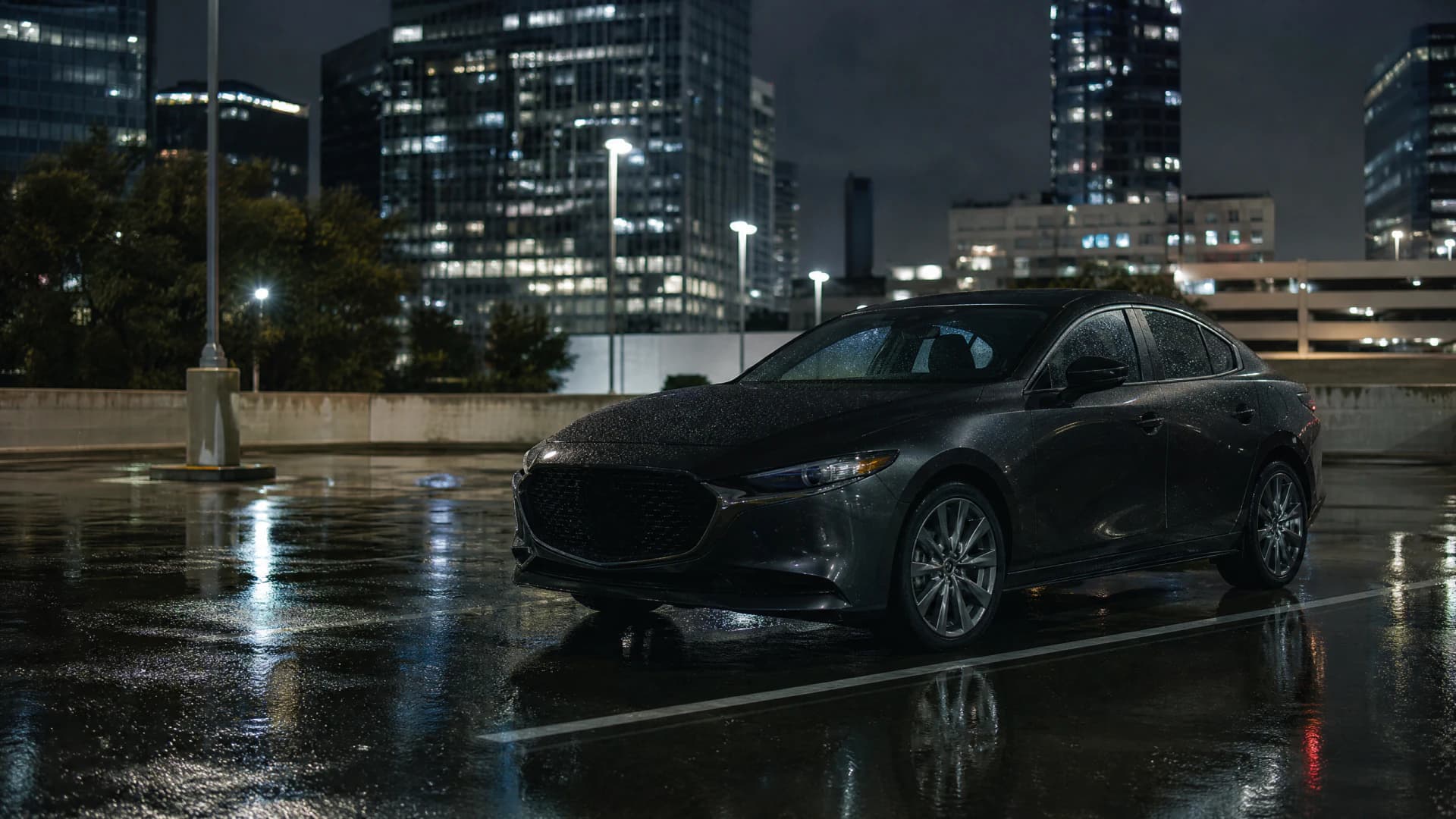
A vehicle titled to someone outside your household or garaged at a different address may not qualify for your multi-car discount, even if you pay for its coverage.





Coverage Selections and How They Compound Across Vehicles
Liability coverage is required on every vehicle and priced individually based on each car's use and the driver assigned to it. Collision and comprehensive are optional but priced per vehicle based on the car's value, age, and theft risk. When you carry full coverage on multiple vehicles, the deductible you choose — $500 or $1,000 are the most common — applies per vehicle, per incident. A household with three cars and $500 deductibles faces three separate deductibles if all three are damaged in the same storm.
Uninsured and underinsured motorist coverage is not required in Nevada but is often recommended given the state's 11.1% uninsured-motorist rate. When you add this coverage to a multi-vehicle policy, the carrier typically prices it as a per-vehicle add-on, though some carriers offer household-level UM/UIM that covers all vehicles and drivers under one limit. The pricing structure varies by carrier, and the difference can be significant on a three- or four-car policy.
Dropping collision or comprehensive on an older vehicle — one worth less than ten times the annual premium for those coverages — is a common strategy to reduce the total premium without losing liability protection. But removing coverage from one vehicle does not automatically lower the premium by that vehicle's prior share. The carrier re-rates the policy when you make the change, and the multi-car discount may adjust based on the new coverage mix.
11.1%
Nevada Uninsured Motorist Rate
More than one in ten Nevada drivers lacks insurance. Uninsured and underinsured motorist coverage protects your household when an at-fault driver cannot pay, and it applies across all vehicles on your policy.
Insurance Research Council, 2023

When Adding a Vehicle Costs More Than Expected
A newly purchased vehicle triggers a policy re-rate the moment you report it to your carrier. Most Nevada carriers provide a grace period — typically 14 to 30 days — during which a new car is automatically covered under your existing policy's terms. But that grace period is not free: the carrier backdates the premium adjustment to the purchase date, and you pay for the added vehicle from day one. Missing the grace window can result in a lapse, and a lapse of 91 days or more triggers Nevada's SR-22 requirement, which adds cost and filing obligations for three years.
The vehicle's characteristics drive its individual cost: year, make, model, safety features, theft rate, and repair cost. A high-theft vehicle or one with expensive parts increases the comprehensive premium. A sports car or luxury vehicle increases collision and liability premiums. When you add such a vehicle to a multi-car policy, the carrier re-evaluates the household's overall risk profile, and the multi-car discount may not fully offset the added risk.
Compare Carriers That Write Multi-Vehicle Policies in Nevada
Nevada has 24 carriers writing multi-vehicle policies with varying discount structures, coverage options, and household underwriting rules. Allstate, American Family, Farmers, Geico, Liberty Mutual, Mercury General, National General, Progressive, State Farm, and USAA all write multi-car policies in Nevada and offer online quotes. Bristol West, Dairyland, Infinity, Kemper, and The General specialize in non-standard and high-risk households and may offer multi-vehicle coverage when standard carriers decline.
The multi-car discount percentage, the garaging-address rules, and the driver-assignment flexibility vary by carrier. One carrier may offer a larger discount but price the base premium higher; another may offer a smaller discount on a lower base rate and deliver a better total. The only way to know which structure fits your household is to compare quotes with your actual vehicle count, driver assignments, and coverage selections entered identically across carriers. Use Nevada's comparison tool to see which carriers write your household and what each charges for the same coverage across all your vehicles.
What Drives Your Multi-Vehicle Premium in Nevada
Driver assignments matter more than vehicle count. Nevada carriers assign each driver to a primary vehicle and rate that pairing based on the driver's age, violation history, and credit score where lawful. When you add a vehicle, the carrier may reassign drivers to optimize coverage or reflect actual use, and those reassignments can shift the premium significantly. A household with three cars and two drivers will see different pricing than a household with three cars and three drivers, even if the vehicles are identical.
Garaging location affects every vehicle on the policy. Nevada uses ZIP code and sometimes street address to assess theft risk, accident frequency, and uninsured-motorist rates in your area. A car garaged in Las Vegas faces different risk factors than one in Reno or rural Nevada. When all vehicles share the same garaging address, the carrier applies one location-based rate. When vehicles are garaged at different addresses — a college student's car in another city, a work vehicle parked elsewhere — the carrier may require separate policies or apply blended location pricing that increases the total premium.
Get Your Free Quote
Get My Nevada Car Insurance QuoteFrequently Asked Questions
Does adding a second car to my Nevada policy automatically lower my rate?
Adding a second car triggers the multi-car discount, but the discount applies to the combined premium after the carrier rates both vehicles, both drivers, and all coverage selections together. The total premium increases because you are insuring two cars instead of one, but the per-vehicle cost is typically lower than insuring each car on a separate policy.
Can I get the multi-car discount if my spouse has a separate policy?
No. The multi-car discount requires every vehicle to sit on the same policy, issued to the same named insured. If your spouse maintains a separate policy, even at the same address, the vehicles on each policy do not count toward the other's multi-car discount. Combining the policies into one is required to earn the discount.
What happens to my premium if I remove a car from my Nevada policy?
The carrier re-rates the entire policy when you remove a vehicle. The premium decreases because you are insuring fewer cars, but the multi-car discount percentage may also change based on the new vehicle count. The per-vehicle cost of the remaining cars may increase slightly even as the total premium drops.
Do all vehicles on my policy need the same coverage?
No. Every vehicle must carry Nevada's minimum liability limits, but collision and comprehensive are optional and priced per vehicle. You can carry full coverage on newer cars and liability-only on older ones. The carrier prices each vehicle's coverage individually, then applies the multi-car discount to the combined premium.
How does garaging location affect my multi-car premium in Nevada?
Nevada carriers use the garaging address to assess theft risk, accident frequency, and uninsured-motorist rates. When all vehicles are garaged at the same address, the carrier applies one location-based rate. A car garaged at a different address may require a separate policy or increase the total premium through blended location pricing.
Can I insure a car titled to my college student on my Nevada policy?
Yes, if the student is a household member and the car is listed on your policy. The carrier will assign the student as the primary driver of that vehicle and rate it accordingly. If the car is garaged at the student's college address in another city, the carrier may apply that location's risk factors or require a separate policy depending on underwriting rules.