
Full Coverage Car Insurance Cost — Nevada
Free to compare
What Full Coverage Means in Nevada
You own a financed or leased vehicle in Nevada, and your lender requires full coverage. You know Nevada's minimum liability limits are $25,000 per person for bodily injury, $50,000 per accident, and $20,000 for property damage—but full coverage is not just higher liability limits. It is liability plus collision and comprehensive, the two coverages that pay for damage to your own vehicle.
The structural reality: Nevada does not mandate collision or comprehensive coverage. The state requires only liability insurance to register and legally drive. Full coverage is a lender requirement or a driver's choice to protect the vehicle itself. The cost difference between minimum and full coverage comes entirely from adding those two physical-damage coverages to the liability base.
“Nevada's liability floor is fixed by statute; collision and comprehensive costs vary by vehicle value and garaging location.”

Find Coverage That Keeps You Legal in Nevada
Get My Nevada Car Insurance Quote$25,000/$50,000/$20,000
Nevada Liability Minimum
Nevada Revised Statutes require $25,000 bodily injury per person, $50,000 per accident, and $20,000 property damage. This is the floor for legal operation, not full coverage.
Nevada Revised Statutes
Collision and Comprehensive Drive the Price Gap
Collision coverage pays for damage to your vehicle when you hit another car or object, regardless of fault. Comprehensive pays for theft, vandalism, weather damage, and animal strikes. Both coverages are priced based on your vehicle's actual cash value, your garaging ZIP code, and your chosen deductible—typically $500 or $1,000.
Carriers price these coverages on replacement risk, not liability exposure. Your liability premium stays the same whether you drive a 2015 Honda Civic or a 2024 Ford F-150, but collision and comprehensive premiums scale with vehicle value.
Nevada's high vehicle theft rate—480.2 thefts per 100,000 population in 2024—pushes comprehensive premiums higher in urban garaging locations. Las Vegas and Reno ZIP codes carry higher theft risk than rural Nevada counties, and comprehensive pricing reflects that exposure.

Full coverage in Nevada means liability at state minimums plus collision and comprehensive. The liability floor is fixed by statute; collision and comprehensive costs vary by vehicle and location.






When Full Coverage Makes Sense
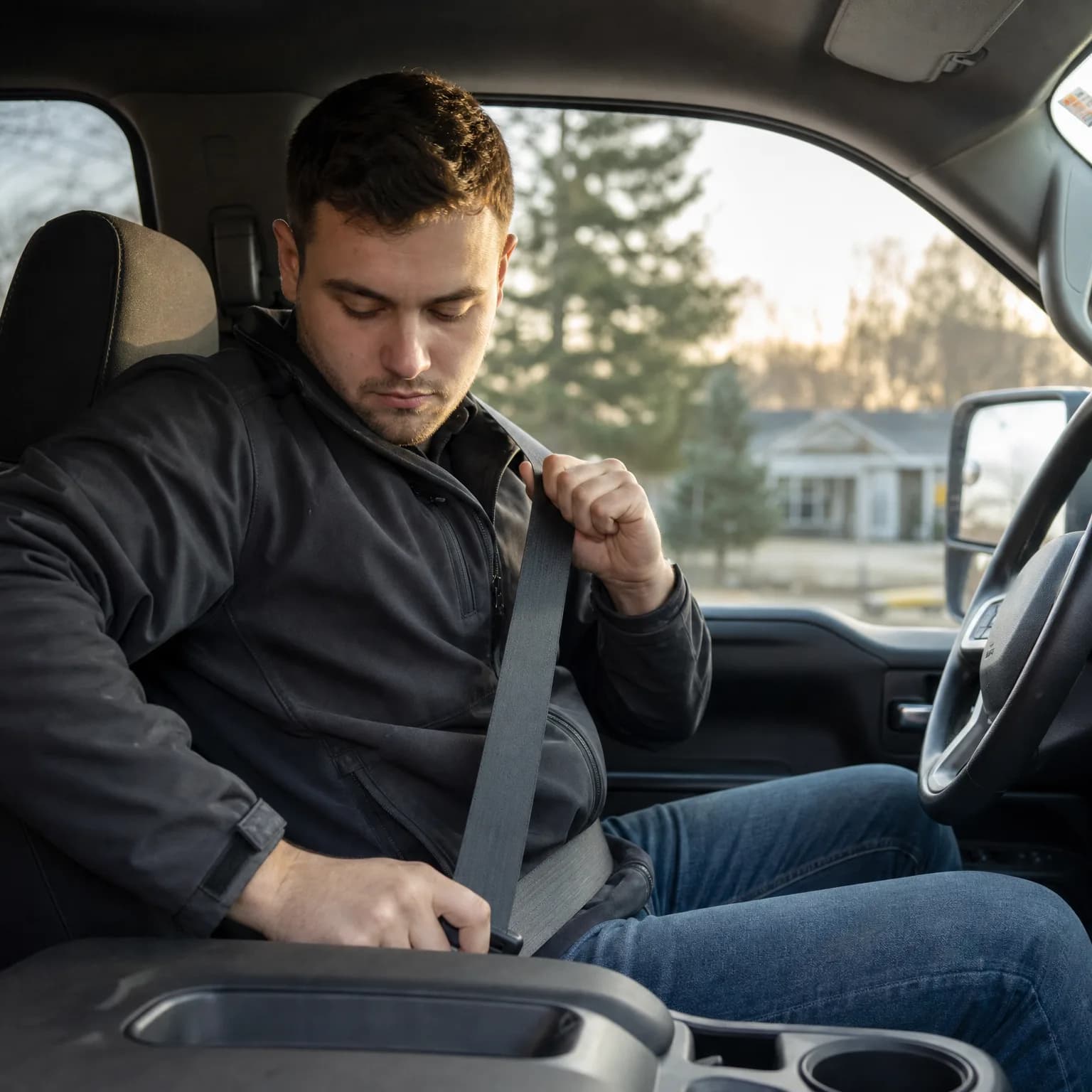
Lenders require full coverage on financed and leased vehicles because the vehicle secures the loan. If you total the car without collision coverage, you still owe the loan balance but no longer own the asset. Full coverage protects the lender's collateral interest and your ability to replace the vehicle.
For owned vehicles, the decision hinges on replacement cost versus premium cost.
Nevada's 11.1 percent uninsured motorist rate means collision coverage also functions as protection against hit-and-run drivers and uninsured at-fault parties. Collision pays your claim regardless of fault; you recover your deductible from the at-fault driver only if they carry insurance and accept liability. In a state where one in nine drivers operates without coverage, collision eliminates that recovery risk.
11.1%
Nevada Uninsured Motorist Rate
One in nine Nevada drivers operates without insurance. Collision coverage pays your claim even when the at-fault driver carries no policy, eliminating your recovery risk.
Insurance Research Council, 2023
Multi-Vehicle Households and Full Coverage
Households insuring two or more vehicles in Nevada face a coverage-structure decision: carry full coverage on every vehicle, or split coverage based on vehicle value and use. The multi-car discount applies to the policy, not to individual coverages—adding a second vehicle to your policy triggers the discount whether both cars carry full coverage or one carries liability only.
A common structure: full coverage on the financed daily driver, liability only on the older paid-off vehicle used for errands. This approach protects the high-value asset and the lender's interest while avoiding collision and comprehensive premiums on a vehicle you could replace out-of-pocket. The multi-car discount still applies because both vehicles sit on the same policy.
Compare Carriers Writing Full Coverage in Nevada
Twenty-four carriers write auto insurance in Nevada, and collision and comprehensive pricing varies widely by carrier even when liability limits and deductibles match. State Farm, GEICO, Progressive, Allstate, and Farmers all write full coverage policies in Nevada, but their pricing models weight vehicle value, garaging location, and driver history differently.
Request quotes with identical liability limits, deductibles, and coverage selections from at least three carriers. Full coverage comparisons require apples-to-apples structure—a $500 deductible quote from one carrier does not compare to a $1,000 deductible quote from another. Specify your vehicle's year, make, model, and garaging ZIP code; collision and comprehensive premiums depend on those inputs more than any other factor.
How Deductibles Shape Your Premium
A $500 deductible means you pay the first $500 of repair costs after a covered loss; the carrier pays the rest. A $1,000 deductible cuts your collision and comprehensive premium but doubles your claim-time expense. Most Nevada drivers choose $500 or $1,000 deductibles based on their ability to cover that amount without financial strain.
The premium difference between a $500 and $1,000 deductible is not linear. Moving from $500 to $1,000 typically saves less per month than the $500 gap suggests, because carriers price for claim frequency and severity, not just deductible amount. Compare both options with your carrier before deciding—the monthly savings may not justify the higher claim-time cost if you file frequently.
Get Your Free Quote
Get My Nevada Car Insurance QuoteFrequently Asked Questions
What does full coverage car insurance include in Nevada?
Full coverage in Nevada means liability insurance at the state's $25,000/$50,000/$20,000 minimum plus collision and comprehensive coverage. Collision pays for damage to your vehicle in an accident regardless of fault; comprehensive pays for theft, vandalism, weather damage, and animal strikes. Nevada does not mandate collision or comprehensive—lenders require them on financed and leased vehicles.
How much does full coverage cost compared to minimum coverage in Nevada?
The cost difference between minimum and full coverage depends entirely on your vehicle's value, garaging ZIP code, and chosen deductible. Collision and comprehensive premiums scale with vehicle replacement cost and local theft rates. A newer vehicle in Las Vegas costs more to insure for full coverage than an older vehicle in rural Nevada, even when liability limits are identical.
Do I need full coverage if I own my car outright in Nevada?
Nevada does not require collision or comprehensive coverage on owned vehicles. Full coverage makes sense when your vehicle's value justifies the premium cost and you cannot replace it out-of-pocket after a total loss.
Does the multi-car discount apply to full coverage policies in Nevada?
The multi-car discount applies to the policy, not to individual coverages. Adding a second vehicle to your Nevada policy triggers the discount whether both cars carry full coverage or one carries liability only. You can structure coverage based on vehicle value—full coverage on the financed car, liability only on the older paid-off vehicle—and still receive the multi-car discount.
What deductible should I choose for collision and comprehensive in Nevada?
Most Nevada drivers choose a $500 or $1,000 deductible based on their ability to cover that amount at claim time. A $1,000 deductible lowers your monthly premium but doubles your out-of-pocket expense after a covered loss. Compare both options with your carrier—the monthly savings from a higher deductible may not justify the increased claim-time cost if you file frequently.
How does Nevada's uninsured motorist rate affect full coverage decisions?
Nevada's 11.1 percent uninsured motorist rate means one in nine drivers operates without insurance. Collision coverage pays your claim even when the at-fault driver carries no policy, eliminating your recovery risk. Without collision, you must pursue the uninsured driver directly to recover repair costs—a process that often fails.
Can I drop collision and comprehensive after my car is paid off in Nevada?
Once your lender releases the lien, Nevada does not require you to carry collision or comprehensive coverage. You can drop both coverages and carry liability only. The decision depends on your vehicle's current value and your ability to replace it out-of-pocket. If the vehicle is worth more than you can afford to lose in a total-loss scenario, keep full coverage.