
Minimum Coverage Car Insurance — Nevada
Free to compare
What Nevada Minimum Coverage Actually Covers
Nevada minimum coverage is a liability-only policy that meets the state's legal floor: $25,000 per person for bodily injury, $50,000 per accident for bodily injury, and $20,000 per accident for property damage. That's written as 25/50/20. It covers damage you cause to other people and their property when you're at fault. It does not cover your own vehicle, your own injuries, or damage someone else causes to you.
The $25,000 per-person limit is the maximum your insurer pays for one injured person's medical bills, lost wages, and pain-and-suffering claims. The $50,000 per-accident cap is the total your policy pays when multiple people are injured in the same crash, no matter how many people file claims. The $20,000 property-damage limit covers the other driver's vehicle repair, rental car, and any property you damage — a fence, a building, a parked car. When actual costs exceed these limits, you pay the difference out of pocket.
“Nevada's 25/50/20 minimum satisfies the DMV but rarely covers modern accident costs, leaving most at-fault drivers personally liable for the difference.”

Find Coverage That Keeps You Legal in Nevada
Get My Nevada Car Insurance Quote$25,000 / $50,000 / $20,000
Nevada Minimum Liability Limits
These are the lowest liability limits you can carry and still register a vehicle in Nevada. NRS 485.185 sets the floor. Driving without proof of these minimums is a misdemeanor.
Nevada Revised Statutes 485.185
The Gap Between Minimum Coverage and Actual Accident Costs
A single emergency-room visit after a moderate-injury crash often exceeds $25,000 before any follow-up care, lost wages, or legal claims. If you cause an accident that injures two people and totals their car, your 25/50/20 policy pays up to $50,000 for their injuries and $20,000 for their vehicle.
Nevada does not require personal injury protection or uninsured motorist coverage, so minimum coverage leaves you completely unprotected when someone else causes the accident. If an uninsured driver hits you, your minimum-coverage policy pays nothing for your injuries or your vehicle. You file a claim against the at-fault driver directly, and if they have no assets, you absorb the loss. Roughly 11.1% of Nevada drivers are uninsured, which means one in nine accidents involves a driver with no coverage to pay your claim.
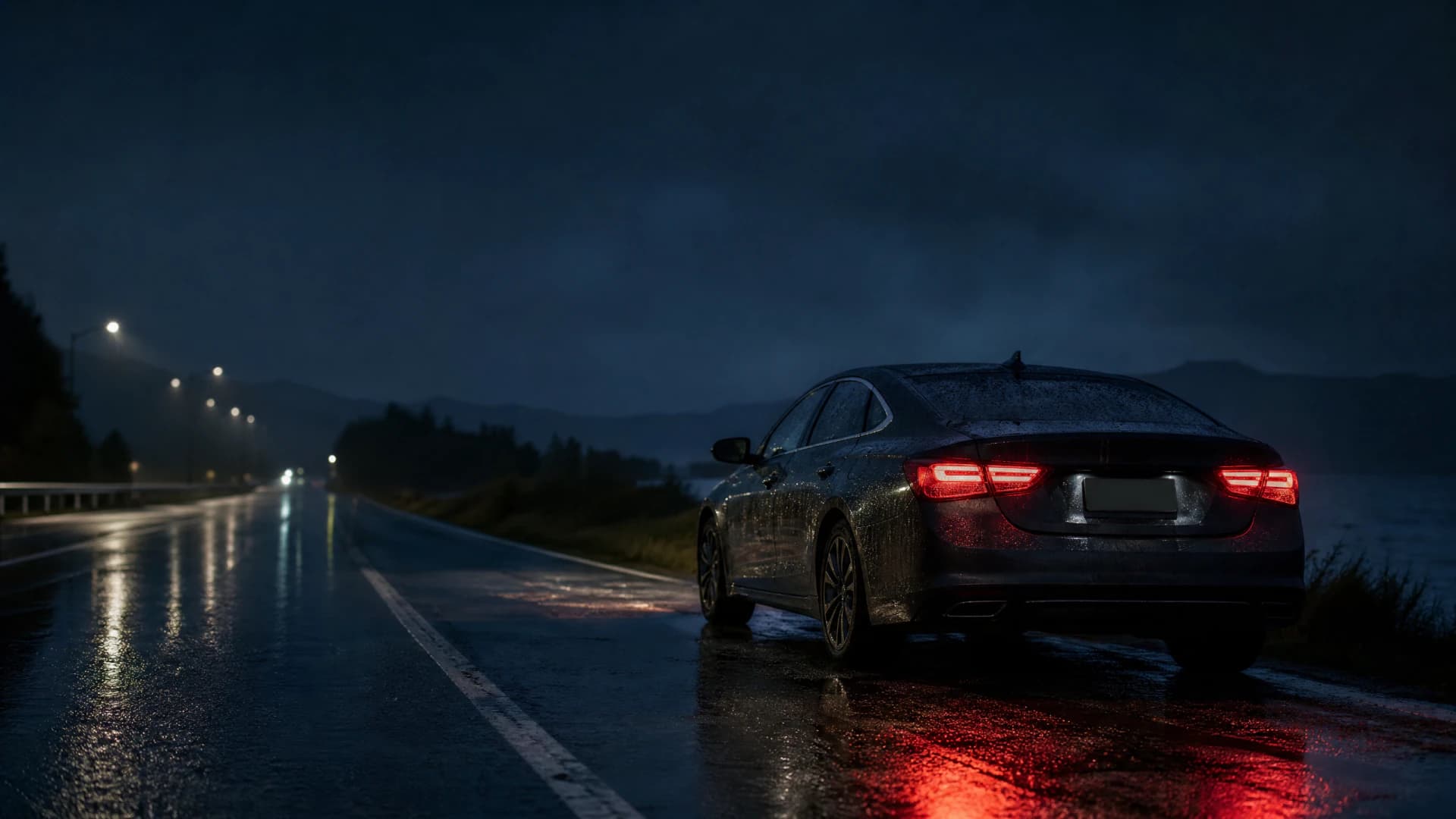
Nevada minimum coverage satisfies the DMV but does not cover your own car, your own injuries, or costs above the liability limits when you're at fault.







What Full Coverage Adds to Minimum Liability
Full coverage is not a product name. It's shorthand for a liability policy that also includes collision, comprehensive, and often uninsured/underinsured motorist coverage. Collision pays to repair or replace your vehicle after an at-fault accident or a crash with an object. Comprehensive covers theft, vandalism, weather damage, and animal strikes. Uninsured motorist coverage pays your medical bills and vehicle damage when an uninsured or underinsured driver hits you.
Adding these coverages to Nevada's minimum liability transforms the policy from a legal-compliance tool into actual financial protection. You still carry the 25/50/20 liability floor, but you add coverage for your own losses. If you cause an accident, collision repairs your car. If someone without insurance hits you, uninsured motorist coverage steps in. If your car is stolen, comprehensive replaces it. The cost difference between minimum coverage and full coverage depends on your vehicle's value, your deductible, and your driving record, but the protection gap is the difference between walking away from a totaled car with nothing and walking away with a check to replace it.
Most households that own a vehicle worth more than a few thousand dollars, or that cannot afford to replace a car out of pocket, need full coverage. The minimum liability floor satisfies the state, but it does not protect the household's largest assets or cover the most common accident scenarios. Choosing minimum coverage to save money in the short term often produces a larger financial loss after a single crash.
11.1%
Nevada Uninsured Motorist Rate
One in nine Nevada drivers carries no insurance. When an uninsured driver causes an accident, your minimum-coverage policy pays nothing for your injuries or vehicle damage unless you added uninsured motorist coverage.
Insurance Information Institute, 2023

How Nevada Enforces the Minimum Coverage Requirement
Nevada requires continuous proof of insurance for every registered vehicle. If your policy lapses for any reason — missed payment, canceled policy, switched carriers without overlap — the DMV receives an electronic notice from your insurer within days. After a lapse of 91 days or more, the state requires you to file an SR-22 certificate for three years to prove continuous coverage going forward. The SR-22 itself costs a small filing fee, but it flags you as high-risk, and most carriers raise your premium significantly once the filing appears on your record.
If a police officer stops you and you cannot provide proof of insurance, you face a misdemeanor charge. If you're involved in an accident without insurance, Nevada's DMV can suspend your license and registration until you pay all damages or post a bond, and you'll be required to carry SR-22 for three years after reinstatement. The state does not treat lapses lightly, because uninsured drivers shift accident costs onto insured drivers and the public.
Comparing Carriers That Write Minimum Coverage in Nevada
Most major carriers write minimum-coverage policies in Nevada, but not all offer the same service quality or claims process. State Farm, Geico, Progressive, Allstate, Farmers, and USAA all write 25/50/20 policies and maintain local claims offices or mobile-app claims filing. Bristol West, Dairyland, Infinity, Kemper, The General, and National General specialize in non-standard and high-risk drivers and often write minimum-coverage policies for drivers with lapses, violations, or SR-22 requirements. Mercury General and Root write in Nevada and offer app-based quoting and policy management.
When comparing minimum-coverage quotes, verify that the policy includes the 25/50/20 liability limits and nothing more unless you choose to add coverage. Some carriers automatically quote higher limits or add coverages you did not request, which raises the premium above the true minimum. Ask whether the carrier offers uninsured motorist coverage as an optional add-on — it's not required in Nevada, but it's often inexpensive and covers the gap when an uninsured driver hits you. Check the carrier's claims process: does it offer mobile claims filing, or do you call a toll-free number and wait for an adjuster? A minimum-coverage policy is only as useful as the claims process behind it.

Next Step: Compare Minimum and Full Coverage Side by Side
The decision between minimum coverage and full coverage is not about what the state requires. It's about what you can afford to lose. If your vehicle is worth more than a few thousand dollars, if you have assets a lawsuit could reach, or if you cannot replace your car out of pocket, minimum coverage leaves you exposed. Compare quotes for both minimum liability and full coverage from multiple carriers. The difference in premium is often smaller than drivers expect, and the protection gap is the difference between financial recovery and financial catastrophe after a single accident. Start with carriers that write your risk profile and compare the coverage options that match your household's actual exposure.
When Minimum Coverage Makes Sense and When It Doesn't
If your car is old, paid off, and you would not repair it after a crash, paying for collision and comprehensive coverage wastes money. If you rent, have no savings, and earn a modest income, a judgment creditor has little to collect beyond the policy limits. In that narrow case, minimum coverage satisfies the legal requirement without paying for protection you cannot use.
Minimum coverage fails when you own a financed or leased vehicle, because your lender requires collision and comprehensive. It fails when you own a home, have retirement savings, or earn enough income that a lawsuit could garnish wages or place a lien on assets. It fails when you cannot afford to replace your car out of pocket after an at-fault accident. And it fails when you drive in heavy traffic, on highways, or in areas with high uninsured-motorist rates, because a single serious accident produces costs that dwarf the liability limits and leave you personally liable for the difference.
Get Your Free Quote
Get My Nevada Car Insurance QuoteFrequently Asked Questions
What does Nevada minimum coverage car insurance cover?
Nevada minimum coverage is liability-only: $25,000 per person for bodily injury, $50,000 per accident for bodily injury, and $20,000 for property damage. It covers damage you cause to others when you're at fault. It does not cover your own vehicle, your own injuries, or damage caused by an uninsured driver.
Is minimum coverage enough in Nevada?
Minimum coverage satisfies Nevada's registration requirement but rarely covers actual accident costs. A moderate injury crash or totaled vehicle often exceeds the 25/50/20 limits, leaving you personally liable for the difference. It works only if your car is worth very little and you have no assets a lawsuit could reach.
What happens if I drive without insurance in Nevada?
Driving without insurance in Nevada is a misdemeanor. A lapse of 91 days or more triggers a three-year SR-22 filing requirement, which raises your premium significantly.
Does Nevada require uninsured motorist coverage?
No. Nevada does not require uninsured motorist coverage, but 11.1% of Nevada drivers are uninsured. If an uninsured driver hits you and you carry only minimum liability, your policy pays nothing for your injuries or vehicle damage. Uninsured motorist coverage is optional but often inexpensive.
How much does minimum coverage cost in Nevada?
Cost varies by driving record, location, vehicle, and carrier. Nevada law requires only that you carry the 25/50/20 liability minimums. Compare quotes from multiple carriers to find the lowest rate for your situation, and verify that the quote includes only the minimum limits unless you choose to add coverage.
What is the difference between minimum coverage and full coverage in Nevada?
Minimum coverage is liability-only and covers damage you cause to others. Full coverage adds collision, comprehensive, and often uninsured motorist coverage, which protect your own vehicle and injuries. Full coverage costs more but covers the losses minimum coverage leaves unprotected.