
Nevada Minimum vs Full Coverage — Multi-Car Households
Free to compare
The Multi-Car Coverage Decision Nevada Households Face
You own two or three cars in Nevada, and you're trying to figure out whether to carry minimum liability on all of them or add collision and comprehensive to some or all vehicles. The state requires $25,000 per person and $50,000 per accident in bodily injury liability, plus $20,000 in property damage liability. That's the floor. The question is whether full coverage — liability plus collision plus comprehensive — makes sense when you're insuring multiple vehicles on one policy.
Most households structure coverage differently across their vehicles rather than treating every car the same. A newer financed vehicle almost always carries full coverage because the lender requires it. An older paid-off car might drop collision and comprehensive if the vehicle's value no longer justifies the added premium. The structural reality: you're not choosing one coverage level for the household — you're choosing a coverage level for each vehicle, and those choices interact on the same policy.
“A multi-car household carrying minimum liability on every vehicle is self-insuring the replacement cost of every car simultaneously.”

Find Coverage That Keeps You Legal in Nevada
Get My Nevada Car Insurance Quote$25,000 / $50,000 / $20,000
Nevada Minimum Liability
Nevada law requires every registered vehicle to carry at least $25,000 per person and $50,000 per accident in bodily injury liability, plus $20,000 in property damage liability. These minimums apply to each vehicle on your policy.
Nevada Revised Statutes 485.185
What Minimum Coverage Actually Covers Across Multiple Vehicles
Minimum liability coverage pays for damage you cause to another person or their property, up to the policy limits, when you're at fault in an accident. It does not pay to repair your own vehicle. If you total your car in an at-fault accident and you carry only minimum liability, you receive nothing for your vehicle — you pay out of pocket to replace it or go without. That's the structural trade: lower premium, higher out-of-pocket risk when your vehicle is damaged.
When you insure multiple vehicles on one policy with minimum liability only, that trade applies to every car. If your household owns three vehicles and all three carry minimum liability, an at-fault accident that totals one of them leaves you replacing that vehicle entirely on your own. For a $20,000 newer vehicle, it's a financial hit most households cannot absorb without disruption.
The multi-car dimension: you're not just deciding whether you can afford to replace one vehicle — you're deciding whether you can afford to replace any vehicle in the household fleet at any time. The more vehicles you own, the more exposure points you have. A household with three cars has three opportunities for an at-fault total loss in any given year. Minimum liability leaves all three exposures uninsured.
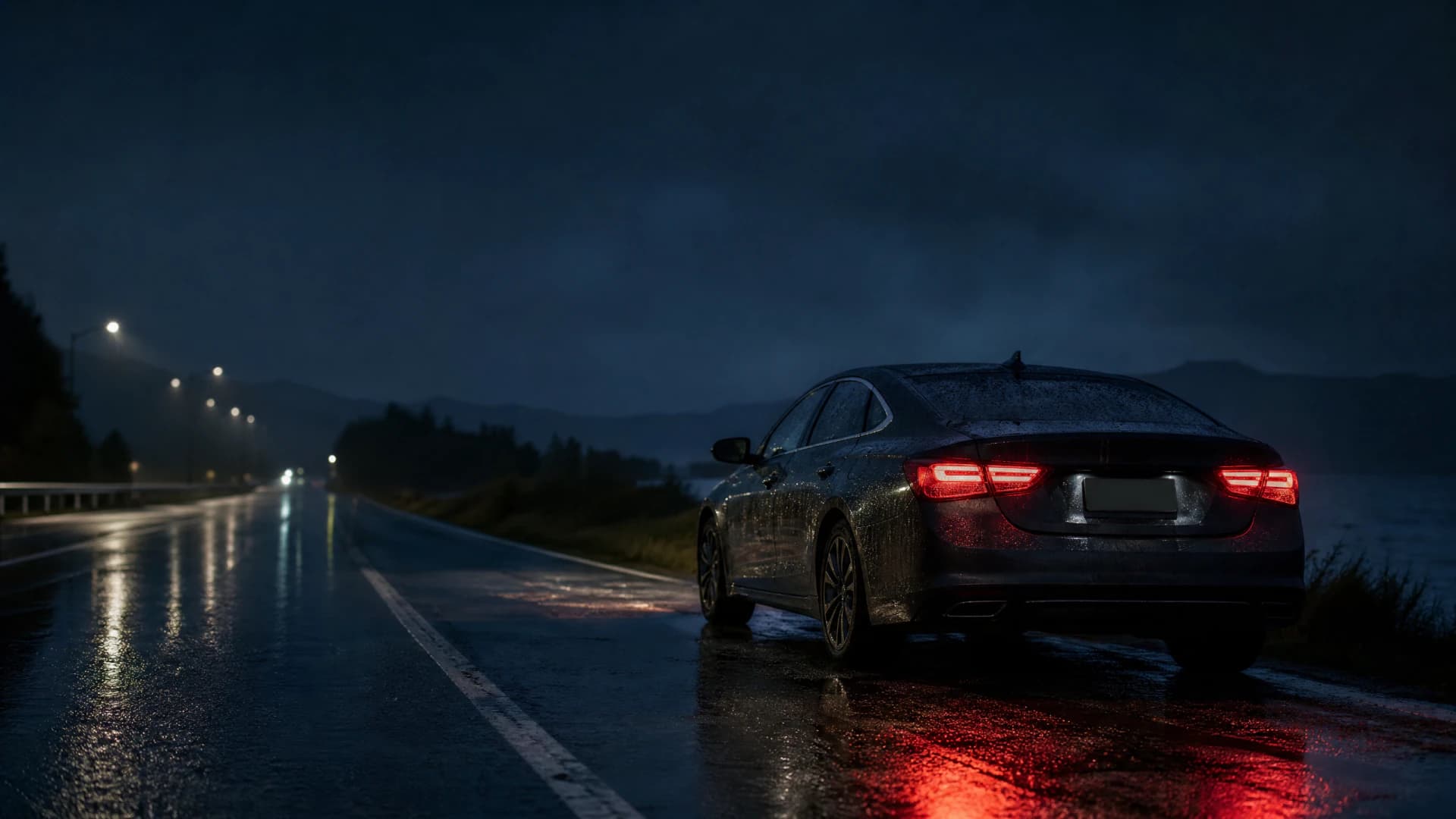
A multi-car household carrying minimum liability on every vehicle is self-insuring the replacement cost of every car in the household simultaneously.






How Multi-Car Households Structure Coverage in Practice
Most multi-car households in Nevada do not carry the same coverage on every vehicle. The typical pattern: full coverage on financed vehicles and newer paid-off vehicles with higher replacement cost, minimum liability on older paid-off vehicles with lower value. The decision point is usually the vehicle's actual cash value relative to the annual collision and comprehensive premium. When the premium approaches 10% of the vehicle's value annually, many households drop collision and comprehensive and self-insure that vehicle.
That math pushes many households toward minimum liability on older cars.
The household-level consideration: when you drop collision and comprehensive on one vehicle, you're accepting that an at-fault total loss of that vehicle means replacing it out of pocket. If it cannot, full coverage remains the better structure even on an older car. The decision is household cash-flow tolerance, not vehicle value alone.
11.1%
Nevada Uninsured Motorist Rate
11.1% of Nevada motorists drive uninsured. When an uninsured driver hits your vehicle, your collision coverage pays to repair your car regardless of fault. Without collision, you pursue the at-fault driver directly — a process that often recovers nothing.
Insurance Research Council, 2023

Collision Coverage and the Uninsured-Driver Reality
Nevada does not require uninsured motorist property damage coverage. When an uninsured driver hits your vehicle, your collision coverage steps in to pay for repairs minus your deductible, regardless of who was at fault. Your carrier pays the claim, then pursues the at-fault driver for reimbursement — a process called subrogation. You get your vehicle repaired without waiting for recovery from someone who may have no assets to collect against.
Without collision coverage, you pursue the at-fault uninsured driver yourself. That means small claims court, a judgment you may never collect, and months or years without compensation while your vehicle sits damaged or totaled. In a state where 11.1% of drivers are uninsured, that's not a remote risk — it's a structural exposure every vehicle on your policy faces every time it's on the road. Collision coverage is the only guaranteed path to a claim payout when an uninsured driver is at fault and hits your car.
How Adding or Dropping Coverage Mid-Term Re-Rates Your Policy
When you add collision and comprehensive to a vehicle mid-term, or drop them from a vehicle mid-term, your carrier re-rates the entire policy effective the date of the change. You do not wait until renewal. The premium adjusts immediately, prorated for the remaining term. If you're adding full coverage to a second vehicle three months into your six-month policy term, the carrier calculates the new premium for all vehicles, applies it for the remaining three months, and bills or credits the difference.
The multi-car implication: changing coverage on one vehicle changes the total household premium, but it does not change coverage on your other vehicles. If you drop collision and comprehensive on your older car to lower your total premium, your newer vehicles retain their full coverage. Each vehicle's coverage is independent. The policy is the container; the coverages attach to individual cars. You control the structure vehicle by vehicle.

Compare Carriers That Write Multi-Car Policies in Nevada
Nevada households insuring multiple vehicles compare carriers that write multi-car policies and offer the coverage flexibility to structure liability, collision, and comprehensive differently across vehicles. Carriers writing in Nevada include State Farm, Geico, Progressive, Allstate, Farmers, USAA, Liberty Mutual, Travelers, Nationwide, American Family, Mercury General, Bristol West, Dairyland, Kemper, Infinity, National General, The General, Root, Country Financial, CSAA, Amica, Hartford, and Shelter. Not every carrier writes every household — some specialize in standard-risk drivers, others in non-standard or high-mileage households.
Request quotes that show the total premium with different coverage structures: all vehicles with full coverage, all vehicles with minimum liability, and a mixed structure with full coverage on newer vehicles and minimum liability on older ones. The quote that fits your household is the one that balances total premium against your cash-flow tolerance for an uninsured vehicle loss. Compare the structure, not just the total price.
What Full Coverage Adds to a Multi-Car Policy
When you add full coverage to a vehicle on your multi-car policy, you're buying claim coverage for that specific vehicle. Collision and comprehensive are per-vehicle coverages — they attach to the car, not to the policy as a whole. If you carry full coverage on two of your three vehicles, those two are covered for their own damage. The third vehicle, with minimum liability only, remains uninsured for its own repair or replacement cost.
The structural advantage: you can mix coverage levels across your household's vehicles. A 2022 financed sedan might carry full coverage because the lender requires it and because the vehicle's value justifies the premium. A 2008 paid-off SUV with 180,000 miles might carry minimum liability only because its replacement value is low enough that self-insuring makes sense.
Get Your Free Quote
Get My Nevada Car Insurance QuoteFrequently Asked Questions
Can I carry full coverage on one vehicle and minimum liability on another in Nevada?
Yes. Collision and comprehensive are per-vehicle coverages. You structure coverage vehicle by vehicle on the same policy. Most multi-car households carry full coverage on financed or newer vehicles and minimum liability on older paid-off cars.
Does Nevada require collision or comprehensive coverage?
No. Nevada requires only liability coverage: $25,000 per person, $50,000 per accident in bodily injury, and $20,000 in property damage. Collision and comprehensive are optional unless your lender requires them.
What happens if an uninsured driver hits my car in Nevada?
If you carry collision coverage, your carrier pays to repair your vehicle minus your deductible, then pursues the at-fault driver. Without collision, you pursue the driver yourself — often recovering nothing. Nevada does not require uninsured motorist property damage coverage.
How do I decide whether to drop collision and comprehensive on an older vehicle?
Calculate the annual collision and comprehensive premium as a percentage of the vehicle's actual cash value. When the premium approaches 10% of the vehicle's value, many households drop coverage and self-insure. Your decision depends on whether your household budget can absorb an unplanned vehicle replacement.
Does adding full coverage to one vehicle change the premium on my other vehicles?
Adding or changing coverage on one vehicle re-rates your entire policy, but it does not change the coverage on your other vehicles. Each vehicle's coverage is independent. The total premium adjusts to reflect the new structure across all cars.