
Nevada Car Insurance Law Coverage Requirements
Free to compare
What Nevada Statute Actually Requires
Nevada law requires every registered vehicle to carry liability insurance with minimum limits of $25,000 per person for bodily injury, $50,000 per accident for bodily injury, and $20,000 per accident for property damage. These three liability components are the only coverages the state mandates by statute. Comprehensive, collision, uninsured motorist, and personal injury protection remain optional under Nevada law, regardless of how many vehicles you insure on one policy.
The confusion arises when you add a second or third vehicle to an existing policy. Many drivers assume that because their first car carries full coverage, every additional vehicle must carry the same suite. That assumption conflates what Nevada law requires with what your lender, lessor, or carrier's underwriting rules require. The state cares only about the liability minimums. Everything else is a contractual obligation between you and another party, not a statutory mandate.
“Nevada requires only liability coverage; comprehensive and collision remain optional unless your lender contractually requires them on a financed vehicle.”

Find Coverage That Keeps You Legal in Nevada
Get My Nevada Car Insurance Quote$25,000 / $50,000 / $20,000
Nevada Liability Minimums
These figures represent bodily injury per person, bodily injury per accident, and property damage per accident. Every registered vehicle in Nevada must carry at least these amounts to satisfy state law, but the state does not mandate any physical-damage or medical-payments coverage beyond this liability floor.
Nevada Revised Statutes 485.185
The Multi-Car Policy Structure and State Law
When you insure two or more vehicles on one policy, Nevada law applies the same liability-minimum requirement to each vehicle individually. A multi-car policy does not aggregate liability limits across vehicles. Each car on the policy must meet the $25,000/$50,000/$20,000 floor independently. Carriers structure multi-car policies to meet this requirement automatically, but the distinction matters when you drop coverage on one vehicle or remove a car mid-term.
The multi-car discount most carriers offer does not change what the state requires. The discount applies to the total premium when you insure multiple vehicles on the same policy, but each vehicle still needs its own liability coverage at or above the statutory minimums. Dropping one vehicle's liability coverage to save money violates state law if that vehicle remains registered and driven in Nevada, even if your other vehicles on the policy carry higher limits.
Carriers writing multi-car policies in Nevada include State Farm, Geico, Progressive, Allstate, Farmers, USAA, Liberty Mutual, Travelers, Mercury General, National General, American Family, and several non-standard carriers such as Bristol West, Dairyland, Infinity, Kemper, and The General. Each carrier's multi-car discount structure and same-policy requirements vary, but all must ensure every vehicle meets Nevada's liability minimums before issuing coverage.
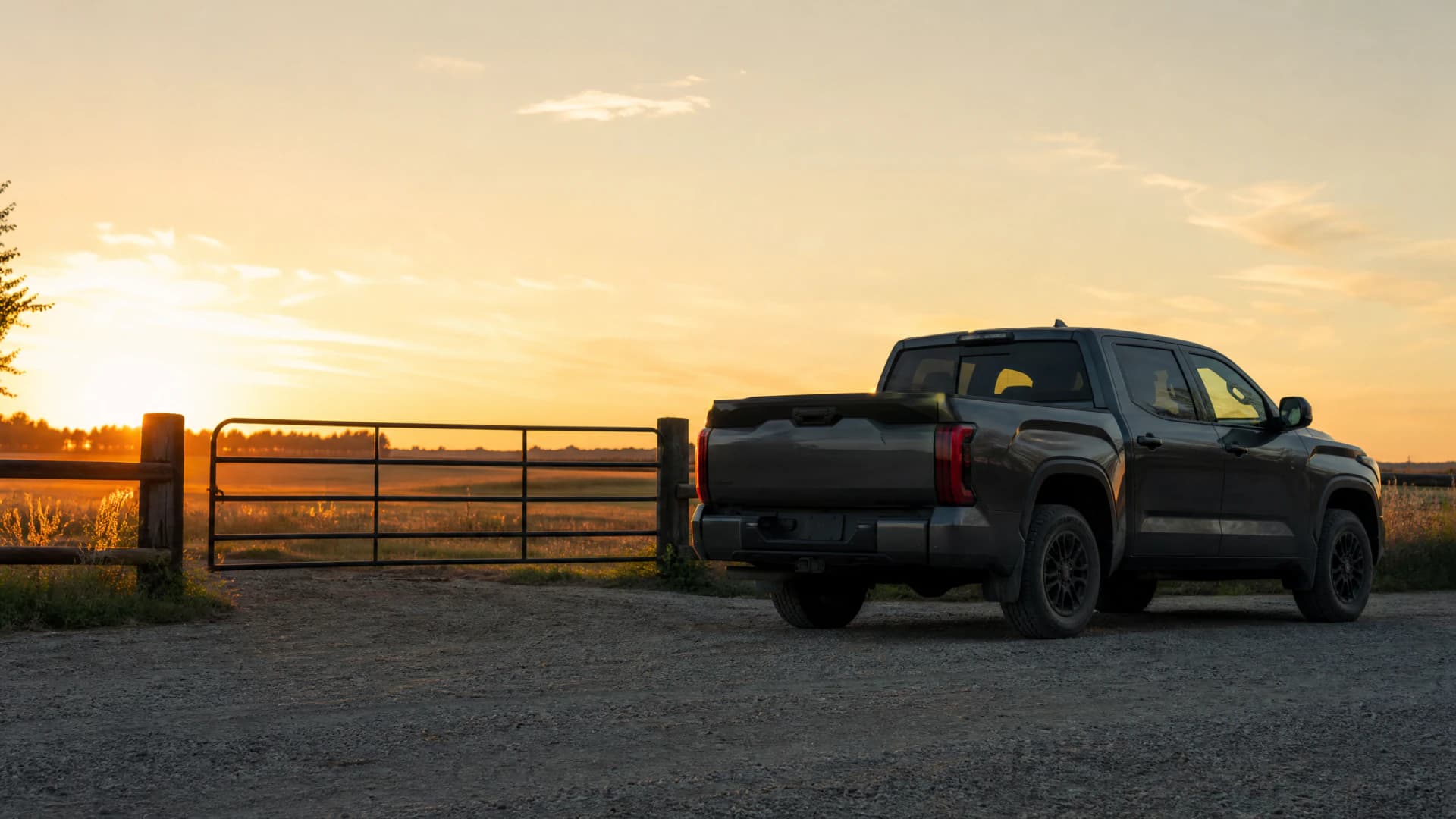
Nevada law requires only liability coverage. Comprehensive and collision are optional unless your lender or lessor contractually requires them on a financed or leased vehicle.






Optional Coverages and Multi-Vehicle Households
Nevada does not mandate uninsured motorist coverage, underinsured motorist coverage, or personal injury protection. Carriers must offer uninsured and underinsured motorist coverage, but you may reject it in writing. Personal injury protection remains entirely optional. These coverages protect you and your passengers when the at-fault driver carries insufficient insurance or when you are injured in a crash regardless of fault. They do not satisfy any state-law requirement, but they fill gaps the liability-only mandate leaves open.
When you structure a multi-car policy, you may select different optional coverages for each vehicle. One car might carry uninsured motorist coverage while another does not. One vehicle might carry comprehensive with a $500 deductible while another carries a $1,000 deductible. Nevada law does not require uniformity across vehicles on the same policy. The only non-negotiable element is that each vehicle meets the liability minimums.
The decision to add optional coverages on a multi-car policy often hinges on the value and use of each vehicle. A daily-driven sedan garaged in a high-theft area might justify comprehensive coverage, while a rarely-driven truck garaged in a rural county might not. A vehicle driven by a teen might justify higher uninsured-motorist limits because teen drivers face higher crash rates and are more likely to encounter uninsured drivers. Nevada law permits this vehicle-by-vehicle customization within a single policy as long as every vehicle meets the liability floor.
11.1%
Nevada Uninsured Motorist Rate
More than one in ten Nevada drivers operates without insurance, according to 2023 data. This rate is above the national average and makes uninsured motorist coverage a practical consideration for multi-vehicle households, even though the state does not mandate it.
Insurance Research Council, 2023

Proof of Insurance and Registration Across Multiple Vehicles
Nevada requires proof of insurance at vehicle registration and renewal. The DMV accepts an insurance identification card, an electronic proof-of-insurance display on your phone, or a certificate from your carrier. When you insure multiple vehicles on one policy, your carrier issues separate insurance cards for each vehicle. Each card lists the specific vehicle identification number, the policy number, and the coverage effective dates. You must carry proof for the specific vehicle you are driving. A card for Vehicle A does not satisfy the proof requirement when you drive Vehicle B, even though both vehicles sit on the same policy.
The DMV cross-references your insurance status electronically through the Nevada LIVE system, which tracks active policies and flags lapses. If your multi-car policy lapses or if you drop one vehicle's coverage without notifying the DMV, the system flags the lapse and the DMV may suspend your registration. A lapse on one vehicle does not automatically suspend the other vehicles on the policy, but it does trigger a registration suspension for the lapsed vehicle and may prompt a broader compliance review.
Compare Carriers and Structure Your Multi-Car Policy
You now understand what Nevada law actually requires: $25,000/$50,000/$20,000 liability minimums on every registered vehicle, with all other coverages optional unless your lender or lessor demands them. The next step is to compare carriers that write multi-car policies in Nevada and structure your coverage to meet both the statutory floor and your household's specific needs. Carriers vary in how they calculate the multi-car discount, how they handle mid-term vehicle additions, and which optional coverages they bundle into their standard offerings. Use the site's comparison tool to see which carriers write your household's vehicles and how each structures coverage across multiple cars on one policy.
What Satisfies the Law Versus What Your Lender Requires
Nevada law requires liability only. If you own a vehicle outright with no lien or lease, you satisfy state law by carrying the $25,000/$50,000/$20,000 liability minimums. You may drop comprehensive and collision without violating any statute. The state does not care whether your car is totaled in a single-vehicle accident or stolen from your driveway. Liability protects others; physical-damage coverage protects you, and Nevada leaves that decision to the vehicle owner.
A lender or lessor, by contrast, requires comprehensive and collision as a condition of the loan or lease agreement. The lender holds a lien on the vehicle and will not release that lien until the loan is paid in full. If you drop physical-damage coverage on a financed vehicle, you breach the loan agreement, and the lender may force-place coverage at a much higher premium or accelerate the loan. This requirement exists independently of state law. When you insure multiple vehicles on one policy and some are financed while others are owned outright, you must carry comprehensive and collision only on the financed vehicles to satisfy the lender. The owned vehicles need only liability to satisfy Nevada law.
Get Your Free Quote
Get My Nevada Car Insurance QuoteFrequently Asked Questions
Does Nevada require comprehensive and collision coverage?
No. Nevada law mandates only liability insurance with minimums of $25,000/$50,000/$20,000. Comprehensive and collision remain optional under state statute. Your lender or lessor may require them as a condition of financing or leasing, but that obligation is contractual, not statutory.
Do I need the same coverage on every vehicle in a multi-car policy?
No. Nevada law requires each vehicle to meet the liability minimums, but you may select different optional coverages and deductibles for each car on the same policy. One vehicle might carry comprehensive while another does not, as long as every vehicle meets the $25,000/$50,000/$20,000 liability floor.
Is uninsured motorist coverage required in Nevada?
No. Nevada does not mandate uninsured or underinsured motorist coverage. Carriers must offer it, but you may reject it in writing. Given that 11.1% of Nevada drivers are uninsured, many multi-vehicle households choose to add this optional coverage despite the lack of a state mandate.
Can I drop coverage on one vehicle in a multi-car policy?
Yes, but only if that vehicle is no longer registered or driven in Nevada. Dropping liability coverage on a registered vehicle violates state law, even if your other vehicles on the policy carry higher limits. You must notify the DMV when you remove a vehicle from registration to avoid a lapse flag.
What happens if I let my multi-car policy lapse?
The Nevada LIVE system flags the lapse and the DMV may suspend your registration for every vehicle on the lapsed policy. A lapse of 91 days or more triggers an SR-22 filing requirement when you reinstate coverage.
Does Nevada require personal injury protection?
No. Nevada does not mandate personal injury protection or any medical-payments coverage. PIP remains entirely optional. You may add it to a multi-car policy to cover medical expenses for you and your passengers regardless of fault, but the state does not require it.