
Cheapest Car Insurance for Clean-Record Drivers — Nevada
Free to compare
Why Your Clean Record Doesn't Guarantee Low Rates
You have never filed a claim, never received a ticket, and you insure two or three vehicles on one Nevada policy. You expect the lowest rates available. Instead, you receive quotes that vary by hundreds of dollars annually for identical coverage across the same household. The confusion is structural: Nevada's 21-carrier roster uses different base-rate methodologies, and a clean record lowers your premium from each carrier's starting point—but those starting points are not the same.
A clean driving record is a discount multiplier, not a flat dollar reduction. If Carrier A starts at a higher base rate than Carrier B, your clean-record discount from Carrier A may still produce a higher final premium than Carrier B's discounted rate. The cheapest multi-car policy for a clean-record household in Nevada comes from comparing actual quoted premiums across multiple carriers, not from assuming the carrier advertising the largest discount percentage delivers the lowest cost.
“A carrier with a lower base rate and smaller discount often beats a higher base rate with an aggressive discount.”

Find Coverage That Keeps You Legal in Nevada
Get My Nevada Car Insurance Quote21 carriers
Nevada Multi-Car Roster
Nevada licenses 21 carriers confirmed to write multi-vehicle policies, including State Farm, Geico, Progressive, Allstate, Farmers, USAA, Travelers, and Mercury General. Each uses proprietary base-rate models, meaning identical households receive different starting premiums before any discount applies.
Nevada Department of Insurance carrier authorization records
How Base Rates Override Discount Percentages
Carriers calculate premiums by applying your household's risk profile—vehicles, garaging ZIP, driver ages, coverage limits—to their base rate, then subtracting discounts. A clean driving record triggers a safe-driver discount, and insuring multiple vehicles on one policy triggers a multi-car discount. Both reduce the base rate by a percentage. The final premium depends on where the base rate started.
A carrier with a lower base rate and a smaller discount often beats a carrier with a higher base rate and a larger discount. If Carrier A's base rate for your household is lower, even a modest discount produces a lower final premium than Carrier B's aggressive discount applied to a higher starting figure. This is why clean-record households in Nevada must compare actual quoted premiums, not advertised discount sizes.
Nevada's minimum liability limits—$25,000 per person, $50,000 per accident for bodily injury, and $20,000 for property damage—set the floor for legal coverage. Most multi-car households carry higher limits or add collision and comprehensive. The base-rate spread widens as coverage increases, making carrier comparison even more critical for households insuring multiple vehicles at full coverage.
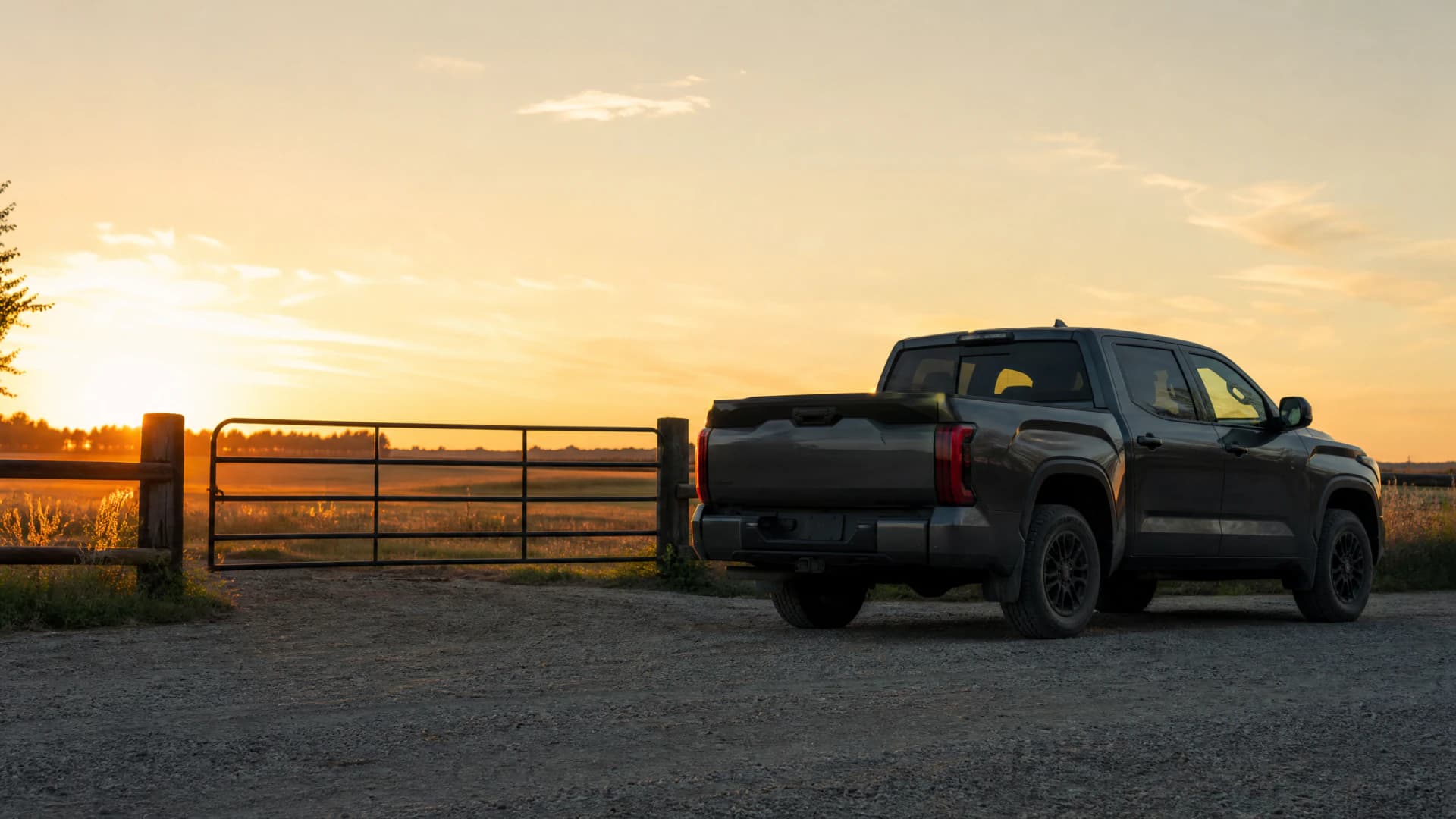
The carrier offering the largest advertised discount rarely delivers the lowest actual premium for Nevada clean-record multi-car households—base rates vary more than discount structures.

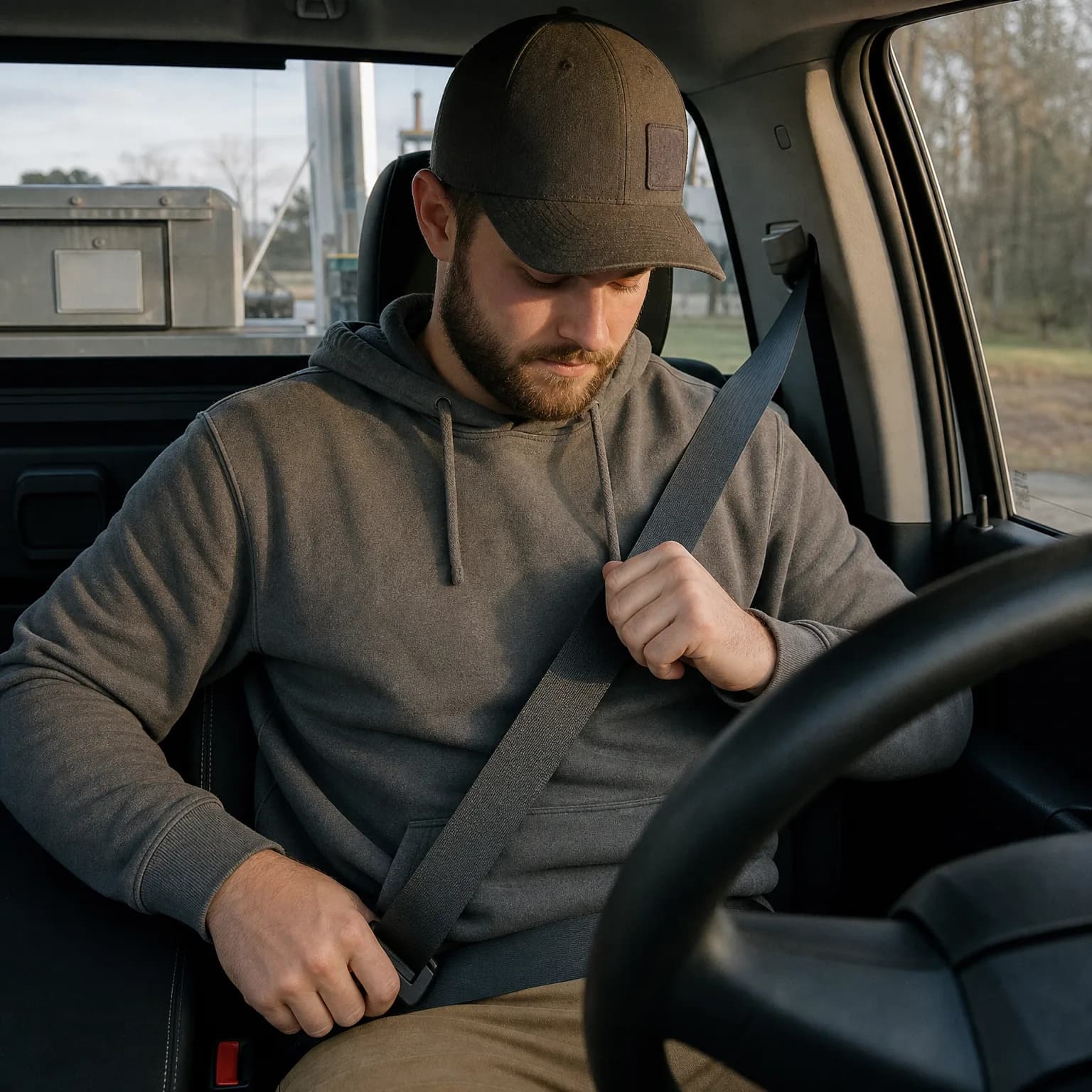





How to Compare Actual Premiums Across Carriers
Request quotes from at least five Nevada-licensed carriers that write multi-vehicle policies. Provide identical household details to each: the same vehicles, the same garaging address, the same drivers, the same coverage limits and deductibles. Quotes that use different coverage specifications cannot be compared accurately. Specify whether you want state minimum liability or full coverage with collision and comprehensive, and confirm that every quote includes the multi-car discount.
Online quoting tools from Geico, Progressive, and State Farm return instant multi-vehicle premiums. Agent-based carriers like Allstate, Farmers, and Travelers require phone or in-person quotes, which take longer but allow you to clarify discount eligibility and ask about bundling options. USAA restricts eligibility to military members, veterans, and their families but consistently offers lower base rates for clean-record multi-car households that qualify.
Compare the total six-month or annual premium for the entire household, not the per-vehicle breakdown. Some carriers front-load the multi-car discount on the first vehicle; others distribute it evenly. The total household premium is the only figure that matters. If one carrier's quote is significantly lower, confirm that it includes the same coverage limits, the same deductibles, and the multi-car discount before committing.
$25,000 / $50,000 / $20,000
Nevada Minimum Liability Limits
Nevada requires $25,000 bodily injury per person, $50,000 per accident, and $20,000 property damage.
Nevada Revised Statutes 485.185

When Bundling Lowers Multi-Car Premiums Further
Bundling auto and home insurance with the same carrier often reduces the combined premium below what you would pay for separate policies. American Family, Nationwide, State Farm, and Allstate offer bundling discounts that stack with multi-car and clean-record reductions. The bundling discount applies to both policies, not just the auto premium, so the total household savings can exceed the standalone multi-car discount.
Not every Nevada household benefits from bundling. If you rent rather than own, or if your home is insured through a mortgage-required carrier, bundling may not be an option. If your homeowners premium is already low, the bundling discount may not offset a higher auto base rate. Compare bundled quotes against standalone auto quotes from multiple carriers to confirm that bundling actually lowers your total cost.
Compare Nevada Carriers That Write Your Household
The cheapest multi-car policy for a Nevada clean-record household comes from the carrier with the lowest base rate for your specific vehicles, ZIP code, and coverage selections. That carrier is not the same for every household. A Las Vegas household insuring two sedans receives different base rates than a Reno household insuring an SUV and a truck, even with identical clean driving records.
Request quotes from State Farm, Geico, Progressive, Allstate, and USAA if you qualify. Add Mercury General if you live in Las Vegas or Reno. Add American Family or Nationwide if you own your home and want to explore bundling. Compare total household premiums with identical coverage limits and confirm that every quote includes the multi-car discount. The lowest quoted premium is the cheapest policy for your household—not the carrier advertising the largest discount percentage.
Which Carriers Write Nevada Multi-Car Policies
State Farm, Geico, Progressive, Allstate, and USAA dominate Nevada's multi-car market. State Farm and USAA typically offer lower base rates for clean-record households but restrict USAA eligibility to military-affiliated families. Geico and Progressive write broader households and offer online quoting tools that return instant multi-vehicle premiums. Allstate, Farmers, Liberty Mutual, and Travelers write Nevada multi-car policies through agent networks, requiring phone or in-person quotes.
Mercury General, American Family, Nationwide, and The Hartford write Nevada multi-car policies with regional pricing models. Mercury General operates in 11 western states and often prices Las Vegas and Reno households differently than rural Nevada ZIPs. American Family and Nationwide offer bundling discounts when you combine auto and home policies. The Hartford specializes in households with drivers over 50 and applies age-based discounts that stack with clean-record and multi-car reductions.
Get Your Free Quote
Get My Nevada Car Insurance QuoteFrequently Asked Questions
Which Nevada carrier offers the cheapest multi-car insurance for clean-record drivers?
No single carrier is cheapest for every Nevada household. State Farm, Geico, Progressive, and USAA typically offer competitive base rates for clean-record multi-car policies, but the lowest premium depends on your vehicles, ZIP code, and coverage limits. Request quotes from at least five carriers and compare total household premiums with identical coverage specifications.
Does a clean driving record guarantee the lowest insurance rates in Nevada?
A clean driving record qualifies you for safe-driver discounts, but it does not guarantee the lowest rates. Carriers use different base-rate models, so your clean-record discount applies to different starting premiums. The cheapest policy comes from the carrier with the lowest base rate for your household, not the largest advertised discount.
How much does the multi-car discount save on Nevada insurance?
The multi-car discount varies by carrier and household. It reduces your base premium when you insure two or more vehicles on one policy, but the final savings depend on the carrier's base rate. A smaller discount on a lower base rate can produce a lower total premium than a larger discount on a higher base rate.
Should I bundle home and auto insurance to lower my Nevada multi-car premium?
Bundling often lowers your combined premium, but not always. American Family, Nationwide, State Farm, and Allstate offer bundling discounts that stack with multi-car and clean-record reductions. Compare bundled quotes against standalone auto quotes from multiple carriers to confirm that bundling actually reduces your total cost.
Can I get an online quote for Nevada multi-car insurance?
Geico, Progressive, and State Farm offer online quoting tools that return instant multi-vehicle premiums. Allstate, Farmers, Travelers, and other agent-based carriers require phone or in-person quotes. USAA offers online quotes but restricts eligibility to military members, veterans, and their families.
What coverage limits should I carry on a Nevada multi-car policy?
Add collision and comprehensive if your vehicles are financed or worth more than a few thousand dollars.