
Minimum Coverage for Multiple Cars — Nevada
Free to compare
The Multi-Car Minimum Coverage Question
You added a second or third vehicle to your Nevada policy, the premium jumped, and now you're weighing whether to keep every car at the state minimum or upgrade liability limits across the household. The question feels straightforward until you realize Nevada's $25,000/$50,000/$20,000 minimums apply per accident, not per vehicle — and a collision that involves two of your cars counts as one accident with one shared $50,000 bodily-injury cap.
This article walks the structural reality of minimum coverage when you insure multiple vehicles on one policy, names the specific exposure gap that appears when per-accident limits stay flat while vehicle count rises, and maps the path to structuring liability that fits a household with two or more cars on Nevada roads.
“A household with three cars on minimum coverage faces the same $50,000 per-accident injury cap as a single-car policy.”

Find Coverage That Keeps You Legal in Nevada
Get My Nevada Car Insurance Quote$50,000
Nevada Per-Accident Bodily Injury Cap
Nevada requires $25,000 per person and $50,000 per accident for bodily injury, plus $20,000 property damage. The per-accident cap applies once per collision regardless of how many vehicles you own or how many are involved.
Nevada DMV financial responsibility requirements
How Per-Accident Limits Work Across Multiple Vehicles
Nevada's liability structure is per person / per accident / property damage. The $25,000 per-person limit caps what the policy pays to any single injured party. The $50,000 per-accident limit caps the total the policy pays for all bodily injuries in one collision. The $20,000 property-damage limit caps what the policy pays for damage to other people's vehicles and property in that same accident.
When you insure three cars on one policy at minimum limits, each vehicle carries the same $25,000/$50,000/$20,000 coverage — but those limits apply per accident, not per vehicle. If two of your household's cars are involved in the same collision, the policy treats it as one accident with one $50,000 bodily-injury cap and one $20,000 property-damage cap shared across both vehicles.
The structural gap: a household with three vehicles faces three times the exposure to at-fault accidents, but the per-accident cap stays flat. Adding vehicles to the policy does not increase the per-accident liability ceiling unless you raise the limits explicitly.
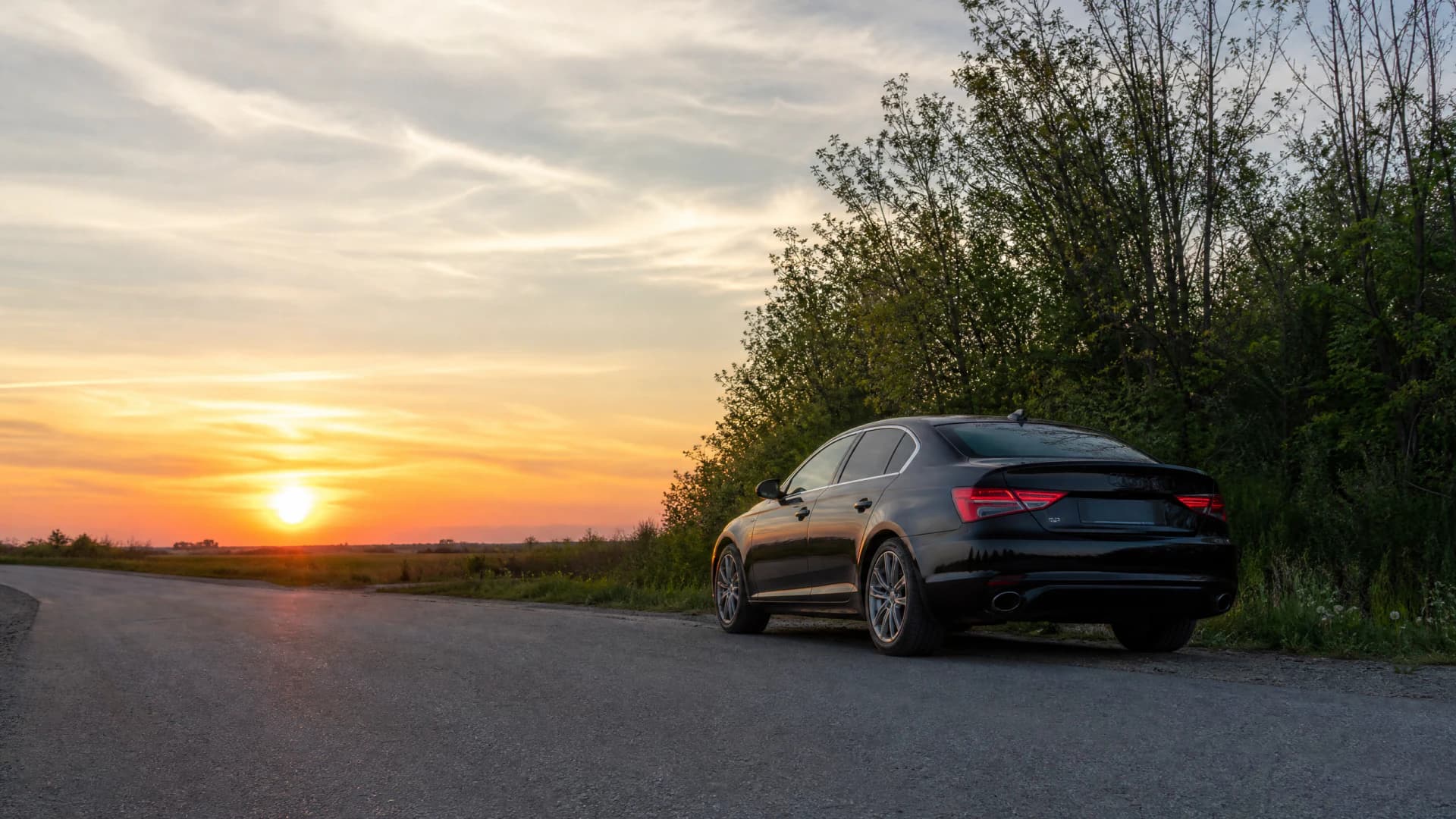
Nevada's per-accident bodily-injury cap applies once per collision, not once per vehicle — a household with three cars on minimum coverage has the same $50,000 total-injury limit as a single-car policy.




Structuring Liability Across Your Household's Vehicles
Start by confirming every vehicle is on the same policy. The multi-car discount requires all household vehicles to sit on one policy, and splitting vehicles across separate policies eliminates the discount and raises your combined premium.
Nevada allows you to raise bodily-injury limits independently of property-damage coverage, but most carriers structure liability as a package. When you request quotes, specify the number of vehicles, the primary drivers for each, and the garaging address — these factors drive the base rate before the multi-car discount applies. Carriers writing multi-vehicle policies in Nevada include State Farm, Geico, Progressive, Allstate, Farmers, and USAA. Each calculates the multi-car discount differently, and the carrier offering the lowest premium at minimum limits may not offer the lowest premium at higher limits.
If one household vehicle is driven rarely — a classic car, a project vehicle, or a car used only for errands — ask whether the carrier offers a low-mileage or pleasure-use discount for that vehicle. Some carriers allow you to structure different liability limits for different vehicles on the same policy, though this is uncommon. Most require uniform limits across all vehicles to maintain the multi-car discount.
11.1%
Nevada Uninsured Motorist Rate
One in nine Nevada drivers carries no insurance. When an uninsured driver causes an accident, your uninsured-motorist coverage pays for injuries to you and your household members — but only if you purchased it, because Nevada does not mandate UM coverage.
Insurance Research Council, 2023
Uninsured Motorist Coverage for Multi-Car Households
Nevada does not require uninsured-motorist coverage, but 11.1% of Nevada drivers carry no insurance. When an uninsured driver causes an accident that injures you or a household member, your own UM coverage pays for medical bills, lost wages, and pain-and-suffering damages up to the UM policy limit you selected. Without UM coverage, you pursue the at-fault driver personally — a process that often recovers nothing.
UM coverage mirrors your liability limits unless you reject it in writing or select a lower limit. For a household with multiple vehicles and multiple drivers on the road daily, UM coverage functions as a second layer of protection when the other driver has no insurance or insufficient limits to cover your household's injuries.
Compare Carriers That Write Multi-Vehicle Policies in Nevada
Request quotes from at least three carriers that write multi-vehicle policies in Nevada. Provide the year, make, and model of each vehicle, the primary driver for each, the annual mileage estimate, and the garaging address. The difference in premium between minimum and mid-tier liability is often smaller than expected once the multi-car discount applies, and the per-accident bodily-injury cap doubles or triples.
Carriers calculate the multi-car discount as a percentage off each vehicle's base premium, so the discount amount varies by vehicle value, driver age, and driving history. A household with three vehicles may see a larger total-dollar discount than a household with two, but the percentage discount per vehicle stays consistent. Compare the total annual premium across all vehicles, not the per-vehicle cost, to identify the lowest combined rate for your household's coverage structure.
When Minimum Limits Fall Short for Multi-Car Households
A collision that injures two people can exhaust the $50,000 per-accident cap quickly. If the at-fault driver's policy pays the per-person maximum of $25,000 to each injured party, the per-accident cap is met at $50,000 total, and any additional injury claims in that same accident fall on the at-fault driver personally.
Households with multiple vehicles face higher statistical exposure: more cars mean more trips, more drivers, and more opportunities for an at-fault accident. When a household member causes a collision while driving one of your insured vehicles, the liability coverage on that policy responds — and if the damages exceed the per-accident cap, your household assets are exposed.
Get Your Free Quote
Get My Nevada Car Insurance QuoteFrequently Asked Questions
Does adding a second vehicle to my Nevada policy double my liability coverage?
No. Nevada's liability limits apply per accident, not per vehicle. Adding a second or third car to your policy does not increase the per-accident bodily-injury cap unless you raise the limits explicitly when you add the vehicle.
Can I carry different liability limits for different vehicles on the same Nevada policy?
Most Nevada carriers require uniform liability limits across all vehicles on a multi-car policy to maintain the multi-car discount. A few carriers allow split limits, but this is uncommon and may eliminate the discount.
What happens if two of my household's cars are involved in the same accident?
The policy treats it as one accident with one per-accident bodily-injury cap and one property-damage cap shared across both vehicles. If you carry $50,000 per-accident bodily-injury coverage, that $50,000 is the total the policy pays for all injuries in that collision, regardless of how many of your vehicles were involved.
Is uninsured motorist coverage required in Nevada?
No. Nevada does not mandate uninsured-motorist coverage, but 11.1% of Nevada drivers carry no insurance. UM coverage pays for your household's injuries when an uninsured driver causes an accident, and it mirrors your liability limits unless you reject it in writing.
How much does it cost to raise liability limits on a multi-car policy in Nevada?
The cost varies by carrier, vehicle count, driver age, and driving history.
Do I need SR-22 filing to insure multiple vehicles in Nevada?
SR-22 is required only after specific violations — a DUI, an at-fault accident without insurance, or a lapse of 91 days or more. If you have not experienced one of those triggers, you do not need SR-22 to insure multiple vehicles.