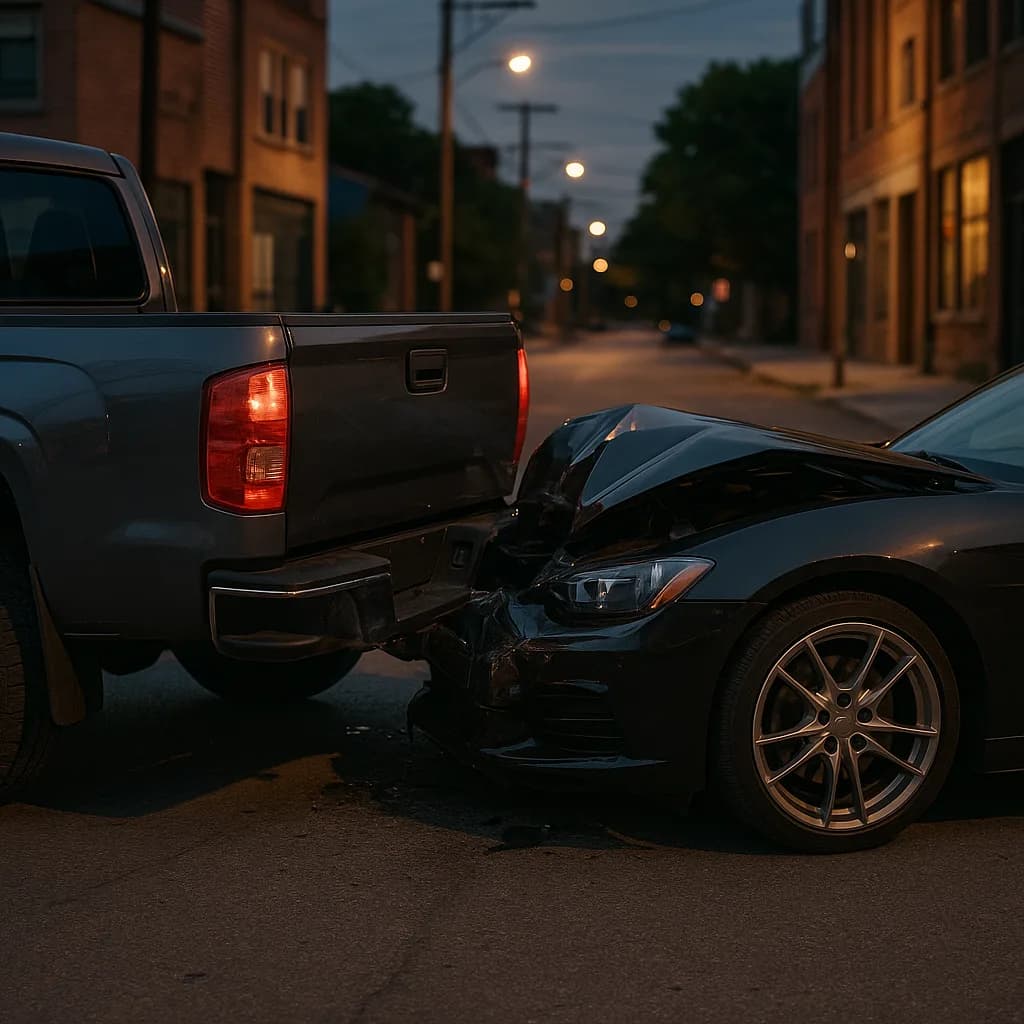
The Multi-Car Collision Question Nevada Households Face
You added a second or third vehicle to your Nevada policy and the carrier quoted collision coverage separately for each car. The premium jumped. Now you're trying to figure out whether you need collision on every vehicle, whether you can drop it from the older car and keep it on the newer one, or whether skipping it entirely makes sense when you're already carrying the state's required $25,000 property damage liability minimum.
The structural reality: Nevada's liability minimums protect other people's property when you cause an accident. They do nothing for your own vehicles. Collision coverage pays to repair or replace your car after a crash regardless of fault—but it's optional, priced per vehicle, and makes financial sense only when the car's value justifies the annual cost and deductible you'd pay at claim time.
Compare car insurance rates in your state
Get quotes from licensed carriers — no obligation, no spam, results in minutes.
Get Your Free QuoteNevada Property Damage Minimum
$25,000
Nevada requires $25,000 in property damage liability per accident under state minimum coverage. That limit covers damage you cause to another driver's vehicle or property—never your own car. Collision coverage is the only product that pays for damage to your vehicle after a crash.
Nevada Revised Statutes 485.185
What Collision Coverage Actually Does on a Multi-Car Policy
Collision coverage is structured per vehicle. When you insure three cars on one Nevada policy, you choose collision independently for each: full collision on car A, collision on car B, none on car C. The carrier prices each vehicle's collision premium based on that car's make, model, year, and repair cost, then applies your chosen deductible—typically $500 or $1,000—to each covered vehicle separately.
At claim time, collision pays the actual cash value of the damaged vehicle minus your deductible, up to the cost of repair. If your car is totaled, you receive the pre-accident market value minus the deductible. The coverage does not transfer between vehicles on your policy. A collision claim on your 2018 sedan does not trigger coverage for your 2012 truck unless that truck also carries collision.
The multi-car discount most Nevada carriers offer applies to your base premium and liability coverage—it does not reduce the per-vehicle collision cost in most cases. Adding collision to a second or third car raises your total policy premium by the full per-vehicle collision amount, minus any small multi-policy adjustment the carrier applies across all optional coverages.
After one total-loss claim, the car is gone and so is the coverage value.
When Collision Makes Sense Per Vehicle
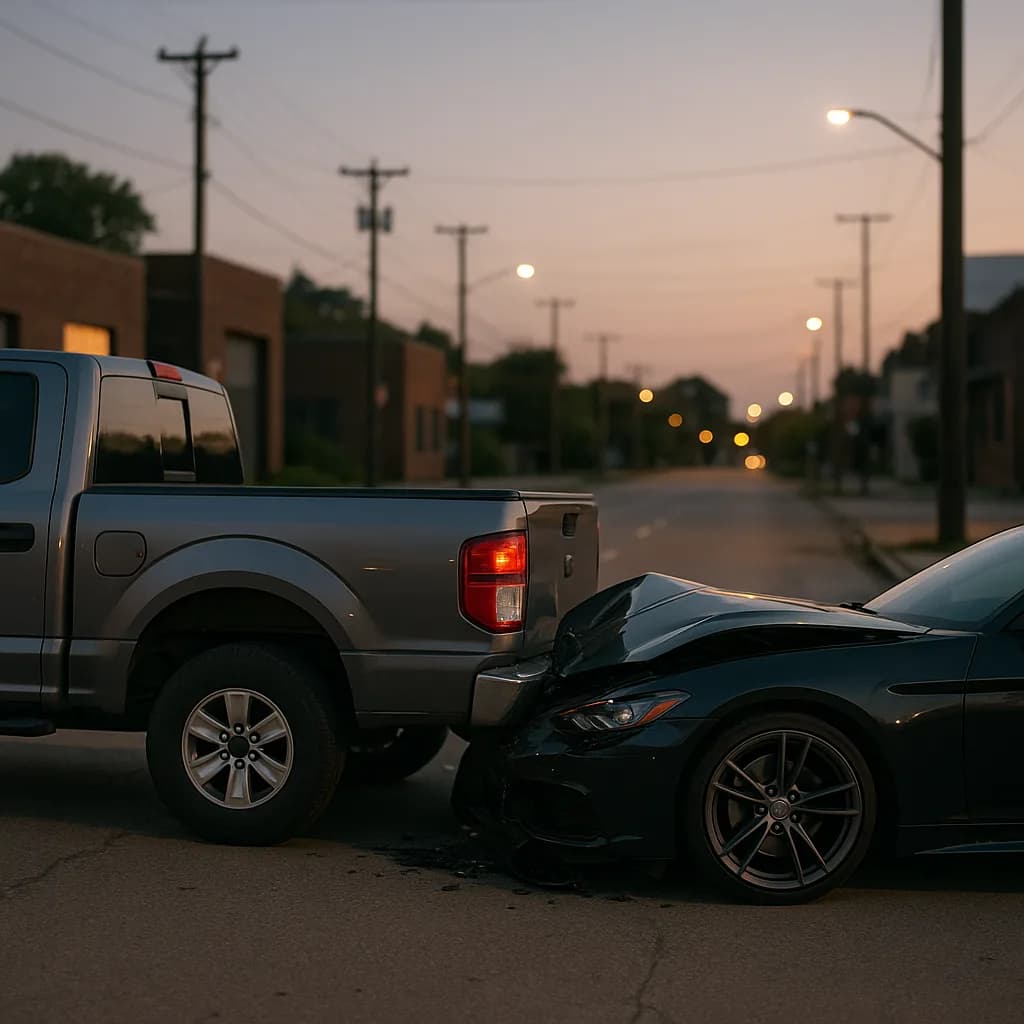
If the car is totaled, collision pays the replacement value minus your deductible. Financed and leased vehicles almost always require collision as a loan condition, so the lender makes this decision for you until the loan is paid off.
For cars in this range, dropping collision and self-insuring the risk saves money over the vehicle's remaining lifespan in most household scenarios.
Related Articles





How Nevada Households Structure Collision Across Multiple Cars
Most Nevada households with two or more vehicles carry collision on financed cars and newer paid-off vehicles, then drop it from older cars once the value falls below the deductible-plus-two-years-premium threshold.
When you drop collision from one vehicle mid-term, the carrier re-rates your policy and issues a prorated refund for the unused portion of that car's collision premium. The liability coverage and multi-car discount remain unchanged. Adding collision back to a vehicle later—if its value climbs or you start driving it more—requires a policy endorsement and raises your premium from that point forward.
Nevada does not mandate collision coverage at any vehicle value. The state requires only liability minimums: $25,000 per person and $50,000 per accident for bodily injury, plus $25,000 property damage. Collision is a financial decision you make per vehicle based on replacement cost, not a legal requirement.
Nevada Uninsured Motorist Rate
11.1%
One in nine Nevada drivers carries no insurance. When an uninsured driver totals your car, your collision coverage pays your vehicle's value minus your deductible regardless of fault. Without collision, you rely on the at-fault driver's property damage liability—which does not exist if they are uninsured.
Insurance Research Council, 2023
Collision and the Uninsured Driver Gap
Nevada's 11.1% uninsured motorist rate creates a structural gap for households that drop collision. When an uninsured driver causes an accident that totals your car, their property damage liability does not exist. Your only recovery path is your own collision coverage or a lawsuit against a driver who likely has no assets. Collision pays your vehicle's actual cash value minus your deductible within days of the claim; a lawsuit takes months or years and often recovers nothing.
Uninsured motorist property damage coverage is not required in Nevada and most carriers do not offer it as a standalone product. The coverage that protects your vehicle when an uninsured driver hits you is collision, not uninsured motorist.
Compare Per-Vehicle Collision Costs Across Nevada Carriers
Collision premiums vary widely by carrier even when the vehicle, deductible, and driver profile stay constant.
When you request quotes for a multi-car policy, ask each carrier to price collision separately for each vehicle so you can compare per-car costs. Some carriers apply their multi-policy discount more aggressively to collision than others. The site's comparison tool lets you model collision on and off for each vehicle and see how total premium changes across Nevada-licensed carriers.