
Uninsured Motorist Coverage — Nevada
Free to compare
When You're Hit by a Driver With No Insurance
You carry Nevada's minimum liability limits — $25,000 per person, $50,000 per accident for bodily injury, $20,000 for property damage — and you're rear-ended at a stoplight by a driver who has no insurance at all. Your liability coverage pays nothing: it protects the other driver when you cause the accident, not you when someone else does. The uninsured driver's assets become your only recovery path, and most drivers who skip insurance lack the assets to pay a claim.
Uninsured motorist coverage (UM) exists to fill this gap. It pays your medical bills, lost wages, and vehicle damage when the at-fault driver carries no insurance. Nevada does not require UM coverage, but carriers must offer it when you buy a policy. The decision to add it or decline it is yours, and the choice depends on how much risk you're willing to carry when 11.1% of Nevada drivers are uninsured.
“Your liability coverage pays nothing for your own injuries when someone else causes the accident — UM fills that gap.”

Find Coverage That Keeps You Legal in Nevada
Get My Nevada Car Insurance Quote11.1%
Nevada Uninsured Motorist Rate
One in nine Nevada drivers operates without insurance. That rate places Nevada slightly above the national average and means every multi-vehicle household faces meaningful exposure to an uninsured at-fault driver over the life of multiple policies.
Insurance Research Council, 2023
What Uninsured Motorist Coverage Actually Pays
Uninsured motorist bodily injury (UMBI) pays your medical expenses, rehabilitation costs, lost income, and pain-and-suffering damages when an uninsured driver injures you. It mirrors liability coverage but runs in reverse: instead of protecting the other driver, it protects you. The limits you select — typically structured as a per-person and per-accident cap, matching liability limit formats — set the maximum your carrier will pay across all injured parties in your vehicle.
Uninsured motorist property damage (UMPD) pays to repair or replace your vehicle when an uninsured driver damages it. Nevada allows carriers to offer UMPD as part of the UM package or as a standalone endorsement. Some policies fold property damage into the UM bodily injury coverage; others require a separate UMPD election. If you carry collision coverage, UMPD becomes redundant for vehicle damage — collision pays regardless of fault — but UMPD typically carries no deductible, while collision does.
Underinsured motorist coverage (UIM) extends the same protection to accidents where the at-fault driver carries liability insurance, but their limits are too low to cover your damages. Nevada does not require UIM, and not all carriers bundle it with UM automatically — confirm whether your UM election includes underinsured protection or requires a separate UIM endorsement.
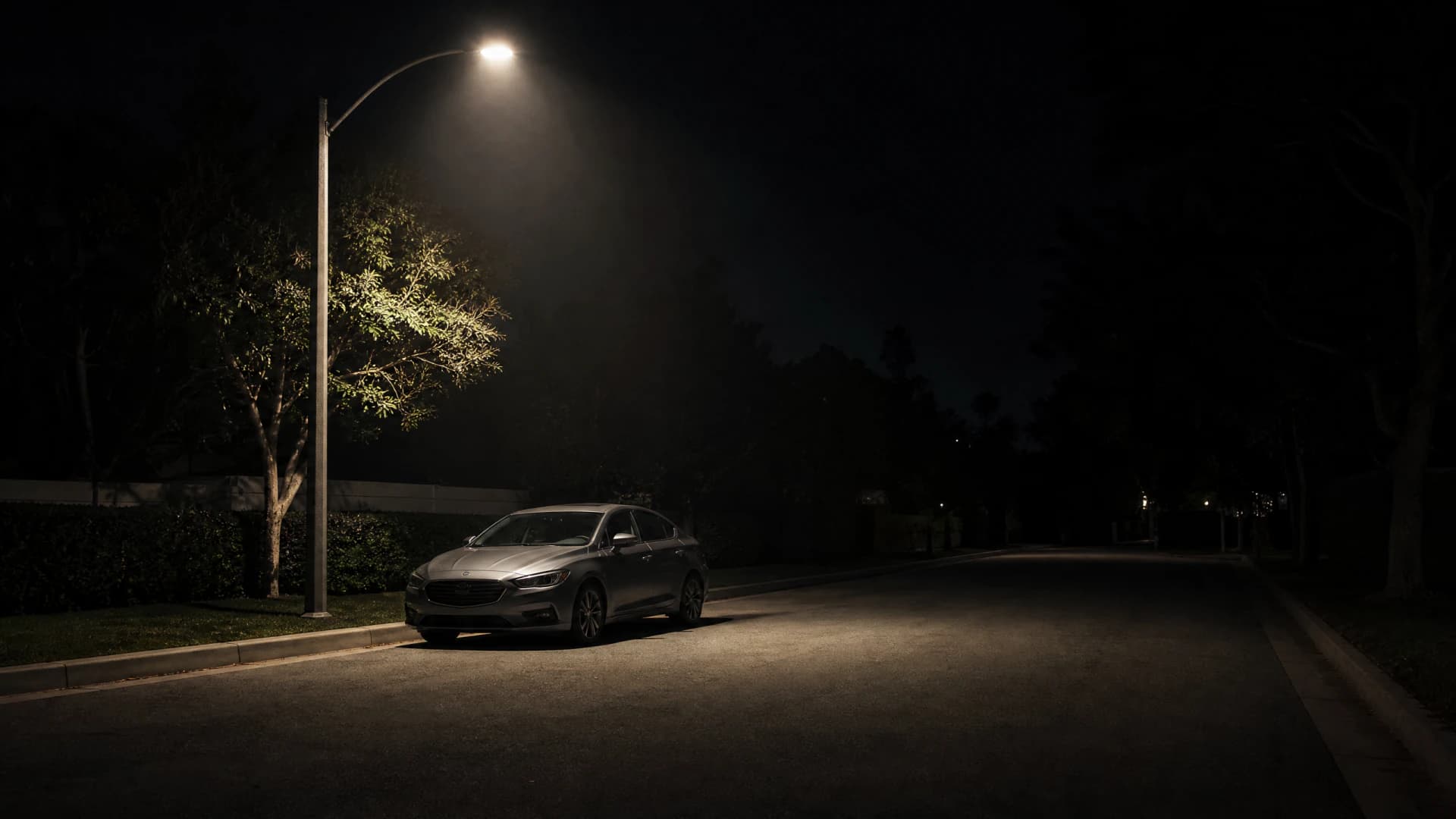
Your liability coverage does not pay your own injuries or vehicle damage when someone else causes the accident. Without UM, you're pursuing the uninsured driver's personal assets.
Related Articles






When Declining UM Coverage Makes Sense
Households with comprehensive health insurance and disability coverage already hold financial protection for medical expenses and lost income, regardless of how the injury occurs. If your health plan pays hospital bills and your employer provides short-term disability, UM bodily injury becomes a secondary layer rather than a primary one. The value calculation shifts: UM still pays pain-and-suffering damages and covers costs your health plan excludes, but the catastrophic-loss protection it offers diminishes when other coverage is already in place.
Drivers who carry collision and comprehensive coverage on every vehicle in the household gain limited additional value from UMPD. Collision pays vehicle damage with a deductible; UMPD pays the same damage without one, but only when the at-fault driver is confirmed uninsured. The deductible savings are real but narrow in scope — most accidents involve insured drivers, and collision handles those. The decision to decline UMPD makes sense when collision is already on the policy and the household prefers to self-insure the deductible rather than pay for redundant property coverage.
Nevada law requires carriers to offer UM coverage when you purchase a policy, but you may decline it in writing. The declination stays on file with the carrier, and you can add UM at any renewal or policy change. Declining UM does not affect your liability, collision, or comprehensive coverage — those remain independent elections. The declination simply confirms you understand the exposure and choose to carry it yourself.
$25,000 / $50,000
Nevada Minimum Liability Limits
Nevada requires $25,000 per person and $50,000 per accident for bodily injury liability, plus $20,000 for property damage. These minimums set the floor for what insured drivers carry, but they also define the gap UM must fill when the at-fault driver is uninsured or underinsured.
Nevada Revised Statutes 485.185

Selecting UM Limits That Match Your Liability Coverage
Most carriers offer UM limits that mirror your liability limits. Matching limits creates symmetry: the protection you extend to others when you cause an accident equals the protection you hold for yourself when someone else does. Selecting lower UM limits than liability limits leaves a gap — you're paying to protect others more than you're protecting yourself.
Higher UM limits cost more, but the incremental difference between minimum and mid-tier limits is often smaller than drivers expect. A household managing multiple vehicles on one policy can request UM quotes at several limit tiers and compare the per-vehicle cost increase.
Adding UM Coverage to Your Nevada Policy
Contact your carrier or agent and request a quote with uninsured motorist bodily injury and property damage coverage added at the limits you select. The carrier will provide a revised premium reflecting the UM addition. If you're comparing carriers, request UM quotes from each — not all carriers price UM identically, and the household that shops multiple quotes often finds meaningful variation in how much UM adds to the total premium.
When you add UM mid-term, the coverage takes effect immediately, and the carrier pro-rates the additional premium for the remainder of the policy period. At renewal, the UM coverage continues automatically unless you request its removal in writing. If you're adding UM to a multi-vehicle policy, confirm whether the UM limits apply per vehicle or per accident — most policies apply UM limits per accident, meaning one accident involving multiple household vehicles draws from a single UM limit pool, not separate limits for each car.
Nevada does not require UM coverage, but every household managing multiple vehicles should evaluate the exposure before declining it. The 11.1% uninsured rate means the risk is not hypothetical, and the cost of adding UM is often lower than the financial exposure an uninsured at-fault driver creates. Compare UM quotes from carriers writing your household's vehicles, confirm whether UIM is included or requires a separate endorsement, and select limits that match or exceed your liability coverage. The decision to add UM is a structural one — it determines whether your policy protects you as thoroughly as it protects others.
How UM Layers With Your Existing Coverage
Liability coverage protects the other driver when you cause the accident. It pays their medical bills, vehicle damage, and legal costs up to your policy limits, but it pays nothing for your own injuries or property. UM coverage inverts that relationship: it pays your costs when the other driver is at fault and uninsured. The two coverages operate in opposite directions and never overlap. A household carrying only liability minimum limits has no financial protection for its own medical expenses or vehicle damage unless it adds UM, collision, or both.
Collision coverage pays to repair your vehicle after an accident regardless of fault, including accidents caused by uninsured drivers. If you carry collision, adding UMPD provides limited additional value — the main benefit is avoiding your collision deductible when the other driver is confirmed uninsured. UMBI, however, remains critical even with collision on the policy: collision repairs your car, but UMBI pays your medical bills, lost income, and injury-related costs that collision never touches. The decision to add UM is primarily a bodily-injury decision, not a property-damage one.
Get Your Free Quote
Get My Nevada Car Insurance QuoteFrequently Asked Questions
Does Nevada require uninsured motorist coverage?
No. Nevada does not mandate UM coverage, but carriers must offer it when you buy a policy. You may decline UM in writing, and the declination stays on file with your carrier. You can add UM at any renewal or policy change.
What does uninsured motorist coverage pay that liability does not?
UM pays your medical bills, lost wages, and vehicle damage when an at-fault driver carries no insurance. Liability coverage pays the other driver's costs when you cause the accident — it does not pay your own. UM inverts that relationship and protects you when the other driver is uninsured.
Do I need UMPD if I already carry collision coverage?
Collision pays vehicle damage regardless of fault, including accidents caused by uninsured drivers, but it requires a deductible. UMPD pays the same damage without a deductible when the at-fault driver is confirmed uninsured. The value of UMPD is narrow when collision is already on the policy — it saves the deductible in uninsured-driver accidents only.
How much does uninsured motorist coverage cost in Nevada?
UM pricing varies by carrier, selected limits, and household driving history. The incremental cost to add UM at limits matching your liability coverage is typically lower than the exposure an uninsured at-fault driver creates. Request UM quotes from multiple carriers to compare — pricing variation across carriers is common.
What is the difference between UM and UIM coverage?
Uninsured motorist (UM) coverage pays when the at-fault driver carries no insurance. Underinsured motorist (UIM) coverage pays when the at-fault driver holds liability insurance, but their limits are too low to cover your damages. Some Nevada carriers bundle UIM with UM; others require a separate UIM endorsement.
Can I add UM coverage to my policy mid-term?
Yes. Contact your carrier or agent to request UM coverage, and the carrier will provide a revised premium. The coverage takes effect immediately, and the carrier pro-rates the additional cost for the remainder of your policy period. At renewal, UM continues automatically unless you decline it in writing.