
Rental Reimbursement Coverage — Nevada
Free to compare
The Backup Vehicle Assumption
You carry collision and comprehensive on both vehicles. One goes to the shop after an accident or breakdown, and the household still has a car to drive. Rental reimbursement coverage seems redundant when a second vehicle sits in the driveway, so you skip it to save the premium add.
That logic holds until both vehicles need repair within the same window, one driver requires both cars for work or caregiving routes that cannot collapse into a single vehicle, or the backup vehicle cannot functionally replace the damaged one. A sedan in the shop and a two-seat sports car in the driveway do not solve a household's transportation need when three people must commute. The structural reality: a multi-car household does not always have a usable backup.
“A second vehicle in the household does not eliminate rental need when repair windows overlap or the backup cannot perform the damaged vehicle's role.”

Find Coverage That Keeps You Legal in Nevada
Get My Nevada Car Insurance Quote2,672,391
Registered Vehicles in Nevada
Nevada households register 2.67 million vehicles across 2.21 million licensed drivers, meaning many households own more than one car. That density increases the probability that repair windows overlap or that vehicle roles do not substitute cleanly.
Nevada DMV, 2022
When Two Cars Still Leave You Without One
The coverage applies after collision, comprehensive, or certain mechanical breakdowns if you carry mechanical breakdown insurance. It does not cover routine maintenance, tire replacement, or non-covered repairs.
A multi-car household loses the backup when both vehicles sustain damage in the same incident—a hailstorm that dents two cars parked in the driveway, a garage fire, or a collision that involves both household vehicles. Overlapping repair windows occur frequently when one car enters the shop for scheduled work and the second suffers an unrelated breakdown or accident before the first returns. A household with one driver and two vehicles rarely needs a rental, but a household with two or three drivers and two vehicles loses transportation capacity the moment one car is unavailable.
Functional substitution fails when the backup vehicle cannot perform the role the damaged vehicle served. A work truck in the shop and a compact sedan in the driveway do not solve a contractor's need to haul tools. A minivan at the body shop and a two-door coupe at home do not transport a family of five to school and work. Vehicle roles within a household are not interchangeable, and rental reimbursement bridges that gap when the backup cannot substitute.
Nevada law does not mandate rental reimbursement coverage. It is an optional add-on to collision or comprehensive. Carriers writing in Nevada—including Geico, Progressive, State Farm, Allstate, Farmers, and others—offer rental reimbursement as a separate line item on the policy declarations page. You select a daily limit and a total claim maximum when you add the coverage.
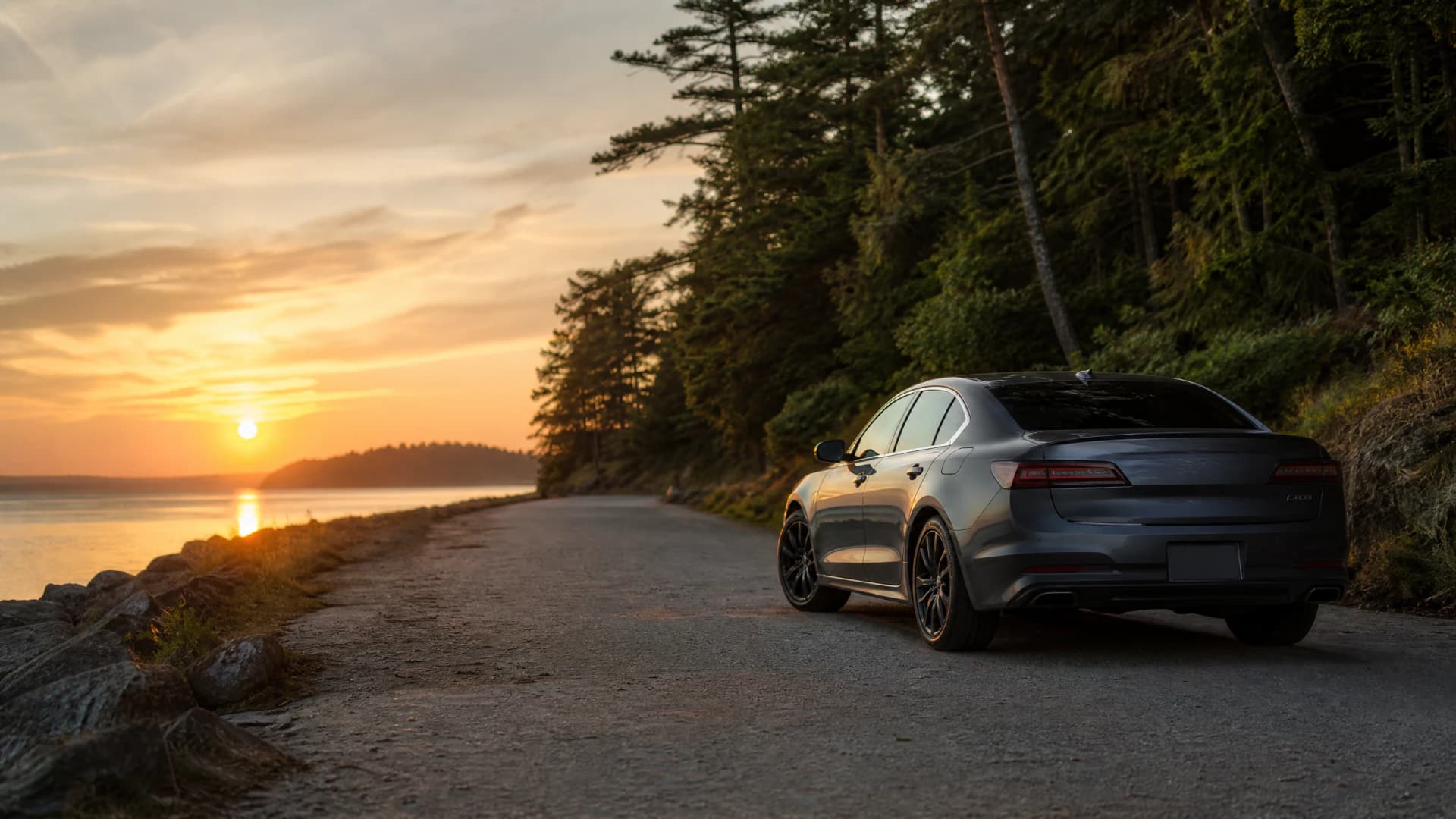
A second vehicle in the household does not eliminate rental need when repair windows overlap, drivers outnumber vehicles, or the backup cannot perform the damaged vehicle's role.
Related Articles





Daily Limits and Total Claim Caps
Rental reimbursement pays up to a daily dollar limit for as many days as the vehicle remains in the shop, capped at a total claim maximum. If repair takes 35 days, the coverage stops at day 30, and you pay out of pocket for the final five days.
Households with two vehicles often select lower daily limits than single-car households because the backup vehicle reduces the urgency of securing a rental immediately.
Repair timelines in Nevada vary by shop capacity and parts availability. A minor collision repair averages 7 to 14 days; a major structural repair or a claim requiring parts shipped from out of state can extend to 30 or 45 days. Rental reimbursement coverage with a 30-day total cap works for most claims, but a household managing two vehicles in the shop simultaneously may exhaust the cap before both repairs complete.
$25,000 / $50,000 / $20,000
Nevada Minimum Liability Limits
Nevada requires $25,000 bodily injury per person, $50,000 per accident, and $20,000 property damage. These minimums apply to every insured vehicle on your policy, but rental reimbursement is optional and purchased separately for each vehicle you want covered.
Nevada Revised Statutes 485.185

Premium Cost and Multi-Car Policy Structure
Rental reimbursement typically adds a modest amount to the six-month premium for each vehicle covered. The cost depends on the daily limit and total cap you select, the vehicle's value and use, and the carrier.
Carriers writing multi-car policies in Nevada—Geico, Progressive, State Farm, Allstate, Farmers, Mercury General, and others—calculate rental reimbursement premiums per vehicle. If you add the coverage to both cars, you pay twice. If you add it to one, you pay once. The structure mirrors collision and comprehensive: each vehicle carries its own coverage elections, and the premium reflects the sum of all endorsements across all vehicles on the policy. Compare the cost of adding rental reimbursement to both vehicles against the probability that you will need it, given your household's vehicle roles and driver count.
When to Add Rental Reimbursement to Multiple Vehicles
Add rental reimbursement to both vehicles when drivers outnumber vehicles, when both vehicles serve non-substitutable roles, or when the household cannot absorb the loss of one vehicle's function even temporarily. A household with two working adults, two vehicles, and overlapping commutes loses transportation capacity the moment one car enters the shop. A household with one primary vehicle and one rarely-driven backup may skip the coverage on the backup and add it only to the primary.
Consider the coverage when you live in an area with limited public transportation, when your work or caregiving schedule requires two vehicles operating simultaneously, or when repair timelines in your area frequently exceed two weeks. Nevada's rural counties and outer suburbs of Las Vegas and Reno often lack transit alternatives, making a rental the only option when a vehicle is down. Urban households with access to rideshare and transit may find the backup vehicle sufficient and skip the rental coverage entirely. The decision hinges on whether losing one vehicle for two weeks disrupts your household's transportation structure, not on whether you own a second car.
Coverage Mechanics for Multiple Vehicles
When you insure two vehicles on one Nevada policy and add rental reimbursement to both, a covered claim on either vehicle triggers the daily rental benefit for that vehicle. The coverage does not stack—if both cars are in the shop simultaneously, you receive one rental reimbursement stream per vehicle, up to each vehicle's daily and total limits.
If you add rental reimbursement to only one of two vehicles, the coverage applies exclusively to that vehicle. The second vehicle carries no rental benefit even if it shares the same policy. This structure makes sense when one vehicle serves as the primary commuter and the other as a true backup, but it leaves a gap when the uncovered vehicle is the one that goes to the shop. Review your policy declarations page to confirm which vehicles carry the endorsement.
Get Your Free Quote
Get My Nevada Car Insurance QuoteFrequently Asked Questions
Does rental reimbursement cover both vehicles if they are in the shop at the same time?
Yes, if you added rental reimbursement to both vehicles on your Nevada policy. Each vehicle's coverage applies independently up to its own daily and total limits. If both cars are down simultaneously due to covered claims, you can claim rental benefits for both, but the payments do not stack into a single larger daily amount—you receive separate reimbursement streams per vehicle.
Can I add rental reimbursement to only one of my two vehicles?
Yes. Rental reimbursement attaches to each vehicle separately. You can elect the coverage for your primary commuter vehicle and skip it on a backup car. The coverage applies only to the vehicle listed on the endorsement, so if the uncovered vehicle goes to the shop, you receive no rental benefit for that claim.
What happens if my rental car costs more per day than my coverage limit?
You pay the difference out of pocket each day. Selecting a higher daily limit when you add the coverage eliminates that gap, but costs more per term.
Does Nevada require rental reimbursement coverage?
No. Nevada law does not mandate rental reimbursement. It is an optional endorsement you add to collision or comprehensive coverage. Carriers writing in Nevada offer it as a separate line item with daily and total claim limits you select when you purchase the policy.
How long does rental reimbursement coverage last during a claim?
Coverage lasts until your vehicle is repaired and drivable, or until you reach the total claim cap, whichever comes first. If repair takes longer, you pay for additional rental days yourself.
Will adding rental reimbursement to two vehicles significantly increase my premium?
The cost depends on the daily limit and total cap you select for each vehicle. Adding the coverage to two vehicles costs more than adding it to one, but the per-vehicle premium for rental reimbursement is typically modest compared to collision or comprehensive. Request a quote from your carrier showing the cost with and without the endorsement on each vehicle.